
5 Best Business Opportunities in Bali: A Guide for Investors

With a record-breaking 7.1 million international arrivals in 2025, Bali has officially moved beyond a simple post-pandemic “recovery” and into a high-growth era. Whether you are looking for long-term rental yields or a creative startup, the “Island of the Gods” offers some of the most lucrative ROI opportunities in Southeast Asia. However, the market is changing. It’s no longer just about “buying a villa”; it’s about building a business that follows the rules and can last. Here are the top business sectors to watch in Bali right now. 1. Property and Real Estate (The Top Performer) Property remains the “gold mine” of Bali. With land scarcity in hotspots like Canggu, Seminyak, and Uluwatu, property values continue to appreciate by 7–12% annually. 2. Experiential Food & Beverage The days of just “opening a kitchen” are over. In 2026, tourists and digital nomads want places that look good in photos and offer healthy, fresh food. 3. Creative Arts & Skill-Based Workshops Travelers now want more hands-on experiences than ever. They don’t just want to buy art; they want to create it themselves. 4. The Wellness & Fitness Boom Bali has become a world-famous place for health and wellness, similar to Los Angeles or Ibiza. This is much more than just massage shops. 5. Ethical Fashion & Handicrafts Bali’s craftspeople are famous worldwide. Starting a fashion brand here lets you use their skills and also sell your products to other countries. How to Start Your Bali Business While there is a lot of opportunity, Indonesia made its rules stricter in 2025 and 2026 to ensure all businesses are legitimate and comply with the law. 1. Market Research & Location Don’t just go where everyone else is going, like Canggu. Check the zoning rules (KKPR) for your land. Is it a “Tourism Zone” (Pink)? If not, you might not be allowed to run a rental business there. 2. Legal Setup (PT PMA) To own and operate a business as a foreigner, you typically need to establish a PT PMA (Foreign Investment Company). Pro Tip: Avoid “nominee” structures where you put a business in a local’s name. They are legally risky and progressively scrutinized by the Indonesian government. Conclusions: Work with a Professional: Starting a business in another country can be legally complicated. To protect your investment, always talk to a trusted business license consultant who knows the rules.
Travel to Bali: The Ultimate Guide for First-Time Visitors
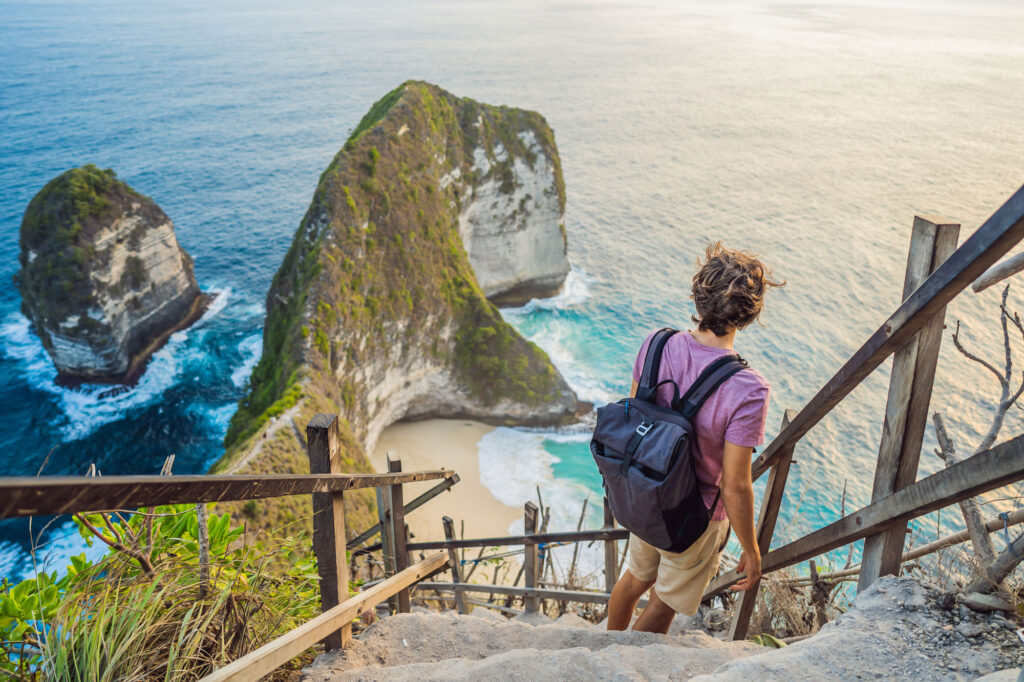
For years, Bali has attracted millions of travelers looking for tropical beauty, culture, and remarkable experiences. From tropical beaches and breathtaking rice fields to firmly established traditions and warm local hospitality, Bali offers a unique experience hard to find anywhere else. It is not surprising that many first-time travelers to Bali end up returning and sometimes even decide to stay longer. If this is your first time planning to travel to Bali, you might have many questions. Where should you stay? When is the best time to visit? Do you need a visa? What should you prepare before arriving? In this ultimate Bali travel guide, we will walk you through everything you need to know before visiting Bali for the first time. Why Travel to Bali? There are many reasons why millions of travelers choose Bali every year.First, Bali offers beautiful beaches and tropical scenery. Whether you enjoy relaxing by the ocean, surfing the waves, or watching sunsets from a cliff, Bali has it all. Areas like Uluwatu, Seminyak, and Canggu are especially popular for their coastal charm. Second, Bali is rich in culture and traditions. Daily offerings, temple ceremonies, and traditional dances are still actively practiced by the local community. This cultural atmosphere makes visiting Bali feel more meaningful, not just like a typical beach holiday. Another reason why many people love traveling to Bali is the affordable luxury. Compared to many Western countries, you can enjoy private villas, spa treatments, and high-quality dining experiences at reasonable prices. Lastly, Bali is known for its friendly locals and English-speaking environment. Communication is generally easy, especially in tourist areas, making first-time visitors feel comfortable and welcome. Best Time to Travel to Bali Bali has two main seasons: the dry and rainy seasons. The dry season runs from April to October. This is generally considered the best time to visit Bali, especially for first-time travelers. The weather is mostly sunny, humidity levels are lower, and outdoor activities such as beach trips, hiking, and island hopping are more enjoyable and comfortable. The rainy season typically occurs from November to March. While there may be occasional heavy rain, it usually does not last all day. In many cases, the rain comes in short bursts, often in the late afternoon or evening. This season can also be less crowded and sometimes more affordable for accommodation. However, in recent years, Bali’s weather has become slightly more unpredictable. You might experience bright sunshine during the day, followed by heavy rain at night. Because of this, it is always a good idea to stay flexible with your plans and be prepared for sudden weather changes, regardless of the season. If you prefer stable sunny weather and a lively atmosphere, the dry season is ideal. If you prefer fewer tourists and better accommodation deals, the rainy season might suit you better. Entry Requirements for Visiting Bali Before you travel to Bali, make sure your passport is valid for at least six months from your arrival date. Most travelers are eligible for an E-VOA (Electronic Visa on Arrival), which allows a 30-day stay and can be extended once for another 30 days. However, please note that not all nationalities are eligible for the e-VOA. Some countries require a different type of visa before arrival. If you are unsure about your eligibility, feel free to contact us for more information. To apply for an e-VOA, you generally need to prepare the following documents: Immigration regulations may change from time to time, so it is always recommended to check the latest requirements before your trip to avoid unexpected issues upon arrival at the airport. Where to Stay in Bali for First-Time Visitors Choosing the right area can make a big difference for your first trip. Seminyak – Stylish and Central Seminyak is known for its beach clubs, stylish restaurants, and sunset spots. It is a great choice if you want to stay somewhere lively but still comfortable. Canggu – Trendy and Social Canggu attracts younger travelers and digital nomads. It is filled with cafes, coworking spaces, and surf spots. The atmosphere is energetic and modern. Ubud – Cultural and Peaceful If you prefer nature and culture, Ubud is the perfect choice. Surrounded by rice fields and temples, Ubud offers a slower and more peaceful experience. Nusa Dua – Relaxed and Resort-Oriented Nusa Dua is cleaner, more organized, and often chosen by families or travelers looking for a calm resort-style stay. Top Things to Do in Bali Visit Iconic Temples like Tanah Lot and Uluwatu Temple Tanah Lot is one of the most photographed temples in Bali. Located on a rock formation by the sea, it becomes especially beautiful during sunset when the sky turns orange and waves crash against the cliffs. Uluwatu Temple sits on a dramatic cliff overlooking the Indian Ocean. Besides the stunning views, visitors can watch the traditional Kecak dance performance in the evening. Just be mindful of the monkeys, as they are known to be quite playful. Explore the Rice Terraces in Ubud Ubud is famous for its lush green landscapes, especially the Tegallalang Rice Terraces. Walking through the rice fields offers a glimpse into Bali’s traditional Subak irrigation system. Beyond the terraces, Ubud also features art markets, yoga studios, and wellness centers that reflect Bali’s cultural side. Chase Waterfalls in North Bali North Bali is home to beautiful waterfalls such as Sekumpul and Gitgit. Reaching them may require a short trek, but the scenery and natural pools are worth the effort. This area is generally less crowded, making it perfect for nature lovers. Try Authentic Balinese Cuisine No trip to Bali is complete without tasting local dishes like Babi Guling, Ayam Betutu, and Nasi Campur. You can enjoy traditional warungs for a local experience or dine at modern restaurants offering contemporary Indonesian cuisine. Take a Day Trip to Nusa Penida Nusa Penida is known for its dramatic cliffs and crystal-clear waters. Kelingking Beach, often called “T-Rex Beach,” is one of Indonesia’s most iconic viewpoints. A day
Visa Options for Former Indonesian Citizens: How to Return and Stay Legally

The Indonesian government has officially responded to the needs of people who have decided to change their citizenship, either by marrying a citizen of another country or by becoming a citizen of another country. To help this growing group, the government introduced a special visa, the Ex-Indonesian Citizen Visa, specifically for them. With this visa, former Indonesian citizens can now return to Indonesia with more confidence and legal safety. This policy shows that Indonesia values its citizens living abroad and provides a clear path for those who want to return to their home country, not just as visitors, but with a safer, more official status. Visa Options For Former Indonesian Citizen (Ex – Indonesian Citizen Visa) The Indonesian government has introduced several visa options for former Indonesian citizens, enabling them to return to and remain in Indonesia legally, with specific privileges. The Ex-Indonesian Citizen Visa provides options tailored to the applicant’s needs and intended length of stay. Visa Options For Ex-Indonesian Citizen: Each category provides flexibility based on the applicant’s background and duration of stay. With these visa options, former Indonesian citizens and their descendants can legally reside in Indonesia for extended periods, provided they meet the required eligibility criteria. Benefits of the Ex-Indonesian Citizen Visa The Visa for Former Indonesian Citizens offers several exclusive benefits that are not available under regular tourist visas. Key benefits include : Through this visa, former Indonesian citizens are given the opportunity to reconnect with their roots, build careers, invest, and contribute to Indonesia’s development across various sectors. How to obtain an Ex-Indonesian Citizen Visa Applying for a Visa for Former Indonesian Citizens involves several important steps to ensure compliance with Indonesian immigration regulations. The general process includes: Professional assistance can help simplify the process and ensure that all documentation is submitted correctly to avoid delays or complications. Common Mistake Ex-Indonesian Citizen Make Despite the availability of a dedicated visa, some former Indonesian citizens still make common mistakes when planning their return to Indonesia. These include: Understanding the correct visa pathway from the beginning can prevent unnecessary delays and legal complications. What Former Indonesian Citizens Should Avoid To maintain legal status in Indonesia, former Indonesian citizens should avoid: Compliance with immigration regulations is essential to ensure a smooth and uninterrupted stay in Indonesia. How Much Does the Ex – Indonesian Citizen Visa Cost? The cost of the Ex-Indonesian Citizen Visa varies depending on the visa category selected. Our service fees are as follows: These fees cover the visa application process and administrative assistance to ensure compliance with Indonesian immigration regulations. Conclusion The introduction of the Visa for Former Indonesian Citizens provides a clear and legal pathway for those who wish to return and stay in Indonesia. With multiple long-term options available, former Indonesian citizens now have greater flexibility and certainty when planning their future in their homeland. Choosing the correct visa category and ensuring full compliance with immigration regulations is essential to avoid unnecessary delays or legal complications. Understanding your eligibility, required documents, and the appropriate visa type will help make the process smoother and more efficient.For professional guidance and reliable assistance with your application, E-Visa Bali is ready to support you throughout the process — ensuring that your return to Indonesia is handled correctly, legally, and with confidence.
Where to Retire in Bali: Finding Your Perfect Peaceful Paradise

Bali has welcomed travelers from around the world for many years, so it’s common to find locals who speak fluent English. Along with the island’s famous hospitality and rich cultural traditions, this makes Bali a comfortable and attractive place for both visitors and people who want to stay longer. People of all ages see Bali as a top travel spot, and many decide to retire there after discovering its special charm. In this article, you’ll find key information about retiring in Bali and tips to help you choose the best place for your lifestyle. Why Bali Is a Popular Retirement Destination Bali continues to attract retirees from around the world for several compelling reasons. The island offers a unique combination of natural beauty, cultural richness, and a comfortable standard of living, making retirement both enjoyable and affordable. One of the main reasons people choose to retire in Bali is the year-round tropical climate. The consistent sunshine and ocean breeze create a relaxed environment that supports a slower and healthier lifestyle. Many retirees find that Bali’s climate helps them stay active and enjoy outdoor activities regularly. Another big reason is that living in Bali costs much less than in many Western countries. Whether it is housing, eating out, or daily spending, Bali lets you choose how much you want to spend. Retirees can live well without the money worries they often have back home. Bali also has large groups of people from other countries and many retirees. In places like Sanur and Ubud, you will find groups that help you make friends, join activities, and get support. Getting medical care is now much easier, with good hospitals and clinics found all over the island. Most importantly, Bali offers a relaxed lifestyle combined with a rich cultural environment. Daily ceremonies, traditional arts, and community values create a peaceful atmosphere that many retirees deeply appreciate. What to Consider Before Choosing Where to Retire in Bali Access to Healthcare Deciding where to retire in Bali is an important choice. It’s essential to pick a place that meets your daily needs, especially when it comes to healthcare. Living near a good hospital can make a big difference. For example, the new Sanur International Hospital follows international standards and has English-speaking doctors, so retirees can feel confident about getting care and communicating easily. Cost of Living The cost of living is another key thing to consider. Living expenses vary from one part of Bali to another. If you like eating at beachfront restaurants every day, you will spend more each month. On the other hand, eating at local spots, shopping at supermarkets, and cooking at home can help you save money. Bali gives you the freedom to choose a lifestyle that fits your budget. Community and Social Life Having a supportive community is essential for retirees living abroad. Expat communities provide social interaction, shared activities, and emotional support. Many areas in Bali host regular gatherings, wellness classes, hobby groups, and social events. Being surrounded by people with similar lifestyles helps retirees adjust more comfortably and avoid feelings of isolation. Infrastructure and Accessibility Good infrastructure makes daily life easier. Bali’s Ngurah Rai International Airport connects the island to many major cities around the world. In most popular residential areas, you can easily find supermarkets, pharmacies, banks, and other public facilities. You can also use the Metro Dewata bus service to travel around Bali comfortably by waiting at designated bus stops. Road conditions vary depending on the region, but major areas are well connected and continue to improve each year. Lifestyle Preference (Quiet vs Active Areas) Every retire has a different lifestyle preference. Some prefer a quiet and peaceful environment, while others enjoy a more active and social atmosphere. For example, Canggu is currently dominated by younger crowds and remote workers. The area is filled with trendy cafes, coworking spaces, and lifestyle destinations that support a dynamic environment. While exciting, it may not suit retirees who are looking for a slower pace. Understanding your personal preference is key to choosing the right area. Best Places to Retire in Bali Sanur – Calm, Established, and Expat-Friendly Sanur is, in our opinion, the number one choice for retirees. The area is highly supportive of retirement living. It offers easy access to international-standard healthcare, a wide range of restaurants, supermarkets, and a beachfront that is very expat-friendly. The calm atmosphere, flat walking paths along the beach, and established community make Sanur a top retirement destination in Bali. Ubud – Nature, Culture, and Tranquility Ubud offers a greener and more tranquil environment. It attracts not only senior expatriates but also younger individuals who seek a balanced and peaceful lifestyle close to nature. Surrounded by rice fields and wellness centers, Ubud promotes slow living and mindfulness. It is perfect for retirees who enjoy culture, yoga, and a strong connection with nature. Nusa Dua – Secure and Well-Organized Nusa Dua is a well-planned area designed specifically for tourism. As a result, infrastructure is organized, clean, and secure. Roads are well maintained, and access to facilities is convenient. This area is ideal for retirees who prefer a structured, orderly environment with high standards of maintenance. Uluwatu – Scenic and Peaceful Cliffside Living Uluwatu offers stunning ocean views and a more private atmosphere. The area is quieter compared to central Bali, making it suitable for retirees who value privacy and breathtaking natural scenery. Cliffside living combined with a peaceful environment creates a truly relaxing retirement experience. Cost of Retiring in Bali Retiring in Bali can be affordable depending on your lifestyle. However, one of the official requirements for staying in Bali under a retirement visa is proof of income or allowance of at least US$3,000 per month. Here is a general overview of living costs: With proper financial planning, retirees can enjoy a comfortable life in Bali. Visa Requirements for Retiring in Bali Having the correct visa is essential for retiring in Bali legally. There are two main visa options available for retirees: the Retirement
Bali Visas for Digital Nomads: Understanding the Right Visa Options

Bali has long been considered a paradise for Remote Workers. It is common to see people working on their laptops for hours in coworking spaces, restaurants, and coffee shops across the island. In the digital era, remote workers from around the world search for the ideal place to work while enjoying the local vibe. With its unique culture, beautiful landscapes, and supportive remote-work ecosystem, Bali has become an especially attractive choice. However, living and working as a digital nomad in Bali requires more than just choosing the right location. Understanding the available Bali visas for digital nomads is essential to ensure your stay remains legal and compliant with Indonesian immigration regulations. Visa Options for Digital Nomads in Bali (Digital Nomad Visa) The Indonesian government has recognized the rapid growth of Remote Workers as a global phenomenon. In response, a visa specifically designed for Remote Workers has been introduced. The Digital Nomad Visa, officially known as the E33G visa, is issued by the Indonesian government for foreign nationals who wish to live in Indonesia while working remotely for overseas companies or clients. This visa is designed for location-independent professionals who earn income outside Indonesia and want to legally stay in Bali. Features of the E33G Digital Nomad Visa: As part of the official Bali visas for digital nomads, the E33G visa offers flexibility, legal certainty, and long-term comfort for remote workers choosing Bali as their base. How to Apply for a Bali Visa Applying for the right Bali visa begins with understanding your work arrangement and length of stay. Remote Workers should first determine whether their activities qualify under a tourism visa or require a dedicated digital nomad visa. In general, the process includes: Professional assistance can help simplify the process and reduce the risk of mistakes. Common Mistake Digital Nomads Despite the availability of a dedicated Digital Nomad Visa, many remote workers still choose to enter Bali using the e-VOA (Electronic Visa on Arrival). In practice, the e-VOA is the easiest visa to obtain for those traveling to Indonesia. It allows a stay of 30 days and can be extended once, for a total stay of up to 60 days. For remote workers who plan a short visit while continuing to work for overseas companies, the e-VOA can be a practical option. However, the main limitation of the e-VOA is its short duration and single-entry status. Once the visa expires, visitors are required to leave Indonesia, and re-entry requires a new application. This can be inconvenient for those planning a longer stay. In contrast, the E33G Remote Worker Visa offers a more stable long-term solution. It allows eligible digital nomads to stay in Indonesia for up to one year and provides multiple-entry benefits, making it significantly more suitable for remote professionals who plan to base themselves in Bali for an extended period. What Digital Nomads Should Avoid Living and working remotely in Bali requires more than just choosing the right visa. Remote Workers should also be aware of common practices that may create legal or immigration issues during their stay. Remote Workers should avoid: Failing to comply with immigration rules can lead to serious consequences, including fines, visa cancellation, or restrictions on future entry to Indonesia. Understanding what to avoid is just as important as choosing the right visa. How Much Digital Nomad Visa Cost The cost of applying for a Digital Nomad Visa (E33G visa) can vary depending on the application process and services included. For our service, the total cost for the Digital Nomad Visa (E33G) is IDR 12,750,000. This fee covers the visa application process and related administrative assistance to help ensure your application is handled correctly and in compliance with Indonesian immigration regulations. Conclusion Bali offers an attractive lifestyle for Remote Workers, but choosing the right visa is crucial. Although the e-VOA offers convenience for temporary stays, remote professionals who intend to base themselves in Bali for an extended period may find its short validity and re-entry limitations less ideal.For those seeking a legal and compliant solution, the E33G Digital Nomad Visa is the most appropriate option among available Bali visas for digital nomads. Understanding your visa options will help ensure a smooth, legal, and stress-free digital nomad experience in Bali.
