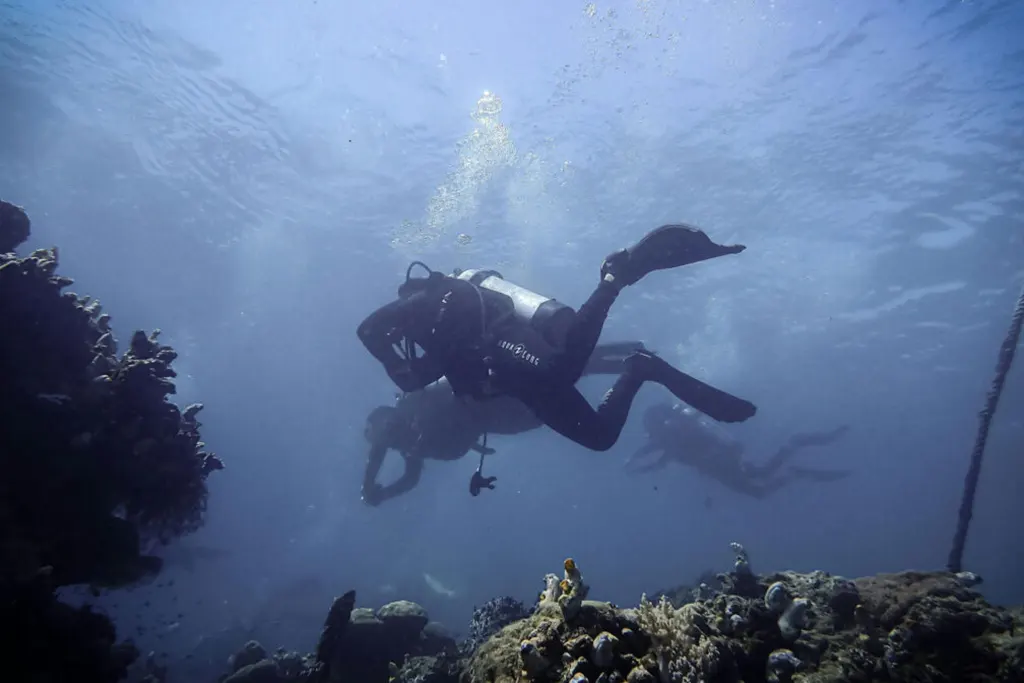
Bali has become one of the world’s most popular destinations for diving enthusiasts. From crystal-clear waters and colorful coral reefs to famous dive spots such as Nusa Penida and Tulamben, the island attracts thousands of foreigners every year who want to experience diving in Indonesia.
Many visitors come not only for short diving trips, but also to join diving courses, certifications, and professional dive training programs that can last for weeks or even months.
However, before flying to Bali for a diving course, there are several important things you should understand—especially regarding visas, stay duration, and legal requirements during your time in Indonesia.
Why Bali Is One of the Best Places to Learn Diving
Bali offers a unique combination of affordable diving courses, experienced instructors, and world-class dive locations.
Some reasons why many foreigners choose Bali for diving courses include:
- Warm tropical waters year-round
- Internationally recognized diving schools
- Various certification programs from beginner to professional level
- Affordable training costs compared to many other countries
- Access to famous dive spots around Bali and nearby islands
Whether you are a beginner or planning to become a professional diver, Bali offers many options for different experience levels.
Best Diving Areas in Bali
Bali offers many diving locations suitable for different skill levels and interests.
Some of the most popular diving areas include:
- Nusa Penida
Famous for manta rays, crystal-clear water, and dramatic underwater scenery. This area is especially popular among experienced divers. - Tulamben
Home to the iconic USAT Liberty shipwreck, one of Bali’s most famous dive sites. It is suitable for both beginners and advanced divers. - Amed
Known for its calm waters and relaxed atmosphere, making it ideal for beginner divers and training courses. - Menjangan Island
Located in West Bali, this area is known for beautiful coral reefs and excellent underwater visibility.
Each diving area offers a different experience, which is why many divers choose to explore multiple locations during their stay in Bali.
Choosing the Right Visa for a Diving Course in Bali
One of the most overlooked aspects when planning a diving course in Bali is choosing the correct visa.
Many foreigners assume that all short-term stays can simply use a tourist visa. While this may work for short recreational trips, longer courses or structured training programs may require more attention to your visa type and stay duration.
The right visa often depends on:
- How long you plan to stay
- Whether the course is short-term or intensive
- The activities included in the program
Understanding your visa options before arriving in Indonesia can help you avoid unnecessary problems later.
What Visa Is Suitable for a Diving Course in Bali?
The most suitable visa depends on the duration and structure of your diving program in Bali.
For short recreational trips, some foreigners may enter Indonesia using a VOA (Visa on Arrival) or C1 Visa if the stay duration is relatively short.
However, for foreigners joining longer diving programs, certifications, or structured training courses, a Short Course Visa may be a more suitable option depending on the nature of the program and length of stay.
Choosing the correct visa is important to ensure your activities in Indonesia remain compliant with immigration regulations while avoiding unnecessary issues during your course.
Because every situation can be different, it is always recommended to understand the most appropriate visa pathway before arriving in Bali.
How Long Will You Stay in Bali?
This is an important question because many diving courses are longer than people initially expect.
Some examples:
- Beginner certifications may only take a few days
- Divemaster or professional programs can last several weeks or months
- Some students continue extending their stay after completing the course
Because of this, many visitors eventually need to extend their visa while already in Bali.
Planning your stay duration carefully from the beginning can save time, money, and stress.
What Should You Prepare Before Coming to Bali?
Before starting your diving course in Bali, it is important to prepare several things in advance.
Some important preparations include:
- Choosing a certified diving school
- Checking your passport and visa validity
- Preparing travel or health insurance
- Bringing appropriate swimwear and personal equipment
- Ensuring you are physically fit for diving activities
Some diving schools may also require basic medical information before starting certain certification programs.
Preparing properly before arriving in Bali can help make your diving experience smoother and more enjoyable.
Common Mistakes Foreigners Make
Many foreigners planning diving courses in Bali make simple mistakes that later create visa or immigration issues.
Common mistakes include:
- Choosing a visa with insufficient stay duration
- Waiting too long before extending a visa
- Assuming visa extensions are instant
- Not understanding visa limitations
In some cases, people become so focused on their diving schedule that they forget to monitor their visa expiry date.
Why You Should Plan Your Visa Early
Visa planning is just as important as choosing the right diving school.
Applying for the correct visa early helps:
- Avoid overstay penalties
- Prevent interruptions during your course
- Reduce unnecessary stress during your stay
- Ensure your activities remain compliant with Indonesian regulations
This becomes especially important for foreigners joining longer diving programs in Bali.
Can You Stay in Bali After Your Diving Course?
Yes—many foreigners who initially come to Bali for a diving course eventually decide to stay longer.
After completing their course, some people continue traveling around Indonesia, while others choose to enjoy Bali’s lifestyle, remote-working environment, or wellness communities for an extended period.
Because of this, it is common for visitors to:
- Extend their current visa
- Explore long-term stay options in Bali
However, it is important to ensure that your visa remains valid and suitable for your activities in Indonesia.
Planning your visa properly from the beginning can make it much easier if you later decide to stay in Bali longer than originally planned.
Bali Is More Than Just Diving
Many people arrive in Bali for a diving course and end up staying much longer than expected.
The island offers:
- International communities
- Remote-working lifestyle opportunities
- Wellness and fitness culture
- Beaches, nature, and tropical living
It is common for visitors to extend their stay after discovering the lifestyle Bali has to offer.
Conclusion
Planning a diving course in Bali can be an incredible experience, but proper preparation is essential before you fly.
Besides choosing the right diving school and accommodation, understanding your visa options and stay duration is equally important to ensure a smooth and stress-free experience in Indonesia.
Whether you are visiting Bali for a short diving certification or a long-term professional program, E-Visa Bali is ready to help you choose the right visa and manage your stay properly—so you can fully focus on enjoying your diving journey in Bali.