A Complete Guide on Getting a Bali Visa from Australia
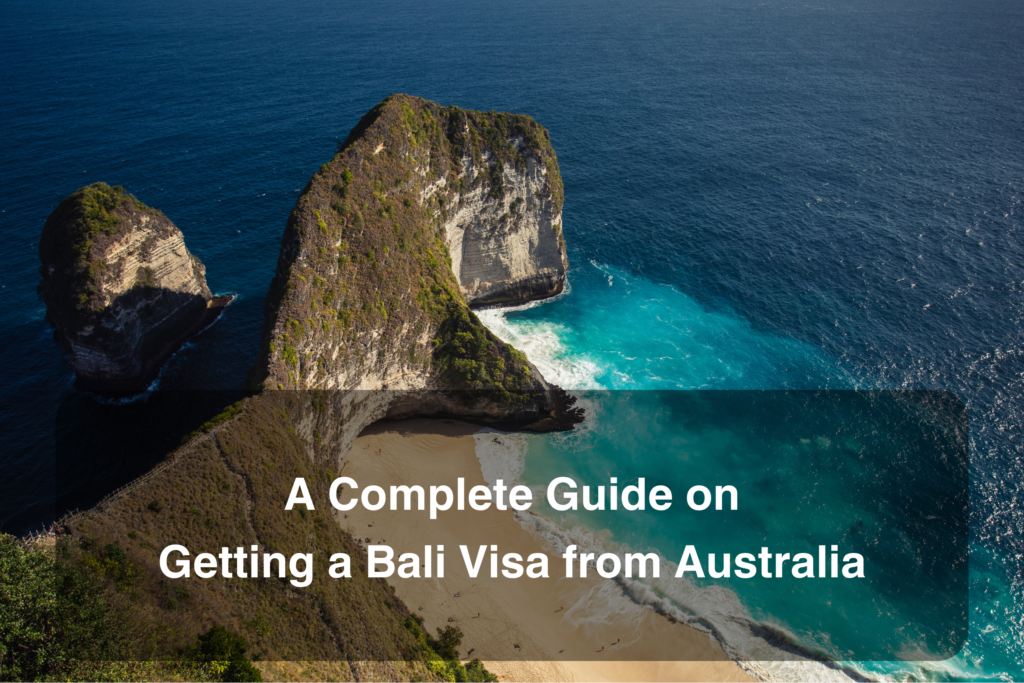
Bali is a popular destination for Australians, offering stunning beaches, rich culture, and a short flight from Australia. If you’re planning a trip to this Indonesian paradise, understanding the visa requirements is crucial. This guide will help you navigate the process of obtaining a Bali visa from Australia. Types of Visas for Bali Visa on Arrival (VoA) Australians can obtain a Visa on Arrival (VoA) when they arrive in Bali. This visa is valid for 30 days and can be extended once for an additional 30 days. To be eligible, you need a passport valid for at least six months from your date of entry, a return or onward flight ticket, and USD 35 for the visa fee. This option provides flexibility and convenience for short-term visitors who decide to extend their stay once they are in Bali. Electronic Visa on Arrival (e-VOA) The e-VoA offers the same benefits as the regular VoA but allows you to apply online before your trip, saving time at the airport. To apply, visit the official Indonesian immigration website, fill out the online application form, upload required documents (passport copy and flight details), and pay the visa fee online. This method ensures a smoother entry process upon arrival and can be particularly useful during peak travel seasons when airport lines can be long. Tourist Visa (211A) For stays longer than 60 days, you can apply for a 211A Tourist Visa. This visa allows a 60-day stay and can be extended twice, each for an additional 60 days. To apply, gather required documents (passport, proof of funds, return ticket, and accommodation details), submit your application through the Indonesian embassy or consulate in Australia, and pay the applicable visa fee. This visa is ideal for those planning extended visits or multiple stays in Indonesia. Multiple Entry Visa Service For frequent travellers, E-Visa Bali offers a Multiple Entry Visa service, allowing multiple entries into Indonesia over a one-year period. This visa is ideal for business professionals and tourists who need the flexibility of travelling in and out of Bali. The application process involves submitting necessary documents such as a valid passport, proof of funds, and a travel itinerary. This visa streamlines travel logistics, ensuring you can focus on your business or leisure activities without frequent visa applications. Detailed Steps on How to Get a Visa for Bali from Australia Applying for a Visa on Arrival To apply for a Visa on Arrival, ensure you have a passport valid for at least six months, a return or onward ticket, and USD 35. Upon arrival at Bali’s Ngurah Rai International Airport, proceed to the Visa on Arrival counter. Submit your documents, pay the fee, and receive your visa stamp. This process is straightforward and convenient for travellers who prefer to handle their visa upon arrival rather than in advance. Applying for an Electronic Visa on Arrival To apply for an e-VOA, visit the Indonesian immigration website and fill out the online form. Upload a copy of your passport, flight details, and pay the visa fee online. Typically, the e-VOA is processed within a few days. Print out the approval and present it upon arrival in Bali. This option reduces wait times at the airport and provides peace of mind knowing your visa is pre-approved before departure. Applying for a Tourist Visa (211A) For a 211A Tourist Visa, prepare your passport, a recent bank statement showing sufficient funds, a return flight ticket, and accommodation details. Submit your application through the Indonesian embassy or consulate in Australia, ensuring all documents are accurate and complete. Processing times can vary, so apply well in advance. Fees also vary, so check the latest rates on the embassy’s website. This visa is suitable for longer stays and offers flexibility with multiple extensions. Important Considerations Passport Validity When planning your trip to Bali, ensure your passport is valid for at least six months from your date of entry. This requirement is strictly enforced by Indonesian immigration authorities and is crucial for visa approval. Proof of Funds You may be required to demonstrate proof of sufficient funds to cover your stay in Bali. Typically, this involves providing a recent bank statement showing a minimum balance of USD 2,000 or equivalent. This proof helps assure authorities that you can support yourself during your visit. Travel Insurance Having comprehensive travel insurance is highly recommended when visiting Bali. The insurance should cover medical expenses, trip cancellations, and emergencies. This not only provides peace of mind but also ensures financial protection in case of unforeseen events during your trip. Common Questions and Answers Can I Extend My Visa While in Bali? Yes, both the Visa on Arrival and the Tourist Visa (211A) can be extended. The VoA can be extended once for 30 days, while the 211A can be extended twice, each for 60 days. Visit a local immigration office to process extensions. What Happens If I Overstay My Visa? Overstaying your visa in Bali can result in fines and potential deportation. The fine is typically IDR 1,000,000 per day. Ensure you extend your visa if you plan to stay longer than initially permitted. Are There Any Health Requirements or Vaccinations Needed for Bali? Currently, there are no mandatory vaccinations for entering Bali. However, it is advisable to check for any updates before your trip. Additionally, consider vaccinations for hepatitis A, typhoid, and other travel-related diseases. Final Thoughts and Next Steps Understanding the visa requirements and ensuring all documents are in order will make your trip to Bali hassle-free. Applying for a visa ahead of time, whether it’s a Visa on Arrival, an e-VOA, or a Tourist Visa (211A), ensures a smooth entry into Indonesia. For a seamless visa application experience, consider using E-Visa Bali’s services. Visit E-Visa Bali to start your application process today. Enjoy your adventure in Bali!
Bali Tourist Visa for Indians: All You Need to Know
Visa Requirements for Indians Bali, a tropical paradise known for its vibrant culture, beautiful beaches, and lush landscapes, is a favourite destination for travellers worldwide, including many from India. This guide will help you understand everything you need to know about obtaining a Bali tourist visa as an Indian citizen. Short Stay: Up to 30 Days If you’re planning a trip to Bali for up to 30 days, Indian citizens need to obtain a Bali tourist visa for Indians. You can either apply for an e-VOA (Electronic Visa on Arrival) before travelling or get a VOA (Visa on Arrival) at the airport. This visa is valid for 30 days and can be extended once for an additional 30 days. For longer stays, up to 60 days, you can apply for a 211A Tourist Visa. So, ensure your documents are ready and enjoy your Bali adventure without any visa hassles. Bali Visa on Arrival for Indians For those considering a stay of up to 30 days but prefer a more formal visa, the Visa on Arrival (VoA) is an excellent option. Perfect option if you’re planning to explore Bali a bit longer and want the flexibility to extend your stay. The process is straightforward: Upon Arrival: At the airport, you will need to fill out a form and pay a fee of approximately USD 35. It’s a good idea to carry this amount in cash. Documents Required: Ensure you have a passport valid for at least six months from your date of entry, a return or onward ticket, proof of accommodation, and sufficient funds (about USD 100 per day). Longer Stays: Up to 60 Days If you’re planning to stay in Bali for more than 30 days, consider applying for a 211A Visit Visa before your trip. This visa allows a 60-day stay and can be extended twice, each time for an additional 60 days, giving you ample time to immerse yourself in the Balinese culture. Single Entry Tourist Visa Service by E-Visa Bali To make your travel experience smooth and hassle-free, we offer a Single Entry 211A Tourist Visa service. Designed for travelers who plan to stay in Bali for up to 60 days and want to ensure all their paperwork is in order before they leave. Eligibility To apply for a Single Entry 211A Tourist Visa through E-Visa Bali, you need to meet the following criteria: Hold a valid Indian passport. Provide proof of sufficient funds. Have a return or onward ticket. Application Process The application process with E-Visa Bali is simple and efficient: Fill Out the Application: Start by filling out the online application form on the E-Visa Bali website. Submit Required Documents: You will need to submit a copy of your passport, recent passport-sized photographs, and your travel itinerary. Pay the Visa Fee: The fee for the Single Entry Tourist Visa is IDR 3,250,000 (approximately USD 208). Payment can be made online. Documents Required When applying for a Single Entry 211A Tourist Visa, ensure you have the following documents ready: Passport: Must be valid for at least six months from your date of entry into Bali. Bank Statement: Proof of sufficient funds, typically a balance of USD 2,000 or equivalent over the last three months. Photographs: Recent passport-sized photos with a coloured background. Accommodation Details: The address of where you will be staying in Indonesia. Flight Ticket: Proof of return or onward travel. For those travelling with children, additional documents are required: Birth Certificate: For children under 18. Marriage Certificate: If applicable. Pricing and Processing Time The cost for the Single-Entry Tourist Visa service is IDR 3,250,000 (± USD 208). The processing time typically takes between 7 to 12 working days. Applying in advance is recommended to avoid any last-minute issues. Travel Insurance While not always mandatory, it is highly recommended to have comprehensive travel insurance when visiting Bali. This insurance should cover medical expenses, trip cancellations, and emergencies during your stay. Having travel insurance ensures peace of mind and financial protection in case of unexpected events. Preparing Bali Tourist Visa for Indian Before you embark on your journey to Bali, make sure you have all the necessary documents and understand the local customs and regulations. This preparation will help you avoid any unexpected issues and ensure a smooth and enjoyable trip. Packing Essentials Clothing: Light, breathable clothing for the tropical climate, but also consider modest attire for visiting temples. Footwear: Comfortable walking shoes and sandals. Sunscreen and Insect Repellent: Essential for protection against the tropical sun and insects. Travel Adapter: Ensure you have the correct adapter for charging your devices. Local Customs Bali is known for its rich cultural heritage, and it’s important to respect local customs and traditions. When visiting temples, dress modestly and remove your shoes before entering. Always ask for permission before taking photos of people, especially during religious ceremonies. Next Steps on Your Bali Tourist Visa for Indian Understanding the visa requirements and ensuring all your documents are in order will make your trip to Bali hassle-free. For a seamless visa application experience, consider using E-Visa Bali’s Single Entry Tourist Visa service. Apply for your visa today and get ready for an unforgettable adventure in Bali! Visit E-Visa Bali to start your application process now.
Do Australians Need Visa for Bali? Everything You Need to Know

If you’re planning a trip to Bali, one of the first questions you might have been: do Australians need a visa for Bali? Here’s a comprehensive guide to help Australian travelers navigate the visa requirements for entering this beautiful Indonesian island. Visa Requirements for Australians Short Stay: Up to 30 Days For Australians visiting Bali for up to 30 days, you do not need to apply for a visa beforehand. Upon arrival, you can obtain a Visa on Arrival (VOA), which is valid for 30 days. Here’s what you need to know: Passport Validity: Your passport must be valid for at least six months from the date of entry. Return Ticket: You must have a return or onward flight ticket. VOA Fee: The Visa on Arrival costs USD 35, which can be paid in Indonesian Rupiah (IDR), USD, or by credit card (Invest in Asia) (Bali Traveller). Extending Your Stay: Up to 60 Days If you wish to stay longer than 30 days, you can extend your VOA extensions for an additional 30 days: Visa Extension Process: You need to apply for the extension before your initial 30-day period expires. This can be done at local immigration offices in Bali. The process typically involves multiple visits to the immigration office. Hiring an Agent: To avoid long queues and multiple visits, you can hire a visa agent to handle the extension process. This option is more expensive but can save you time. Longer Stays: More than 60 Days For stays longer than 60 days, you will need to apply for a different type of visa, such as the 211A Visa, which allows for a 60-day stay and can be extended twice, each for an additional 60 days. This visa is suitable for tourism purposes, business Travellers, and those who plan to stay longer in Indonesia. Important Considerations Damaged Passports Ensure your passport is in good condition without any significant wear and tear or damage. Indonesian immigration authorities may deny entry if your passport is damaged. Travel Insurance It is highly recommended to have comprehensive travel insurance when visiting Bali. This can cover medical emergencies, trip cancellations, and other unforeseen events. Indonesian Immigration Website For the most current and detailed information, always check the Indonesian immigration website or consult the nearest Indonesian embassy or consulate before travelling. This ensures you have the latest updates on visa requirements and entry regulations. Arriving in Bali Upon arrival at Bali’s Ngurah Rai International Airport, follow the signs to the arrivals hall, where you can process your Visa on Arrival. Make sure to have your documents ready and be prepared for possible health checks or other entry procedures that might be in place. E-Visa Bali – Single Entry Tourist Visa Service For those planning a longer stay or seeking a hassle-free travel experience, the Single Entry Tourist Visa is the solution. Eligibility To apply for a Single Entry Tourist Visa, you must meet specific eligibility criteria: Hold a valid Australian passport. Provide proof of sufficient funds for your stay. Have a return or onward ticket. Documents Required When applying for a Single Entry Tourist Visa, you need to prepare the following documents: Passport: Must have a minimum of six months validity. Personal Bank Statement: Showing a minimum balance of USD 2,000 or equivalent over the last three months. Recent Photograph: A passport-style photo with a coloured background (red, white, or blue). Accommodation Address: The address of where you will be staying in Indonesia. Flight Ticket: Proof of your return or onward flight. For those travelling with children, additional documents are required: Birth Certificate: For children under 18 years old. Marriage Certificate: If applicable. Application Process The application process is straightforward: Step 1: Fill out the online application form on the E-Visa Bali website. Step 2: Submit the required documents, including your passport copy, recent photograph, and travel itinerary. Step 3: Pay the visa fee online. Processing Time The processing time for the Single Entry Tourist Visa is generally between 5 to 7 business days. It is advisable to apply well in advance of your travel dates to avoid any last-minute issues. Price The cost for the Single Entry Tourist Visa service is IDR 3,250,000 (± USD 208). This fee covers the processing and handling of your visa application. Conclusions Understanding the visa requirements and ensuring all your documents are in order will make your trip to Bali smooth and enjoyable.
Bali Maritime Tourism Hub: The Basic Concept and the Future Potential

You probably have heard about the development project of Bali maritime tourism hub (BMTH) that almost reaches its final point. The idea of transforming Benoa Harbor into a super hub is meant to boost tourism. The government wants to improve the quality of national tourism while focusing on maritime tourism sector at the same time. So, how is the BMTH crucial for the overall tourism and economy of the country? The Concept of Bali Maritime Tourism Hub What’s the purpose of BMTH and its construction? And why should it be done in Benoa? You see, Benoa has become one of the most popular tourist objects in the island. It’s especially true for the maritime sector, where the place gets around 3,000 passengers from 100 call per year. It’s only logical that the government believes that constructing BMTH would increase its popularity, attracting more people from all over the world. The government also believes that the hub would have a crucial role in the local economic system. That’s why they make it a pilot project, which will be an exemplary work (and also inspiration) for similar projects in the future. Government even plans on doing the same thing to other areas having the same promising potential, especially for cruise tourism. Not only BMTH comes with tourism zone, but it will also have fishing zone, yacht terminal zone, bulk water zone, and crate zone. The government will build these zones gradually, so it won’t happen altogether in one time. Moreover, Benoa Harbor coexisting BMTH id believed to accommodate the needs of water transportation while supporting maritime tourism at once, especially in Benoa, Bali. As a super hub, BMTH will be the perfect (and also the biggest) docking spot for the yachts – at least in Indonesia. The place currently can only accommodate yachts with 280 meters of length. But once the hub is constructed, it would be able to accommodate yachts up to 350 meters of length. Such a length is similar to those ships that can accommodate 6,000 passengers. About Maritime Tourism in Bali Bali already has its own maritime tourism currently, but it’s not as big and expansive as the BMTH project. You can find cruise travel in Bali, but so far, it focuses only on fast boats as the main transportation mode. With BMTH, cruise travel can be viewed as a memorable and one-of-a-kind experience, not merely a way to move from one place to another. Instead of focusing only functional aspect of sailing transportation, the government wants to make it experiential and unique. The government views Benoa Harbor as a perfect spot because it is within the Butterfly Route, or a unique cruising route in Indonesia. In BMTH project, there would be Benoa Cruise Terminal, where bigger yachts can dock. Hopefully, it will grow and become Asia’s biggest docking area. The Expected Plan and Growth The government wants Benoa Cruise Terminal to become the center of their maritime tourism, especially in Bali. That’s why the further development includes yacht club, yacht marine, water sports facility, and also a theme park. Think of it as a maritime complex where you can find various types of entertainment and enjoyment in a spot. To support the plan, it’s only reasonable that the government supports the crucial functional resources, so major cruise port can run smoothly and well. It means that there would be a direct access to LNG (Liquefied Natural Gas) terminals, units for dry and wet berth, and also liquid cargo storage. The Cruise Terminal won’t be the only one that becomes the center of the project. There would also be Bali Fish Market, an area that can benefit the local people and their businesses. This area can provide an access and also an opportunity for small, micro, and also medium businesses to run their business. It also means available opportunities and work for a lot of people. Read more article 10 New Bali: Explore Indonesia’s Hidden Gems Business Opportunities Does it mean that foreigners can participate in the project? It’s not a solid plan for now, but there is always an open slot of investors, including foreign investments. Any foreigners want to have a piece of the cake need to understand the legal requirements, and they definitely need to have the proper legal documents. Conclusion BMTH project seems promising, especially for future investment. But then again, you need to have all the legalities ready and prepared. If you are overwhelmed and you need assistance with the documentation, you can always ask for some help from us Bali Visa Agent. They are a legitimate service that can help you with the entire arrangement. Check them at. If you want to take part in Bali Maritime Tourism hub project, you can probably ask them too.
Work in Bali: How to Obtain the Opportunity

A lot of people think (and even believe) that it would be an impossible feat to work in Bali, especially for foreigners. With local people dominating the job sector and being the host in their own island, most people think that job opportunities for foreigners would be slim. However, there are actually some sectors that are available for foreigners. It’s true that it can be a challenge for foreigners to get a job in Bali, but it doesn’t mean that it’s impossible. If you know which market is open and accessible, and you have prepared the steps to achieve your goals, the possibility to work in this island of the Gods is open wide. Work in Bali: Making Your Initial Decision As mentioned before, getting a job in Bali may be challenging and rather difficult when you are a foreigner. But then again, it depends on your preparation. A lot of foreigners tend to underestimate this factor. They mostly think that they can always land a job once they are in Bali, so they come unprepared. When they find out that it’s not as easy as they have thought, they only have regrets. And whether they like it or not, they must fly back to their home country, not getting a job at all. If you want to work in the island, it’s crucial to perform your own research. You see, not all foreigners are able to get job in Bali, but there are some certain sectors that need those ‘foreign skills’. Being an English teacher (or teacher of any foreign language, of some sort) can be your option. Other options may include hotel or resort manager, marketing, diving instructor, or chef. Why Bali? Another factor that you need to consider about working in Bali is whether you want to stay there for goods or just temporary. If you only want to spend a while in the island, then you want to take a look at those specialized jobs. However, if you are thinking about retiring in Bali, you may want to consider starting a business there. It’s true that you may need bigger investment to start a business there, but it’s for long-term scope. Not to mention that you have your own business, meaning that not only you become your own boss, but you can also provide jobs for other people. Think about how many locals you can employ or even other foreigner fellows you can ask to join. Legal Documents Let’s not forget that you are a foreigner in Bali, which means that you need to make yourself legal. Acquiring a working permit or a business permit (for those who want to start their own business) would be super imperative. Basically, you want to have a KITAS, a type of permit for limited stay. If you are thinking about living or staying in Bali, then you need to have KITAP, a permanent staying permit. You also need to have a working permit (or known as IMTA). If you are a performer (such as a DJ), then you should own an artist working permit. Make sure that you have done a thorough research about this, including what types of requirements needed to have those documents, how much you will have to spend, how long the process takes, and such thing alike. Read more article Exploring the Lucrative Investment Opportunities in Bali Obeying the Rules and Regulations Despite the promising potential of working in Bali, some foreigner have done abhorrent things that make them deported and banned from entering Bali again. In the old days, regulations weren’t as strict as today. Foreigners and tourists were given a lot of slacks to stay and even work in Bali. But then, some of them started to abuse their stay. Not only they extend their stay illegally, but they also set up shops also in illegal ways. The others aren’t being respectful or polite. There have been news about them desecrating sacred grounds, violating the laws, and others. These have caused Balinese government to even take stricter steps and measurements to deal with them. One of the recent strict regulations is the issuing of behavioral guidelines that are given to tourists arriving in Bali. The guidelines consist of the do and don’ts during their stay. Don’t be surprised or alarmed if you happen to get one of these guidelines when you arrive in Bali. The lastly, E-Visa Makes it Easy to Work in Bali Working in Bali may be a dream come true for foreigners, but legalities are a huge thing. You need to obey the regulations and make sure that you have the proper documents. If you need help, you can always reach out to E-Visa Bali. They are one of the trusted services in Bali that will help you with your documents. You can visit them at and see how you can apply for the right forms, so you can work in Bali.
Startup in Bali: What You Need to Know before Starting One

It’s no secret that foreigners have been thinking a lot about building startup in Bali. In fact, more foreigners are interested in the idea of not only investing their money in the island, but they can actually start their own business there. Of course, it won’t be an easy feat. After all, you are a foreigner and you need to have the legal documents that give you right to set up your shop and start running. But then again, where should you start? Legal Documentation for Startup in Bali As mentioned before, you need to have the legal paperwork. It’s not only the visa, but you may need investor permit to start a business there. In short, you don’t want to have an illegal business where you can skip the documents and start your thing. There have been many cases where foreigners have been deported back to their country and been banned from entering Indonesia, especially Bali. You don’t want such a thing to happen to you. Reasons to Build a Startup (in Bali) Why Bali, anyway? Why not having your own startup elsewhere? First of all, you have to admit that Bali is naturally gorgeous. The nature is strikingly beautiful. You have the sea, and yet, you also have the mountains. Bali is the mix of traditional and cultural richness with modern lives. Want to live in the crowded city? You can do it. Do you prefer the peaceful remote spots? You can also find it. Moreover, the living cost is relatively low. A lot of people don’t really need to have a lot of money to start having a business in this island. You can have a very well lifestyle with less than $1000 in the island. Of course, there are still other reasons why people are interested in starting up a business in Bali. You can have flexible work arrangements. You can actually work from home, which gives you tons of freedom and versatility to manage your business as you see it fit. The low stress and laid back atmosphere is great to give you positive work-life balance. You won’t have to spend your time 24/7 working, but you can also enjoy life. You can socialize, have a hobby, and simply do the things you love to do. The legal process can be tedious and complicated, but not when you get the right assistance. In fact, when you know the right service to help you with your working permit or business license, you simply enjoy the fruitful outcome. Not only Bali has the perfect human resources, but they don’t cost you a fortune either. Affordable human resource is one of the key factor of a successful business, especially for startups. What Does It Take? Naturally, you need more than money to start your own business in this land of paradise. First of all, you want to make sure that you have covered the legalities. It would be such a shame (and a bummer too) if have run the business in such a successful manner only being stumbled by formalities and legalities. Make sure that you cover everything thoroughly and never take a shortcut. Don’t forget that you also need to be ready with banking account as well as a type of personal identity document. You will need them to cover your business basics. It would be helpful if you understand technology, especially the internet. We live in the digital era. Everything is possible through internet, devices, and stuff, but it will only work if you know how to utilize them properly. Read more article 2 Simple Tips You Need on How to Start a Business in Bali The Growing Market What kind of business can you start in Bali? These are some examples of the things that are hugely popular in the island. Tourism. If you have a property in Bali, you can consider about renting it out. The growing trend (at least for foreigners) is to buy a villa and then make it available for rent. Fashion. If you are into garment or fashion, Bali would be a perfect place to start your business up. Food and beverage. Everyone eats, right? If you have special recipes from your home country or if you love cooking so much, why not share it with the world? Everyone enjoys good food and also pleasant company. Art and handcraft. Some foreigners invest their money in the local art and handcraft making. Conclusion Bali can be a promising land of opportunities, especially if you have keen eyes to build your own brand. But then again, you need to have the proper legal documents before you can even start. If you want a reliable help from a trusted service, you can always contact E-Visa through their website E-Visa Bali. Building your own startup in Bali can be hugely profitable, but only if you do it right.
Bali Villa Rental Business: How to Start One in the Island of the Gods
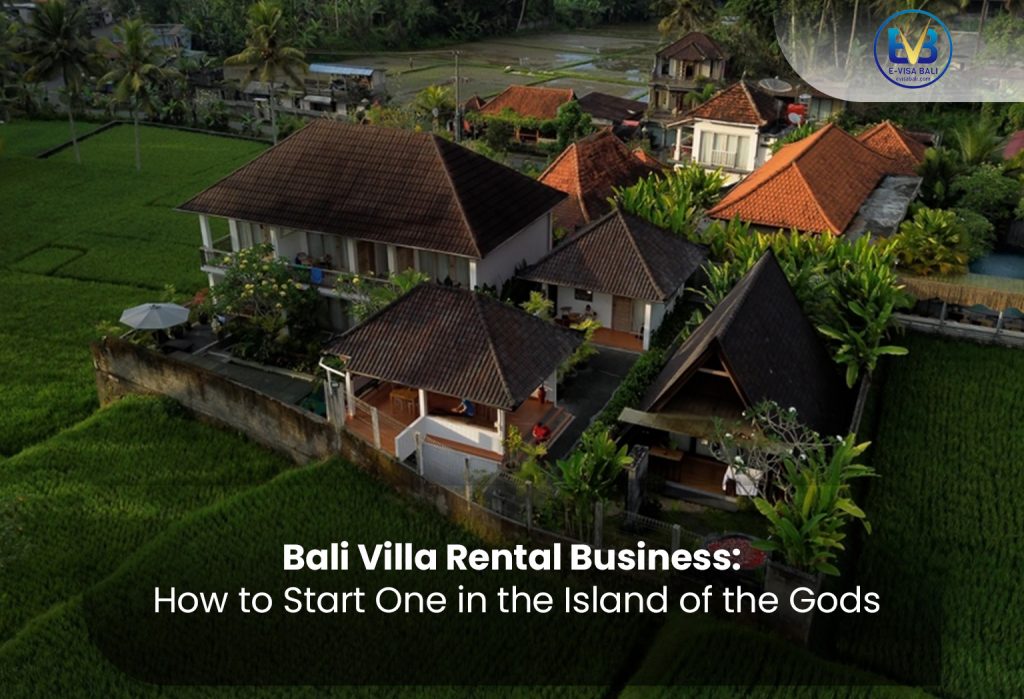
The thought of having (and starting) your own Bali villa rental business is heavenly, isn’t it? Imagine this: You have your own property in a land often dubbed as a heaven on earth. To even sweeten the cake, you are able to rent that property and earn passive income. Sounds like a dream come true, isn’t it? Or is it just too good to be true? Bali Villa Rental Business: Where to Start There is no doubt that starting off a villa renting service isn’t easy. Heck, it’s not easy for the locals; let alone a foreigner like you. Despite the seemingly far-fetched idea, it’s actually possible to buy your own villa and rent it out. Of course, you should do it legally. And by legally, you shouldn’t cut corners. Simply go straight to the department or officials responsible for the legal purchase and obtain your business license. There are some people who can help you, but be sure that they are legal and their business is legit. What’s Next? When you decide to buy a villa in Bali, you should have already made a plan about what you want to do with it. Are you going to use it for personal use only? Are you going to use it completely for business? Are you going to have both: use it for personal reason for a certain period of time and rent it out when you don’t use it? These questions are crucial as it will determine your next process to choose the right property. Do you want a small villa in the big city or a big one in a more remote area? Do you want a simple villa or the luxurious type? Are you interested in only having one villa or do you want to build a complex of them? Afterwards, even after you have found the ideal one, do you still need to renovate it or rebuild it? Are you okay and satisfied enough with its current condition? What do you want to do to improve its aesthetic appeal? If you still need to do further steps, which may involve renovation and even building, then you need to get yourself the IMB or the building permit. Basically, the more complex your requirements and preferences are, the more complicated the process will be. Not to mention that it will take longer. Read more article Villa Rental in Bali: Unveiling the Secrets of Successful Promoting Your Business Once you are ready with your villa for rent, you need to start promoting it. Since we live in the era of technology and high tech system, it’s only logical if you make use of it to get the words around. Social media can be a potent way to promote your business. You should start from there. If you have more money to spare, you can always have your own website. Make it look professional and always update it. The risk of having a website is the fact that you should make time on a daily basis. So, have a running website and active social media can really help. Care and Maintenance You should have a regular maintenance, not only for your website and social media, but for your property. Having it cleaned regularly will help. You should also perform regular checking and update, so the villa stays in its good condition. After all, who would want to rent a villa when it’s in a shabby or lousy condition? You probably need to consider about hiring a staff or worker to help you with the maintenance and care. Start Your Villa Rental Business with E-Visa! Let’s not forget that you need to have the right paperwork and legal documents before you can purchase any Balinese villa and start your business. you need a PMA, which is a type of registration and license for foreigners want to start businesses in the island. Dealing with the complicated process of making the documents can be a headache. That’s why you should turn to the professional service for guidance, advice, and assistance. Don’t hesitate to reach out to E-Visa Bali. They are the professional experts who have the in-depth knowledge of the business – and the overall stages. Check them out at E-Visa Bali so you can learn more about them and have zero doubts about their expertise. With their help, you should be able to start your Bali villa rental business in no time.
Villa Rentals in Bali: Unveiling the Secrets of Successful

Bali, the picturesque island paradise, has become a sought-after destination for those looking to invest in the booming hospitality industry. Villa rentals in Bali offer a unique and luxurious experience for visitors, making it a lucrative business venture. In this article, we’ll delve into the intricacies of building and thriving in the rental villa business in Bali, covering the essential requirements, promising prospects, and valuable tips for success. Understanding the Business Landscape The demand for villa rentals in Bali has surged in recent years, offering a profitable avenue for business. Before delving into the specifics, it’s crucial to understand the dynamics of the market. Bali’s unique blend of cultural richness and natural beauty attracts tourists seeking a more personalized and luxurious accommodation experience. Steps to Open a Villa Rental Business in Bali Research and Planning The first step in establishing a successful villa rental business is thorough research and meticulous planning. Identify the target market, assess the competition, and pinpoint the most desirable locations for your villas. Consider the preferences of your potential guests and tailor your offerings accordingly. Legal Requirements To operate a villa rental business in Bali, you must comply with local regulations. Obtain the necessary licenses and permits, including the Pondok Wisata license, which is mandatory for short-term villa rentals. Collaborate with legal experts to ensure you adhere to all regulatory requirements. Property Investment and Development Investing in the right properties is crucial for the success of your villa rental business. Choose locations that are popular among tourists, and ensure your villas offer modern amenities and a unique experience. Collaborate with architects and interior designers to create visually appealing and comfortable spaces. Marketing Strategy Create a robust online presence to showcase your villas to a global audience. Optimize your website for search engines, focusing on the keyword “villa rentals in Bali.” Utilize social media platforms to engage with potential guests, share stunning visuals, and highlight the unique features of your villas. Pricing and Booking Management Set competitive and flexible pricing strategies based on market trends and demand. Implement a reliable booking management system to streamline reservations and enhance customer satisfaction. Provide transparent information about pricing, policies, and amenities on your website. Read more article What is Freehold Property? Which is Better Freehold or Leasehold? Is Villa Rental Business Profitable in Bali? One might wonder, is investing in a villa rental business in Bali financially rewarding? The answer is a resounding yes. The increasing popularity of villa accommodations, coupled with Bali’s perpetual appeal, makes it a lucrative venture. Travelers often seek personalized and private experiences, creating a demand for well-curated villa rentals. Key Steps to Launching a Successful Villa Rental Business Unique Selling Proposition (USP) To stand out in Bali’s competitive villa rental market, define a unique selling proposition. Whether it’s breathtaking views, exclusive amenities, or personalized services, having a distinct offering will attract potential guests. Online Presence In the digital age, a strong online presence is non-negotiable. Create an engaging website optimized for search engines, using the key phrase “villa rentals in Bali” strategically throughout the content. Leverage social media platforms to showcase your villas and connect with your target audience. Marketing Strategies Implement a comprehensive marketing strategy to promote your villa rental business. Utilize online platforms, collaborate with travel influencers, and consider partnerships with local businesses to expand your reach. Consistent and strategic marketing efforts will drive traffic to your website and boost bookings. Guest Experience Providing an exceptional guest experience is paramount for repeat business and positive reviews. Focus on customer service, cleanliness, and attention to detail to create a memorable stay for your guests. Read more article Opening A Restaurant Business in Bali: Unlocking the Potential Tips to Boost Visitor Traffic to Your Rental Standing out in the competitive villa rental market requires strategic planning. Here are five tips to ensure your villa stays booked and remains a top choice for visitors: Strategic Online Presence: Leverage social media platforms and a user-friendly website to showcase your villa and engage with potential guests. Personalized Guest Experience: Provide exceptional service and create memorable experiences for your guests to encourage positive reviews and repeat visits. Collaborate with Local Businesses: Partner with local tour operators, restaurants, and attractions to offer exclusive packages, enhancing the overall guest experience. Invest in Quality Amenities: Ensure your villa is equipped with modern amenities and conveniences that meet the expectations of today’s discerning travelers. Implement Effective Marketing Strategies: Utilize digital marketing techniques, such as SEO and social media advertising, to increase the visibility of your villa rental. E-Visa Bali: Your Gateway to Bali’s Villa Rental Success Embarking on a villa rental business in Bali can be a rewarding endeavor. By understanding the legal requirements, ensuring the profitability of your venture, and implementing effective marketing strategies, you can carve out a niche in this flourishing market. Partnering with trusted services like E-Visa Bali further enhances your business journey, providing comprehensive solutions for your administrative needs. Are you ready to unlock the doors to success in Bali’s villa rental industry? Consult with us today and turn your dream of owning a thriving villa rental business into a reality.
Bali Celebrations: A Unique Tapestry of Cultural Festivities

As the vibrant island of Bali welcomes visitors from around the world, exploring the rich tapestry of Bali celebrations becomes an enchanting journey. From traditional ceremonies to lively festivals, Bali celebrations offer a captivating glimpse into the island’s cultural kaleidoscope. Immerse yourself in the rhythmic beats of ceremonial music and the colorful spectacle of traditional dances. In this article, we delve into the heart of Bali celebrations, unveiling the unique traditions and joyous festivities that define this tropical paradise. Why Bali Celebrations Every Month Bali’s perpetual festive atmosphere is deeply rooted in its unique blend of Hindu-Balinese traditions. The island follows a lunar-based calendar, resulting in frequent celebrations, ceremonies, and rituals. Each month is marked by specific religious or cultural events that bring the community together to express gratitude, seek blessings, and celebrate life. The 10 Unique Bali Celebrations Galungan and Kuningan: Balinese Spiritual Peaks Two of the most significant and widely celebrated festivals in Bali are Galungan and Kuningan. Galungan marks the victory of Dharma (good) over Adharma (evil), and during this ten-day celebration, Balinese Hindus adorn their homes with intricately crafted penjors and visit temples for prayers. Kuningan, which concludes the Galungan festivities, symbolizes the return of ancestral spirits to their heavenly abode. Nyepi: The Day of Silence Nyepi, or the Balinese New Year, is a unique celebration characterized by a day of complete silence, fasting, and meditation. The island comes to a standstill as residents and visitors alike observe a day of introspection, with no lights, entertainment, or even travel allowed. Nyepi is a time for self-reflection and purification, emphasizing the Balinese belief in maintaining balance and harmony. Ogoh-Ogoh Parade: A Spectacle of Creativity Preceding Nyepi, the Ogoh-Ogoh Parade is a visually stunning and energetic event. Gigantic, demonic statues called Ogoh-Ogoh are paraded through the streets, accompanied by traditional music and dance performances. This lively spectacle is believed to ward off evil spirits and purify the environment. Bali Kite Festival: A Skyward Extravaganza The Bali Kite Festival is a lively celebration that takes place annually between July and August. Colorful and intricately designed kites fill the sky, competing for height and beauty. This event not only showcases the artistic skills of the Balinese but also symbolizes the island’s connection with the spiritual realm. Lovina Festival: Celebrating Coastal Culture On the northern coast of Bali, Lovina Festival brings communities together to celebrate the island’s coastal heritage. The festival features traditional boat races, cultural performances, and a vibrant marketplace, providing a unique insight into the livelihoods of the coastal communities. Denpasar Festival: Showcasing Modern Balinese Culture Denpasar Festival is an annual event that highlights the modern aspects of Balinese culture. From contemporary art exhibitions to music performances and culinary delights, this festival offers a diverse experience, attracting locals and tourists alike. Read more article Bali Culture & Lifestyle A Colorful Journey Ubud Writers & Readers Festival: A Literary Extravaganza For those inclined towards literature, the Ubud Writers & Readers Festival is a must-attend event. Renowned writers, poets, and thinkers from around the world gather to share their insights, creating a dynamic platform for intellectual exchange and cultural dialogue. Omed-Omedan: A Quirky Balinese Love Festival In stark contrast to the meditative Nyepi, Omed-Omedan is a lively and somewhat unconventional festival celebrated in the village of Sesetan. This “festival of splashing” involves young unmarried villagers engaging in a playful water fight, symbolizing the community’s hopes for a successful harvest and a prosperous life. Omed-Omedan is a testament to Bali’s ability to blend tradition with fun, creating a dynamic cultural landscape. Mekotekan: A Ritual Dance of Unity Mekotekan is a unique ritual dance performed in the village of Munggu, emphasizing unity and community strength. Participants carry long bamboo poles, engaging in a symbolic display of strength and coordination. The festival is a vivid example of how Bali’s celebrations are deeply rooted in tradition, fostering a sense of togetherness and solidarity. Read more article 10 Remarkable North Bali Places to Visit Perang Tipat Bantal: Rice Cake War Extravaganza Perang Tipat Bantal, a lesser-known yet fascinating celebration, involves a friendly war using rice cakes wrapped in white cloth. This playful event, held in Munggu Village, is a testament to the Balinese people’s ability to infuse joy and laughter into their traditions. E-Visa Bali — The Trusted Visa and Business Consultant Bali celebrations are not merely events; they are reflections of a profound cultural tapestry that has endured for centuries. Whether it’s the spiritual significance of Galungan and Kuningan, the artistic expressions of Pesta Kesenian Bali, or the modern vibrancy of Denpasar Festival, each celebration contributes to the island’s unique charm. Amidst the celebrations, Bali has also embraced modern conveniences, including the E-Visa Bali service. This trusted visa and business consultant service make it easier for visitors to navigate immigration requirements, ensuring a seamless and enjoyable experience.
Explore the Beauty of Beaches in Nusa Lembongan
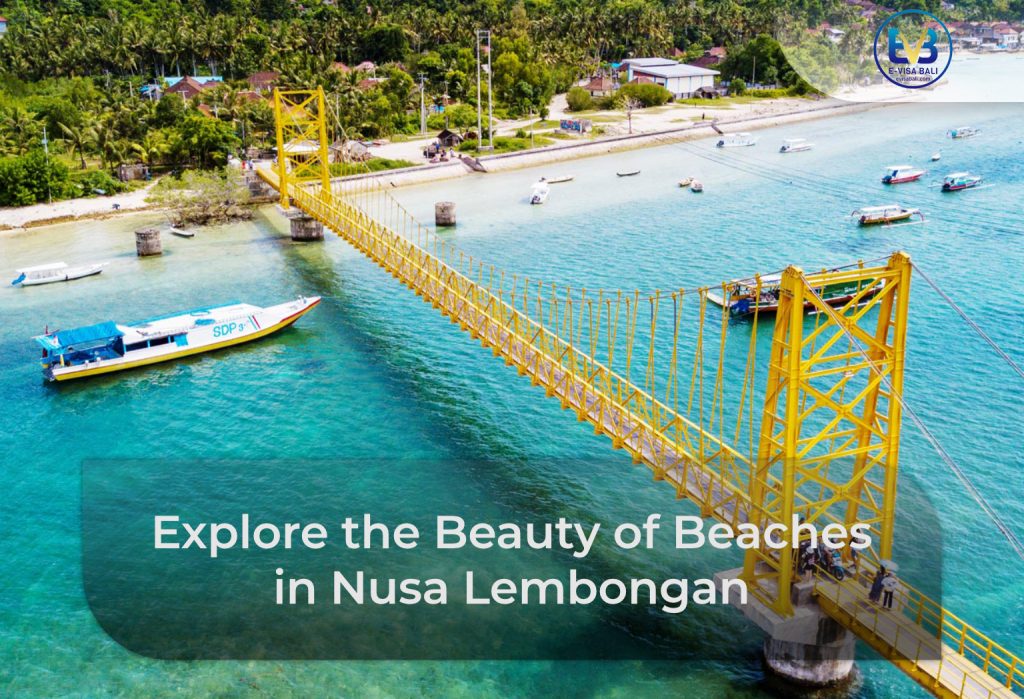
Nusa Lembongan, a hidden gem in Indonesia, is renowned for its pristine beaches that captivate visitors with their natural beauty and serenity. If you are planning a tropical escape, Nusa Lembongan’s beaches should be at the top of your list. In this article, we will delve into the reasons why these beaches are a must-visit destination and highlight 10 exciting activities you can indulge in while exploring the stunning coastal wonders. Let’s embark on a journey to discover the allure of the beaches in Nusa Lembongan. Why Choose Beaches in Nusa Lembongan? When it comes to beaches, Nusa Lembongan stands out for several compelling reasons. The crystal-clear waters, powdery white sands, and vibrant marine life create an unparalleled coastal experience. Unlike the bustling mainland of Bali, Nusa Lembongan offers a more tranquil atmosphere, making it an ideal destination for those seeking relaxation and natural beauty. Secluded Bliss Nusa Lembongan’s beaches provide a serene escape from the crowds, allowing you to unwind in a peaceful environment. Imagine walking along Dream Beach with the sound of waves as your only companion, or lounging on the quiet shores of Jungut Batu Beach – a true haven for beach enthusiasts. Thrilling Water Activities For adventure seekers, Nusa Lembongan offers an array of water activities, from snorkeling and diving to surfing. The vibrant underwater world surrounding the island is a playground for marine enthusiasts, making it a must-visit destination for water sports aficionados. Mesmerizing Sunsets Don’t miss the breathtaking sunsets that grace the skies of Nusa Lembongan. The combination of the setting sun, the tranquil sea, and the silhouette of the cliffs creates a magical ambiance. Devil’s Tear, a natural rock formation, is a popular spot to witness this awe-inspiring spectacle. Read more article Must-Know Top 10 Best Snorkeling in Bali! 10 Exciting Things to Do in Beaches Nusa Lembongan Snorkeling and Diving Adventures Explore the vibrant coral reefs and marine life surrounding the island by embarking on a snorkeling or diving excursion. Mushroom Bay is a favorite spot for underwater enthusiasts, offering a kaleidoscope of colors beneath the surface. Surfing at Shipwrecks Beach Experience the thrill of surfing at Shipwrecks Beach, known for its consistent waves. Whether you’re a seasoned surfer or a beginner, the beach provides an excellent setting to ride the waves and enjoy the adrenaline rush. Mangrove Forest Exploration Discover the unique ecosystem of Nusa Lembongan by taking a boat tour through the mangrove forest. Marvel at the intertwining roots and diverse wildlife while immersing yourself in the island’s natural beauty. Beachfront Yoga Sessions Unwind and rejuvenate with beachfront yoga sessions. Many resorts and yoga studios offer classes with a breathtaking view, allowing you to connect with nature while focusing on your well-being. Cliff Jumping at Blue Lagoon For the more adventurous, Blue Lagoon offers thrilling cliff-jumping opportunities. Take a leap of faith into the azure waters and feel the adrenaline rush as you experience this daring activity. Island Tour by Scooter Rent a scooter and explore the island at your own pace. Visit attractions like Devil’s Tear, Dream Beach, and the Yellow Bridge, enjoying the freedom to navigate Nusa Lembongan’s picturesque landscapes. Beachside Dining Indulge in the local culinary delights at the beachside restaurants. Fresh seafood, traditional Balinese dishes, and tropical fruit juices await, providing a gastronomic journey by the sea. Beach Campfire Nights Experience the magic of a beach campfire under the starlit sky. Many beaches offer nightly bonfires, creating a cozy and enchanting atmosphere for a memorable evening. Kayaking to Nusa Ceningan Paddle your way to the neighboring island of Nusa Ceningan by kayak. Explore hidden coves, secluded beaches, and the iconic Blue Lagoon, all while enjoying the tranquility of the open sea. Relaxing Beach Spa Treatments Indulge in a pampering beachside spa session. Let the soothing sounds of the waves complement your massage or spa treatment, providing a truly rejuvenating experience. Read more article Labuan Bajo: The Ultimate Destination for Adventure Seekers! Fun Facts About Beaches in Nusa Lembongan Secret Beach Caves Discover hidden caves along the coastline, accessible only during low tide. These secret caves add an element of mystery and intrigue to your beach exploration. Seaweed Farming Tradition Nusa Lembongan is known for its seaweed farming, a traditional practice passed down through generations. Explore the seaweed farms and learn about the significance of this sustainable livelihood. Manta Ray Sanctuary The waters around Nusa Lembongan serve as a sanctuary for majestic manta rays. Snorkelers and divers have the chance to witness these graceful creatures gliding through the ocean depths. Devil’s Tear Legends Local legends surround Devil’s Tear, explaining the name and attributing mystical qualities to the roaring waves and dramatic cliffs. Embrace the folklore as you witness the power of nature at this iconic spot. E-Visa Bali — Your Gateway to a Seamless Journey Planning your trip to Nusa Lembongan is made seamless with E-Visa Bali, a leading consultancy specializing in visa services and essential document processing. We not only do facilitate your journey to Nusa Lembongan, but they also offer assistance with crucial documents such as KITAS, business licenses, and tax-related permits. We expert team ensures a hassle-free experience, allowing you to focus on making the most of your time in this tropical paradise.