
Bali Visa Application: Cost and Processing Time Comparison
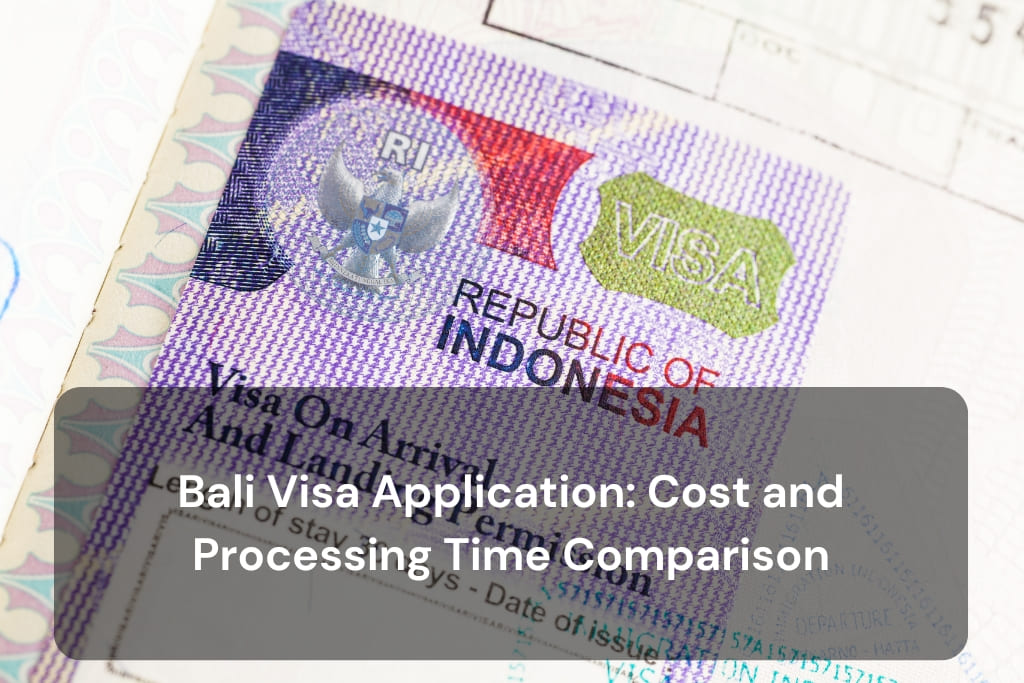
Bali, as one of the world’s most popular tourist destinations, offers a variety of visa types to meet the needs of travelers. Understanding the cost and processing time of a visa application is essential to ensure a successful visa application. This article will compare the different types of visas available, the costs associated with them, and the time required to apply. Here is a comparison of the costs for several types of visas commonly used by tourists who want to visit Bali: Visa Types Cost (IDR) Validity period Single Entry Visa (Tourism) 1.500.000 maximum 60 days Single Entry Visa (Non-Tourist) 2.000.000 maximum 60 days Multiple Entry Visit Visa 3.000.000/year maximum 1 year Longest Visit Visa (180 Days) 6.000.000 Maximum 180 days Visa On Arrival (VOA) 500.000 Maximum 30 days & can be extended for 30 days E-Visa (B211A) 750.000 maximum 60 day stay & can be extended twice for 60 days each. [Additional information]: The above prices are the official prices listed by the Indonesian government. The prices will be different if you use an agent. However, the advantage if you use an agent’s services is that the visa can be processed more quickly and avoid rejection during application. Visa application processing times vary depending on the type of visa applied for: It’s helpful to understand what influences the cost you’ll ultimately pay for your Bali visa. Several factors come into play when determining these fees, so let’s take a closer look at the key elements that affect the price tag on your permission to enter paradise. Preparing for Changes As you plan your Bali trip in 2025, it’s important to remember to factor in the potential for changes in visa fees and how these adjustments might impact your overall travel budget. Given the evolving nature of Indonesian visa policies, and with the government frequently adjusting fees to streamline immigration and boost tourism revenue, it’s wise to stay informed. To ensure a smooth and compliant application process, consider consulting with visa experts or agencies for guidance on Bali visa and stay permit requirements. Before you begin your application, make sure to stay updated by regularly checking official government sources and reputable visa service websites for the latest information on regulations and costs. Staying proactive in gathering current information will help you avoid any unexpected surprises and ensure a stress-free start to your Bali adventure.
Bali on a Budget: Budget Tips for a Holiday to Bali Especially for European Backpackers

Bali, the “Island of Enchantment,” has long been a magnet for European backpackers seeking sun-drenched beaches, vibrant culture, and spiritual rejuvenation. The allure of Bali is undeniable, but the cost of travel can quickly add up. Fortunately, with some savvy planning and budget-conscious choices, you can experience the magic of Bali without breaking the bank. This guide offers essential budget tips specifically tailored for European backpackers looking to maximize their experience while minimizing their expenses. Pre-Trip Planning: The Foundation of a Budget Bali Holiday The foundation of any successful budget trip lies in the pre-trip planning phase. This is where you can make the most significant impact on your overall spending. On-the-Ground Budget Hacks in Bali Once you arrive in Bali, you’ll need to be smart about your daily expenses. Here are some effective ways to save money while enjoying your Bali adventure: Essential Tips for European Backpackers Here are some extra tips specifically for European backpackers: Embracing the Budget Bali Experience Traveling to Bali on a budget doesn’t mean sacrificing the quality of your experience. By following these tips, you can enjoy the beauty, culture, and adventure that Bali has to offer while staying within your financial limits. Embrace the local way of life, be open to new experiences, and you’ll create unforgettable memories that will last a lifetime. With smart planning and a spirit of adventure, Bali is truly a paradise accessible to every budget-conscious European backpacker.
Latest Updates on Visa Policies for Tourists Visiting Bali
The “Island of the Gods,” Bali, continues to be a popular travel destination worldwide. Known for its stunning landscapes, vibrant culture, and spiritual atmosphere, Bali continues to attract millions of visitors each year. To ensure a smooth and enjoyable experience for these travelers, the Indonesian government frequently updates its visa policies and entry requirements, aiming to streamline the arrival process while supporting sustainable tourism. As Bali looks forward to welcoming an ambitious 6.5 million international tourists in 2025, understanding these latest regulations is crucial for both first-time visitors and seasoned travelers alike. This guide provides a comprehensive overview of the current visa options, key requirements, and essential procedures to help you plan your trip to Bali in 2025. Here’s what you need to know for your trip to Bali based on the latest policies in 2025: Visa Options Navigating the latest visa requirements is essential for a hassle-free start to your adventure. Let’s explore the current visa options available to tourists visiting Bali in 2025, ensuring you’re well-prepared for your journey to the Island of Gods. Key Requirements and Procedures Before you pack your bags and head to paradise, it’s crucial to understand the key requirements and procedures for entering Bali. Ensuring you have all the necessary documentation and are aware of the latest regulations will guarantee a smooth and stress-free arrival. Here’s what you need to know: Simplify Your Bali Visa with Expert Assistance! Navigating the Bali visa process can be complex, but it doesn’t have to be. Visa agencies with skilled specialists can expertly manage your entire visa application process from start to finish. Get personalized help every step of the way, ensuring you have the right information to make informed decisions. Let experienced visa specialists handle the paperwork, so you can concentrate on planning your unforgettable Bali experience. Visit a trusted visa agency E-Visa Bali to begin your application. You can contact us at the following number (+62 877 885 000 99).
Navigating the Process of Securing a KITAS Work Permit for Foreign Workers in Bali

To legally employ foreign workers in Bali, employers must understand and navigate the Indonesian regulations for work permits and stay permits. The key to compliance involves obtaining the necessary documents, including a Work Permit (IMTA) and a Limited Stay Permit (KITAS). Often, the term KITAS is used to refer to the work permit, though it technically refers to the stay permit. Key Documents and Processes Steps to Obtain a Work KITAS The application process for a Working KITAS in Bali involves multiple steps that should begin approximately six weeks before the intended start date of employment: Requirements for Obtaining a Work Visa KITAS a. From the Applicant: b. From the Company-Employer (scanned copies): Important Considerations Safe Alternative Way To work in Bali without issues, it is crucial to follow the proper legal channels. This includes securing the necessary work visa (KITAS) and work permit (IMTA), and complying with Indonesian tax laws by registering with the tax office for a taxpayer number (NPWP). Seeking assistance from legal professionals can further ensure compliance and smooth navigation of the process. You can use e-visa Bali services to make it easier to process a visa. Consult now and enjoy your work in Bali comfortably.
Exploring Bali’s Cultural Etiquette for Business Success

Bali, the “Island of Gods,” is renowned for its breathtaking landscapes, vibrant arts, and unique Hindu culture. While it’s a popular tourist destination, Bali is also increasingly becoming a hub for international business. However, to thrive in Bali’s business environment, it’s essential to understand and respect its cultural nuances. This article provides insights into navigating Balinese cultural norms to enhance your business relationships and achieve success. Understanding Balinese Culture: A Foundation for Business Balinese culture is deeply rooted in Hinduism, with a strong emphasis on harmony, respect, and community. Key values that influence business interactions include: Tips for Navigating Cultural Norms in Balinese Business Here are some practical tips to help you navigate Balinese cultural etiquette and build strong business relationships: Conclusion By understanding and respecting Balinese cultural etiquette, you can build strong, lasting business relationships and increase your chances of success in Bali. Embrace the spirit of “Tri Hita Karana” by fostering harmony, practicing ethical behavior, and demonstrating genuine respect for the Balinese people and their culture. With patience, cultural sensitivity, and a willingness to learn, you can unlock the full potential of Bali’s vibrant business environment.
Strategic Locations for Business Expansion in Bali

Bali, often celebrated as a world-class tourist destination, is also a promising land for business ventures and expansions. With its flourishing economy, cultural diversity, and robust infrastructure, the island offers various strategic locations catering to different business needs. From retail and hospitality to creative industries and professional services, each area in Bali presents unique opportunities for growth and success. Below, we explore the most strategic locations for business expansion in Bali and their distinct advantages. 1. Denpasar: The Economic and Administrative Hub As the capital city of Bali, Denpasar is the island’s economic and administrative heart. The city offers a highly developed infrastructure, making it an excellent choice for businesses in logistics, retail, and professional services. Denpasar’s bustling streets are home to numerous banks, offices, government institutions, and markets, making it easy for businesses to connect with suppliers, clients, and regulatory authorities. Moreover, its central location provides easy access to other parts of the island, ensuring seamless operations for businesses with wider geographical coverage. Companies targeting local Balinese consumers or seeking a steady flow of residents and domestic tourists often find Denpasar a lucrative base. 2. Seminyak: A Premium Market for Upscale Brands Known for its upscale vibe, Seminyak is Bali’s epicenter for luxury tourism and high-end lifestyles. The area is home to five-star resorts, fine-dining restaurants, designer boutiques, and wellness centers, making it an attractive market for businesses targeting affluent customers. Companies offering premium products or services—such as jewelry stores, spa services, or boutique fashion brands—can benefit significantly from the area’s established reputation for quality and exclusivity. Seminyak also attracts expatriates and digital nomads, providing opportunities for co-working spaces, professional services, and real estate ventures. 3. Ubud: The Creative and Wellness Capital Businesses in health, sustainability, and creative industries thrive in Ubud due to its strong community focus and emphasis on mindful living. Yoga retreats, art galleries, eco-lodges, and organic food restaurants dominate the local market. Ubud is particularly suitable for entrepreneurs passionate about environmentally and socially conscious businesses. The town’s slower pace and international appeal attract a demographic seeking authenticity and purpose-driven enterprises, making it fertile ground for creative and sustainable initiatives. 4. Canggu: The Tech and Digital Hub Canggu has become a magnet for digital nomads and tech entrepreneurs. With a mix of co-working spaces, trendy cafes, and an innovative community, the area is ideal for businesses in technology, digital marketing, and creative services. Its growing expatriate population also opens opportunities in real estate and wellness industries. 5. Sanur: A Quiet, Growing Market Sanur is an attractive market for wellness retreats, boutique hotels, and family-oriented businesses. In recent years, Sanur has also become a preferred location for expatriates, driving demand for property management services, cafes, and international schools. Businesses targeting a more mature and family-focused demographic may find Sanur an ideal base. 6. Jimbaran: Balancing Tourism and Business Jimbaran offers a balance between luxurious tourism and local business opportunities. Known for its beachfront dining and luxury resorts, the area attracts middle-to-high-income visitors, making it ideal for upscale dining, hospitality, and lifestyle businesses. At the same time, Jimbaran’s proximity to the international airport and Nusa Dua’s conference facilities makes it suitable for professional services catering to the corporate sector. Businesses that bridge the gap between leisure and commerce often find Jimbaran a strategic base for expansion. 7. Nusa Dua: A Corporate and Conference Destination Nusa Dua is Bali’s prime location for luxury resorts, international conferences, and corporate meetings. Its world-class facilities and exclusive appeal make it a hotspot for businesses targeting corporate clients, high-profile events, and luxury travelers. Event management, professional services, and high-end retail brands are particularly well-suited to Nusa Dua, as the area hosts many international delegates and premium customers. The Bali International Convention Centre and nearby luxury hotels make Nusa Dua a natural choice for businesses focused on large-scale hospitality and events. 8. Kuta: The Tourism Powerhouse Kuta remains one of Bali’s most vibrant tourist destinations. The area’s high footfall of international travelers makes it ideal for businesses in hospitality, retail, and entertainment. Restaurants, bars, nightclubs, and boutique stores thrive here, benefiting from visibility and accessibility, thanks to its proximity to Ngurah Rai International Airport. 9. Uluwatu: Rising Potential in the South Once known primarily for its iconic surf spots, Uluwatu is rapidly evolving into a high-potential location for luxury tourism and real estate. The area is home to breathtaking cliffside resorts, boutique villas, and premium dining establishments. As infrastructure in southern Bali continues to improve, Uluwatu is becoming increasingly attractive to businesses seeking untapped markets in the luxury and eco-tourism sectors. 10. Gianyar and Beyond: Exploring Rural Opportunities Outside the well-known hubs, areas like Gianyar offer opportunities for agriculture-based businesses and ventures in rural tourism. With Bali’s growing focus on sustainability, businesses dealing in organic farming, eco-friendly products, or rural-based experiential tourism can capitalize on the increasing demand for ethical and authentic offerings. Conclusion Bali offers diverse strategic locations for business expansion, each with its distinct advantages and opportunities. Whether targeting luxury tourism in Seminyak, digital innovation in Canggu, or sustainable practices in Ubud, businesses can align their goals with Bali’s vibrant and evolving ecosystem. With the right strategy and understanding of local markets, entrepreneurs can harness Bali’s potential as a thriving base for growth and success on both regional and global scales.
Why Bali Is Ideal for Small Corporate Headquarters

Bali, the Island of the Gods, is more than just a tourist destination. Over the years, it has emerged as a hub for small businesses and startups looking to establish a dynamic and inspirational environment for their operations. Its unique combination of natural beauty, strategic location, modern infrastructure, and cultural richness makes Bali an excellent choice for small corporate headquarters. Here are some compelling reasons why Bali is the perfect base for a growing business. 1. Strategic Location Situated in the heart of Southeast Asia, Bali offers convenient access to major markets such as Australia, China, Singapore, and other ASEAN nations. Its proximity to these markets makes it easier for businesses to collaborate, network, and expand operations regionally and globally. With Ngurah Rai International Airport offering extensive flight connections, Bali provides excellent logistical support for business travelers and shipments. 2. Inspiring Work Environment Bali’s natural beauty is unmatched, with picturesque beaches, lush jungles, and breathtaking mountains. This serene environment not only provides inspiration but also promotes a healthy work-life balance for employees and entrepreneurs. Working in a visually stunning and tranquil setting can improve creativity, reduce stress, and boost productivity. Many business owners report that Bali’s surroundings contribute positively to their mental well-being and decision-making processes. 3. Affordability Compared to other major business hubs like Singapore, Hong Kong, or Sydney, Bali offers significantly lower costs for setting up and maintaining a corporate headquarters. Office space, housing, and general living expenses are more affordable, allowing companies to allocate resources more effectively toward growth and innovation. For small businesses and startups operating on tight budgets, this cost-efficiency can make a significant difference in long-term sustainability. 4. Access to Modern Infrastructure Bali has made tremendous strides in modernizing its infrastructure. Co-working spaces equipped with high-speed internet, private offices, and event spaces are widely available in areas like Canggu, Ubud, and Denpasar. These facilities cater specifically to remote workers, digital nomads, and small businesses. Additionally, the growing availability of reliable technology and communication tools ensures seamless operations for businesses that rely on global connectivity. 5. Skilled and Diverse Workforce Bali is home to a growing pool of talented professionals, both local and international. Local workers bring cultural knowledge, language skills, and technical expertise to the table, while expatriates add global perspectives and specialized experience. For businesses looking to build multicultural teams, Bali provides an excellent talent pool with a mix of skills ranging from creative industries like graphic design and marketing to more technical fields such as IT and software development. 6. Thriving Business Ecosystem Over the years, Bali has developed a thriving ecosystem of entrepreneurs, creatives, and digital nomads. This collaborative community makes it easy for business owners to network, share ideas, and collaborate on projects. Events, workshops, and networking gatherings are regularly organized, offering valuable opportunities for learning and growth. The atmosphere of innovation and entrepreneurship in Bali is both motivating and supportive. 7. Support for Remote Work Bali is globally recognized as a haven for remote workers, a trend that has gained momentum post-pandemic. Many startups and small businesses with remote teams choose Bali as their headquarters due to its conducive remote-working environment. The availability of co-living and co-working spaces allows businesses to combine work and accommodation in one cost-effective and community-oriented setting. 8. Unique Marketing Appeal Operating in Bali also offers inherent branding opportunities. Businesses based on this island automatically gain a reputation for being innovative, adventurous, and connected to sustainability and creativity. The global appeal of Bali can enhance a company’s brand story and attract clients or investors who value the ethos associated with the island. Additionally, Bali’s exotic charm can help attract talent, as many professionals are eager to live and work in such an inspiring locale. 9. Government Support and Policies In recent years, the Indonesian government has shown increased interest in supporting foreign investment and entrepreneurship in Bali. Initiatives such as the digital nomad visa and business-friendly policies for small enterprises make it easier for foreign companies to establish and operate their businesses on the island. Navigating permits and regulations has also become more streamlined, providing greater clarity and support for entrepreneurs. 10. Focus on Sustainability Bali’s commitment to sustainability aligns with the values of modern businesses. From eco-friendly resorts and waste management programs to community-driven sustainability initiatives, the island’s focus on environmental stewardship resonates with companies that prioritize corporate social responsibility. This alignment not only creates a positive business image but also helps companies attract socially conscious customers and partners. Challenges and Considerations While Bali offers immense advantages, it’s important to consider potential challenges. Businesses must navigate cultural differences, regulatory complexities, and occasional limitations in infrastructure outside urban areas. These issues, however, are manageable with the right planning and local expertise. Seeking professional advice and building relationships with local authorities can help businesses overcome these challenges and thrive on the island. Conclusion Bali is more than just a tourist paradise; it is a promising location for small corporate headquarters. The island’s unique combination of affordability, modern infrastructure, inspiring environment, and skilled workforce provides businesses with a competitive edge. For entrepreneurs and small business owners looking to establish a base in an innovative and globally connected location, Bali represents the perfect blend of opportunity, growth, and quality of life. With proper planning and the right approach, Bali can be a stepping stone to regional and global success.
Exploring Bali’s Export Potential for Small Businesses
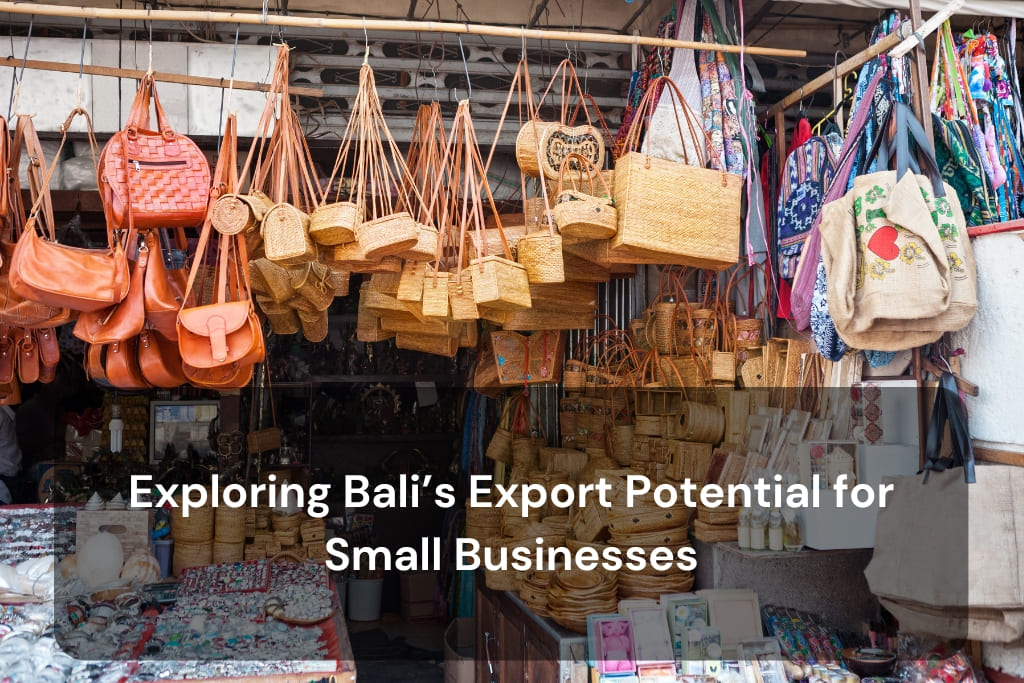
Bali, besides being a world-renowned tourist destination, holds tremendous potential in the export business sector. Its unique culture, high-quality local products, and strong international demand for Balinese specialties create numerous opportunities for entrepreneurs. Various leading industries in Bali offer high-value products for global markets. Here is an overview of some of the largest export opportunities in Bali. 1. Handicrafts and Home Decor Bali is renowned for its expertise in art and handicrafts. The local community excels in creating home decor items such as wooden carvings, stone statues, and woven bamboo or rattan products. These artistic creations not only reflect Balinese culture but also bring a natural touch that appeals to international markets. These handcrafted items are widely used for home decor, restaurants, or commercial spaces in countries like the United States, Europe, and Australia. 2. Jewelry Balinese jewelry, especially silver pieces, has gained global recognition. Areas like Celuk and Ubud are hubs for crafting high-quality jewelry that blends ethnic and modern designs. Necklaces, bracelets, and rings made of silver, gold, or natural materials like gemstones have long been favorites among international buyers. With intricate details and superior quality, these jewelry pieces cater to premium markets in countries such as Japan, the United States, and Europe. 3. Furniture and Interior Products Bali is also known for producing high-quality furniture. Wooden furniture made from teak, mahogany, or bamboo is highly sought after for its durability, aesthetics, and eco-friendly qualities. Additionally, home decor items like hanging lamps or rattan shelves are increasingly popular among global buyers who seek handmade products with tropical accents. The primary markets for these products include Australia, North America, and the Middle East, where there is strong demand for naturally inspired furniture. 4. Textiles and Fashion Bali’s textile and fashion industries have grown significantly, particularly with the production of traditional fabrics like Balinese batik and endek. In addition, casual apparel such as beachwear and resort clothing has become a favorite among tourists and is now gaining traction in export markets. With a combination of modern designs and eco-friendly materials, Balinese fashion products are highly competitive, especially in Australia and Europe. 5. Organic Food and Beverages Global demand for healthy and organic food products has created immense opportunities for Bali’s agricultural sector. Arabica coffee from Kintamani is one of Bali’s flagship products, highly sought after in Europe and the United States. Other products, such as virgin coconut oil, palm sugar, and local spices like ginger and turmeric, also have significant potential due to their superior quality and health benefits. 6. Beauty and Spa Products Bali is famous for its natural wellness traditions. Products such as essential oils, body scrubs, and herbal soap are already part of the island’s daily life. These natural beauty and spa products have enormous export potential due to the rising interest in environmentally friendly goods. Countries like Japan, the United States, and Australia are the main markets for these items. 7. Ecological and Zero-Waste Products With the increasing global awareness of sustainability, Bali is contributing with eco-friendly products made from natural or recycled materials. Items like bamboo straws, reusable shopping bags, and wooden kitchen utensils have become a growing export trend. Markets in developed countries such as Europe strongly support these products, as their consumers are increasingly environmentally conscious. 8. Art and Collectibles Bali is also recognized as an artistic hub. Traditional paintings, sculptures, and carved wall hangings from Bali hold cultural significance and are considered valuable investments by art collectors. With growing popularity, Bali’s art and collectible market has reached Europe and the United States, where Balinese art is highly valued. Conclusion With such a diverse range of opportunities, Bali holds incredible potential as an export hub for goods and services. Every product from Bali, whether handicrafts, food, or creative services, reflects the island’s rich culture, creativity, and innovation. For entrepreneurs, this is the perfect time to take advantage of these opportunities, enter the global market, and elevate Bali’s reputation worldwide. Through market research, robust distribution strategies, and a commitment to quality, businesses from Bali can grow into significant players in the global export industry.
Market Entry Strategies for Bali Entrepreneurs

Foreign investors are required to establish a Foreign Investment Limited Liability Company (PT PMA), obtain a Limited Stay Permit Card (KITAS) and work permit, ensure that their business is included in the Positive Investment List (DPI), prepare documents such as passports and financial reports, and provide proof of business domicile. A foreigner cannot establish a CV in Indonesia. Unlocking business opportunities in Bali requires a strategic approach, detailed planning, and a deep understanding of the local market. Bali’s vibrant economy, heavily influenced by tourism, offers immense potential for entrepreneurs who aim to succeed. This article provides insights into market entry services, including research, business setup, and local partnership guidance to simplify your journey. Understanding the Bali Market Bali’s economy thrives on sectors like tourism, wellness, retail, and creative industries. The growing trend toward eco-friendly practices has created demand for sustainable businesses. Conducting market research is essential to understand these trends, consumer behavior, and the competitive landscape. Local expert assistance can provide actionable insights into specific niches best suited for success. Comprehensive Market Entry Services Analyzing demand, competition, and pricing strategies is crucial to understanding your target market. Professionals specializing in Bali’s market dynamics can identify gaps and emerging opportunities tailored to your business goals. The regulatory landscape in Bali involves multiple steps for company registration, taxation, and permits. Foreign entrepreneurs must establish a PT PMA (Foreign Investment Company) or collaborate with local partners for compliance. Professional legal advisors or consultants streamline the process by handling documentation, ensuring adherence to laws, and reducing administrative bottlenecks. Setting up a business in Bali includes obtaining essential licenses and permits. From arranging location approvals to registering with the Online Single Submission (OSS) system, experienced facilitators guide entrepreneurs through every stage. A focus on time efficiency and compliance guarantees a smooth entry into the market. Forming partnerships with trusted local businesses enhances credibility and opens access to broader networks. Partnerships help entrepreneurs gain insight into cultural expectations, consumer behavior, and established distribution channels. These relationships also ease the operational challenges faced by newcomers in the market. A comprehensive marketing strategy involves both online and offline initiatives. Digital platforms like Instagram, TikTok, and travel review websites play a key role in targeting tourists, while traditional marketing strategies build trust with local communities. Local market experts offer tailored campaigns and promotional services to ensure visibility and relevance. Key Challenges and Solutions Opportunities for Growth in Bali Entering Bali’s market is a promising venture when approached strategically. Leveraging market entry services for research, legal compliance, and partnership guidance ensures a smoother process. By understanding Bali’s unique challenges and opportunities, entrepreneurs can unlock their business potential and establish a thriving presence in this iconic destination.
Retirement Visa in Bali: All You Need to Know

Bali, with its breathtaking beaches, serene landscapes, and warm tropical climate, has long been a favorite destination for travelers. For retirees looking for an idyllic location to spend their golden years, Bali offers an excellent option through its Retirement Visa program. This article explores the requirements, benefits, and steps to securing a retirement visa in Bali, ensuring a smooth transition to life in paradise. What is a Retirement Visa? The Retirement Visa, officially called the Limited Stay Permit (KITAS Lansia), allows retirees over 60 years of age to live in Indonesia for an extended period. It provides access to Bali’s laid-back lifestyle, affordable cost of living, and vibrant expat community. Eligibility Requirements To qualify for a retirement visa in Bali, you must meet the following criteria: Benefits of a Retirement Visa Retirees who secure a retirement visa can enjoy several benefits: Steps to Securing a Retirement Visa Tips for Retiring in Bali E-visa Bali: Friendly & Easy Service for Retirement in Bali Obtaining a retirement visa in Bali opens the door to a fulfilling and tranquil life in one of the world’s most sought-after destinations. With its warm climate, rich culture, and affordable cost of living, Bali is an excellent choice for retirees looking to make the most of their golden years. By understanding the requirements and working with professional experts in Bali e-visa services, you can start your retirement journey with confidence and ease. consult now at the following number: (+62 877 885 000 99)
