Multiple Entries to Bali: Which Visa Works?

A common question from travelers is: I’m planning to visit Singapore for a few days. Can I go back to Bali using the same visa? Not all visas allow you to re-enter Indonesia after leaving the country. If you hold a Multiple Entry Visa, you may enter Indonesia multiple times during the visa’s validity period. Each entry is subject to the permitted length of stay granted under your visa and must comply with the applicable immigration regulations. Set Your Travel Purpose Before Starting the Visa Process Is Bali my sole destination, or will I be traveling elsewhere too? If you’re planning to stay in Indonesia from the day you arrive until the end of your flight home, your visa options may be different from someone who intends to travel between Indonesia, Singapore, Malaysia, or Australia. Many visitors arrive in Bali with no intention of leaving the country. A few weeks later, they decide to spend a weekend in Singapore or take a short trip to Kuala Lumpur. What they don’t always realize is that leaving Indonesia may affect whether their current visa can still be used when they return. For that reason, it’s worth thinking about any possible side trips before applying for your visa—not after you’ve already booked your flights. Multiple Entry Visa Options for Indonesia 1. Multiple Entry Visa If your travel plans include leaving Indonesia and returning again, or if you’re planning to stay for reasons beyond tourism, you’ll need to look at visa types that go beyond the standard tourist visa. Choosing the right visa from the start can save you from the hassle of reapplying later, reduce costs, and ensure you remain fully compliant with immigration regulations. 2. Multiple Entry Visa (D1/D2) Designed for travelers who expect to visit Indonesia more than once. This visa allows multiple entries during its validity period, making it a practical choice if you regularly travel between Indonesia and other countries. 3. Pre-Investment Visa Suitable for foreigners who want to explore business or investment opportunities in Indonesia before establishing a company. It gives you time to conduct meetings, market research, and evaluate potential investments without immediately setting up a PMA. 4. Second Home Visa Created for foreigners who wish to live in Indonesia for the long term. It’s commonly chosen by individuals who want to make Bali their primary residence without being employed by an Indonesian company. 5. Silver Hair Visa Designed for retirees who want to enjoy their retirement in Indonesia. This visa is intended for eligible applicants who plan to live in Bali or other parts of Indonesia while meeting the applicable immigration requirements. 6. KITAS A KITAS is a temporary stay permit for foreigners living in Indonesia for purposes such as working, investing, joining a spouse, studying, or long-term residence. The type of KITAS you need depends on the purpose of your stay. Not Sure Which Visa Fits Your Trip? There isn’t a single visa that works for everyone. A traveler spending two months in Bali will have very different needs compared to someone who plans to enter and leave Indonesia several times throughout the year. The right visa depends not only on how long you’ll stay, but also on how you plan to travel.
Why More Bali Visitors Are Choosing the e-VoA

Planning a holiday to Bali? Applying for an electronic Visa on Arrival (e-VoA) before you travel can make your arrival much faster and more convenient. Eligible travelers can either apply online for an e-VoA or obtain a Visa on Arrival at Ngurah Rai International Airport Bali. Both visa options provide the same tourist entry permission: a single-entry stay for 30 days and extend once for an additional 30 days. The main advantage of e-VoA is that it allows you to skip the Visa on Arrival payment counters, helping you get through immigration more efficiently. Recent travel regulations have been made early. From September 2025, travelers are required to complete the new All Indonesia Declaration Card before applying for an e-VoA. Starting from October 2025, this requirement will apply to all international arrivals across Indonesia. Completing these requirements before departure, including immigration, health, and customs procedures. Who Can Apply? The eVOA is available for nationals of eligible countries visiting Indonesia for purposes such as tourism, family visits, or certain business activities. If your nationality is eligible, you can submit your application online before your departure instead of applying for a visa after landing in Indonesia. If you’re not sure whether your country is eligible, it’s always worth checking before booking your trip. Bali Airport Time Savers Benefits of an e-VoA is spending less time waiting in airport queues. Because your visa has already been approved before departure, you can bypass the Visa on Arrival counters and proceed directly to immigration. Travelers who hold passports with biometric information and a valid electronic visa can use the automated gates at the airport. Save the time when you arrive at Ngurah Rai Airport. How to Apply for an Indonesia e-VoA 1. Applying online and preparing the required documents in advance. A passport valid for at least 6 months from your arrival date. A recent passport-style photograph. A copy of the pages in your passport. Proof that you have a flight out of Indonesia either to go home or to go somewhere else. 2. Complete the All-Indonesia Declaration Card The All-Indonesia Declaration Card is a mandatory travel requirement. Although you may complete the declaration after submitting your e-VoA application, it must be completed no later than three days before departure. From October 2025, this declaration becomes mandatory for all international travelers entering Indonesia. After you submit your declaration, you will get a QR code. Save it to show it during your trip or when you arrive. 3. Apply on the Immigration Website You should only apply on the Indonesian immigration website. You can use a government partner platform that is allowed to help with applications. This way you avoid service fees and fake websites. 4. Create an Account Registering an account allows you to monitor your application status and makes it easier to manage future visa applications. 5. Complete the e-VoA Application Select the B1 Tourist Visa category and enter your personal information, travel itinerary, and accommodation details. Upload the required documents and include your Declaration Card QR code if requested. 6. Pay the Visa Fee e-VoA application fee is IDR 500,000. Payment can usually be made using credit card such as Visa, MasterCard, or JCB credit cards. Depending on your payment provider, a small transaction fee may apply. 7. Download Your Approved e-VoA Letter Most applications are approved within minutes, although some may take several days to process. Once approved, download your e-VoA PDF and save both digital and printed copies for your trip. 8. Arrive in Bali When you arrive, have the following documents ready: Passport Approved e-VoA All Indonesia Declaration Card QR code If eligible, you may also use the automated immigration e-gates for a faster arrival experience. Common Mistakes to Avoid To help ensure a smooth application process, avoid these common errors: Apply through official immigration websites or an authorized government partner. Last-Minute Visa Application Near Departure. Please submit your application at least 48 hours before travel, preferably earlier. Entering invalid passport number or spelling error, may result in visa rejection without a refund. Forget the All-Indonesia Declaration Card QR code. Payment Failed at the Final Step of Application. Online payment time session is only available for a limited time. If the payment is not completed before the session expires, you may need to re-submit a new application. Conclusion Applying for an Indonesia e-VoA before your trip is one of the easiest ways to enjoy a smoother arrival in Bali. With faster immigration processing, fewer airport queues, and the convenience of completing everything online before departure, the e-VoA helps you start your holiday with less stress. Be sure to prepare your documents, complete the required All Indonesia Declaration Card, and apply early to avoid last-minute delays.
Why Was My Indonesian Visa Rejected? Common Reasons Explained

Receiving a visa rejection can be frustrating, especially when you have already made travel plans, booked accommodation, or prepared business activities in Indonesia. Many foreigners assume that submitting the required documents automatically guarantees visa approval. However, Indonesian immigration authorities carefully review every application and may reject a visa request for various reasons. In many cases, the issue is not necessarily the applicant’s nationality, but rather incomplete documentation, inconsistencies in the application, or failure to meet certain requirements. Understanding the most common reasons for visa rejection can help you avoid delays and improve your chances of approval in future applications. Does a Visa Application Guarantee Approval? No. Submitting a visa application does not automatically guarantee that the visa will be approved. Immigration authorities have the right to assess each application individually and may request additional information or reject an application if they believe the requirements have not been fully satisfied. For this reason, accuracy and completeness are extremely important when preparing your application. Common Reasons Indonesian Visas Are Rejected Incomplete Documentation One of the most common reasons for rejection is missing or incomplete documents. Examples may include: Missing passport pages Incomplete application forms Missing supporting documents Unclear photographs Invalid or expired documents Even small mistakes can delay the review process or result in rejection. Insufficient Financial Evidence Many visa categories require proof that the applicant has sufficient financial resources during their stay in Indonesia. Applications may face issues when: Bank statements do not meet requirements Documents are unclear Required balances cannot be verified Financial documents appear inconsistent Providing accurate and verifiable financial information is essential. Inconsistent Information Immigration authorities often review information across multiple documents. Problems may arise if: Travel plans do not match supporting documents Personal information differs between documents Employment information appears inconsistent The purpose of stay is unclear Consistency throughout the application is extremely important. Choosing the Wrong Visa Type Another common issue is applying for a visa category that does not match the intended activity in Indonesia. For example: Applying for a tourism-related visa while intending to conduct activities that require a different permit Selecting a visa category that does not correspond with the actual purpose of stay Choosing the correct visa category from the beginning can help prevent unnecessary complications. Previous Immigration Violations Past immigration history may also affect future applications. Examples include: Previous overstays Immigration violations Deportation records Unresolved immigration matters While not every previous issue automatically results in rejection, immigration authorities may review these cases more carefully. Problems With Supporting Documents Supporting documents provided by sponsors, companies, educational institutions, or other parties may also be reviewed. Applications can face delays or rejection if: Documents cannot be verified Information is inconsistent Required details are missing Supporting documents do not match the visa purpose Can Nationality Affect Visa Approval? In some cases, additional scrutiny may apply to certain applicants depending on current immigration policies and risk assessments. However, visa approval is typically based on the overall strength and completeness of the application rather than nationality alone. A well-prepared application generally has a much stronger chance of approval. What Should You Do After a Visa Rejection? A rejection does not necessarily mean you can never apply again. The first step is identifying the reason for the rejection and addressing any issues before submitting a new application. This may involve: Correcting documentation Providing additional supporting evidence Selecting a more appropriate visa category Reviewing the application for inconsistencies Taking time to resolve the underlying issue can significantly improve the chances of future approval. How to Improve Your Chances of Approval To reduce the risk of rejection: Prepare documents carefully Ensure information is accurate and consistent Choose the correct visa category Meet all financial and documentation requirements Submit clear and complete supporting documents Professional guidance can also help identify potential issues before submission. Conclusion Visa rejections can happen for many reasons, ranging from incomplete documentation to choosing the wrong visa category. Fortunately, many of these issues can be avoided through careful preparation and a clear understanding of Indonesian immigration requirements. If you are planning to apply for an Indonesian visa and want to minimize the risk of rejection, E-Visa Bali can help review your eligibility, prepare the necessary documentation, and guide you through the application process to ensure the best possible chance of approval.
Visa Conversion in Indonesia: Which Visas Can Be Converted and Which Cannot?
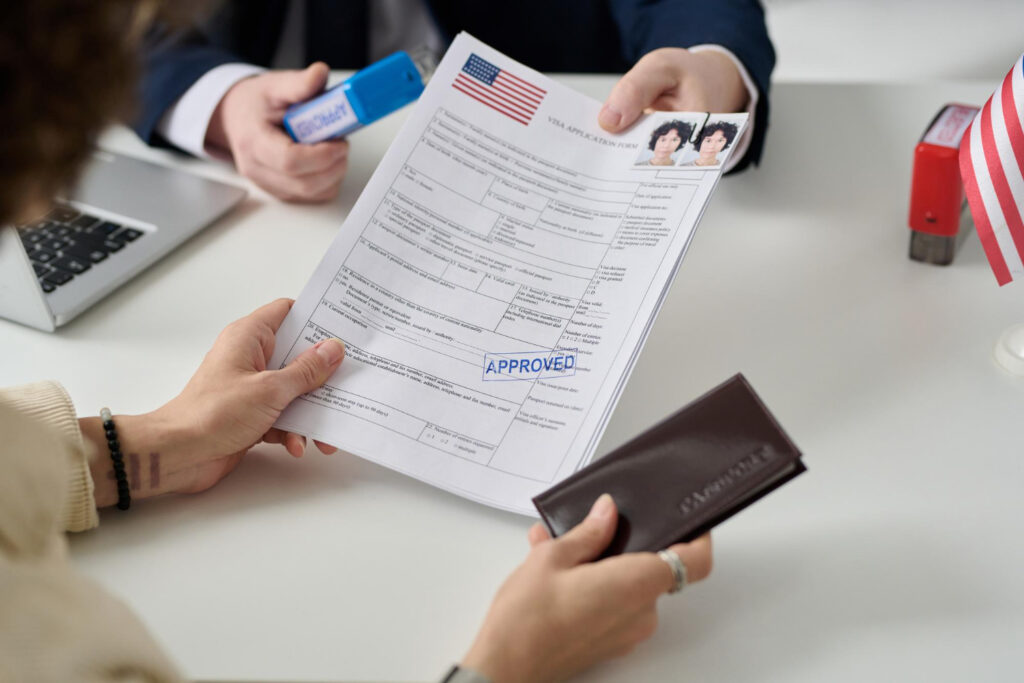
Many foreigners arrive in Indonesia with one visa type but later discover that their plans have changed. Some decide to stay longer, start a business, join a training program, reunite with family, or invest in Indonesia. In these situations, one of the most common questions is whether their current visa can be converted into another visa or stay permit without leaving Indonesia. The answer depends on the type of visa you currently hold and the visa you wish to obtain. While some visas can be converted through a visa conversion process, others may require you to leave Indonesia and apply for a new visa from overseas. Understanding these rules can help you avoid unnecessary travel, overstays, and immigration complications. What Is Visa Conversion? Visa conversion refers to the process of changing your current immigration status to another visa or stay permit while remaining in Indonesia. Instead of exiting the country and applying for a new visa abroad, eligible foreigners may be able to transition to a different permit through an approved conversion process. However, not all visas qualify for conversion, and eligibility depends on the specific visa category and purpose of stay. Which Visas Can Be Converted in Indonesia? Certain visa holders may be eligible to convert their status without leaving Indonesia. Common examples include: VOA (Visa on Arrival) e-VOA KITAS holders changing to another KITAS category Depending on individual circumstances, these visas may be converted into another stay permit through the appropriate immigration process. Because immigration regulations can change, it is always advisable to verify eligibility before starting the application. Converting From VOA or e-VOA One of the most common visa conversions involves foreigners who initially enter Indonesia using a VOA or e-VOA and later decide to stay longer under a different immigration status. In certain cases, VOA and e-VOA holders may be eligible to convert their visa into an ITAS (KITAS) without leaving Indonesia, provided all requirements are met. This option can be particularly useful for foreigners who decide to: Invest in Indonesia Join their Indonesian spouse Establish a business presence Obtain another long-term stay permit Starting the process early is important to avoid issues with visa expiry. Converting From One KITAS to Another Foreigners already holding a KITAS may also be eligible to change their stay permit category without leaving Indonesia. Common examples include: Working KITAS to Investor KITAS Investor KITAS to Spouse KITAS Spouse KITAS to Investor KITAS Other eligible KITAS category changes This process is commonly facilitated through a Bridging Visa mechanism, which allows foreigners to maintain legal status while transitioning between permits. Which Visas Cannot Be Converted? Not every visa is eligible for conversion. Certain visa categories may require the holder to leave Indonesia and submit a new visa application from outside the country. The applicable rules depend on the visa category, purpose of stay, and current immigration regulations. Because of this, it is important to verify your options before making long-term plans based on the assumption that your visa can be converted. Why Timing Is Important One of the most common mistakes foreigners make is waiting until their visa is close to expiring before exploring conversion options. Visa conversion applications require processing time, document preparation, and coordination with immigration authorities. Starting the process early helps: Avoid overstays Maintain legal immigration status Reduce unnecessary stress Prevent disruptions to travel or business plans As a general rule, it is always better to explore conversion options well before your current permit expires. Common Reasons Foreigners Convert Their Visa Foreigners typically seek visa conversion when their plans in Indonesia change. Some common examples include: Deciding to invest in Indonesia Marrying an Indonesian citizen Starting a business Taking up employment Extending a long-term stay Changing the purpose of their visit Understanding the available pathways can help ensure the transition is completed legally and efficiently. Conclusion Visa conversion can provide a convenient way for foreigners to change their immigration status without leaving Indonesia. However, eligibility depends entirely on the visa category and the intended purpose of stay. In general, VOA, e-VOA, and certain KITAS holders may have conversion options available, while other visa categories may require a fresh application from overseas. Because every case is different, obtaining professional guidance before starting the process can help ensure a smoother transition and avoid costly mistakes. For assistance with visa conversion, KITAS applications, and long-term stay options in Indonesia, E-Visa Bali is ready to help you navigate the process efficiently and in compliance with Indonesian immigration regulations.
Living in Bali as a Foreigner: What Nobody Tells You Before Moving

Every year, thousands of people come to Bali not only for holidays, but also with the intention of living, working remotely, starting a business, or creating a long-term life in Indonesia. From beautiful beaches and tropical weather to international communities and a slower pace of life, Bali offers many things that attract foreigners from around the world. However, living in Bali is very different from visiting Bali for a short vacation. Before making the move, there are several things foreigners should understand about daily life, culture, regulations, and practical matters that are often not discussed. Bali Is More Than Just a Holiday Destination Many foreigners first discover Bali as a tourist destination, but after spending more time on the island, they realize Bali offers a completely different lifestyle. Bali has developed into a global community for: Remote workers Entrepreneurs Investors Retirees Creative professionals Areas such as Canggu, Ubud, Sanur, and Seminyak have become popular among foreigners who want to combine lifestyle, business, and personal wellbeing. For many people, Bali represents a different way of living—one that focuses more on balance, nature, and flexibility. Choosing the Right Area to Live in Bali One of the biggest decisions when moving to Bali is choosing the right location. Different areas offer different lifestyles: Canggu Popular among digital nomads, entrepreneurs, and younger expats. Known for coworking spaces, cafes, fitness studios, and international communities. Ubud A favorite for those looking for nature, wellness, creativity, and a quieter environment. Sanur Popular among families and retirees because of its calmer atmosphere and easier lifestyle. Seminyak Known for a more upscale lifestyle with restaurants, shopping, and beach clubs. Choosing the right area depends on your lifestyle, work situation, and long-term goals. Visa Is One of the Most Important Things to Understand One of the biggest mistakes foreigners make is assuming they can simply stay in Bali like a tourist. Indonesia has different visa options depending on your purpose of stay. Examples include: Short-term visit visas Business-related visas Working KITAS Investor KITAS Spouse KITAS Second Home Visa Choosing the wrong visa can create problems later, especially if your plan changes from a short visit into long-term living. Planning your visa before moving is one of the most important steps. Daily Life in Bali May Be Different Than You Expect While Bali offers many advantages, daily life can also come with adjustments. Foreigners should be prepared for: Different traffic conditions Weather changes and rainy seasons Local customs and traditions Different approaches to time and communication Understanding and respecting the local culture can make the experience much easier. Finding Accommodation in Bali Housing is one of the first things foreigners consider when moving to Bali. Options include: Villas Apartments Long-term rentals Private houses Before renting, foreigners should carefully review: Rental agreements Location access Internet availability Water and electricity conditions A property that looks perfect online may feel different when experienced in daily life. Healthcare and Insurance in Bali Healthcare is another important consideration for foreigners living long-term in Bali. Many expats consider: Private health insurance International insurance BPJS (depending on eligibility and visa type) Understanding your healthcare options before relocating can provide peace of mind, especially for long-term residents. Banking and Practical Things Foreigners living in Bali often need to manage practical matters such as: Banking Mobile phone services Transportation Payments Having the correct immigration status can also make handling these matters easier. Long-term residents usually have more options compared to short-term visitors. The Bali Lifestyle: Why People Stay Longer Than Expected Many foreigners arrive in Bali planning to stay for a short period but eventually extend their stay. The reasons are often: Strong international communities Outdoor lifestyle Wellness culture Connection with nature More flexible daily routines Bali offers something that many modern cities lack: the ability to slow down while still staying connected globally. Common Mistakes Foreigners Make Before Moving to Bali Some common mistakes include: Moving without understanding visa requirements Choosing accommodation without research Underestimating lifestyle adjustments Assuming Bali works exactly like their home country Not planning long-term legal status Preparation can make the transition much smoother. Conclusion Living in Bali as a foreigner can be an incredible experience, but successful relocation requires more than just booking a flight. Understanding the visa process, choosing the right location, preparing for daily life, and respecting local culture are important steps before making Bali your new home. For foreigners planning to relocate, stay longer, or explore their options in Indonesia, E-Visa Bali is ready to help with visa solutions and long-term stay planning—so your transition to Bali can be smoother and more stress-free.
Indonesia Second Home Visa: A Complete Guide for Foreigners Living in Bali

Bali has become one of the most attractive destinations for foreigners looking for a long-term lifestyle abroad. Many people come to Bali not only for holidays, but also to enjoy a slower pace of life, remote-working opportunities, investment possibilities, and a more balanced environment. For foreigners who want to stay in Indonesia for a longer period without working for an Indonesian company, the Second Home Visa can be one of the available options. Unlike short-term visas, the Second Home Visa is designed for foreigners who want a longer stay in Indonesia while maintaining their own financial capability and lifestyle. What Is a Second Home Visa in Indonesia? The Second Home Visa (Visa Rumah Kedua) is a long-term stay permit that allows eligible foreigners to live in Indonesia for several years. This visa is designed for foreigners who want to make Indonesia their second residence, including: Retirees High-net-worth individuals Foreigners with international income Individuals looking for a long-term base in Bali The Second Home Visa is not a work permit, meaning it is not intended for foreigners who want to be employed by an Indonesian company. How Long Can You Stay With a Second Home Visa? One of the main advantages of the Second Home Visa is the longer stay duration compared to many other visa options. The visa can provide a long-term stay option of: 5 years 10 years This makes it attractive for foreigners who want to avoid frequent visa renewals and create a more stable life in Indonesia. Who Is Suitable for a Second Home Visa? The Second Home Visa is generally suitable for foreigners who: Want to live in Bali long-term Have sufficient financial resources Do not need Indonesian employment Want a more stable residency option Common applicants include: Retired foreigners Entrepreneurs with overseas businesses Remote professionals Investors Individuals planning a long-term relocation to Indonesia Requirements for a Second Home Visa To apply for a Second Home Visa, foreigners generally need to prepare several documents and meet specific requirements. Common requirements include: Valid passport Recent photograph Curriculum Vitae (CV) Proof of financial capability (proof of fund) Applicants are required to show financial commitment through proof of funds according to immigration requirements. Can You Work With a Second Home Visa? This is one of the most important things to understand. A Second Home Visa is not a working visa. This means: You cannot work for an Indonesian company You cannot receive salary from an Indonesian employer Your activities must follow the limitations of the visa Foreigners who want to work in Indonesia should consider other options, such as a Working KITAS, depending on their situation. Second Home Visa vs Other Indonesian Visas Choosing the right visa depends on your purpose of stay. Second Home Visa Suitable for: Long-term living Lifestyle relocation Financially independent foreigners Investor KITAS Suitable for: Foreigners investing in an Indonesian company Business-related activities Working KITAS Suitable for: Foreigners employed by an Indonesian company Spouse KITAS Suitable for: Foreigners married to Indonesian citizens Understanding the difference is important because each visa has different rights and limitations. Benefits of a Second Home Visa Some advantages include: Longer stay period in Indonesia More stability compared to short-term visas Suitable for long-term relocation planning Option to include eligible family members For many foreigners, this visa provides the opportunity to experience Bali as a true second home rather than just a temporary destination. Common Mistakes Foreigners Make Some foreigners choose the Second Home Visa without fully understanding the requirements and limitations. Common mistakes include: Assuming it allows employment in Indonesia Choosing it without checking financial requirements Confusing it with Investor KITAS Not planning their long-term immigration strategy Choosing the wrong visa can create unnecessary complications later. Is Second Home Visa the Right Choice for You? The Second Home Visa can be a great option for foreigners who want to stay in Bali long-term while maintaining financial independence. However, it is not the best option for everyone. Before applying, foreigners should consider: Their purpose of staying in Indonesia Whether they need to work locally Their long-term plans Their financial situation Selecting the correct visa from the beginning can make your relocation process much easier. Conclusion The Indonesia Second Home Visa provides an attractive option for foreigners who want to experience long-term living in Bali without the need for frequent visa renewals. With a longer stay period and a focus on financially independent residents, this visa has become one of the options for foreigners looking to make Indonesia their second home. However, understanding the rules, limitations, and requirements is essential before applying. For professional assistance with Second Home Visa applications and other long-term stay options in Bali, E-Visa Bali is ready to help you choose the right pathway and make your relocation process smoother.
Planning a Diving Course in Bali? Best Diving Areas in Bali

Bali has become one of the world’s most popular destinations for diving enthusiasts. From crystal-clear waters and colorful coral reefs to famous dive spots such as Nusa Penida and Tulamben, the island attracts thousands of foreigners every year who want to experience diving in Indonesia. Many visitors come not only for short diving trips, but also to join diving courses, certifications, and professional dive training programs that can last for weeks or even months. However, before flying to Bali for a diving course, there are several important things you should understand—especially regarding visas, stay duration, and legal requirements during your time in Indonesia. Why Bali Is One of the Best Places to Learn Diving Bali offers a unique combination of affordable diving courses, experienced instructors, and world-class dive locations. Some reasons why many foreigners choose Bali for diving courses include: Warm tropical waters year-round Internationally recognized diving schools Various certification programs from beginner to professional level Affordable training costs compared to many other countries Access to famous dive spots around Bali and nearby islands Whether you are a beginner or planning to become a professional diver, Bali offers many options for different experience levels. Best Diving Areas in Bali Bali offers many diving locations suitable for different skill levels and interests. Some of the most popular diving areas include: Nusa Penida Famous for manta rays, crystal-clear water, and dramatic underwater scenery. This area is especially popular among experienced divers. Tulamben Home to the iconic USAT Liberty shipwreck, one of Bali’s most famous dive sites. It is suitable for both beginners and advanced divers. Amed Known for its calm waters and relaxed atmosphere, making it ideal for beginner divers and training courses. Menjangan Island Located in West Bali, this area is known for beautiful coral reefs and excellent underwater visibility. Each diving area offers a different experience, which is why many divers choose to explore multiple locations during their stay in Bali. Choosing the Right Visa for a Diving Course in Bali One of the most overlooked aspects when planning a diving course in Bali is choosing the correct visa. Many foreigners assume that all short-term stays can simply use a tourist visa. While this may work for short recreational trips, longer courses or structured training programs may require more attention to your visa type and stay duration. The right visa often depends on: How long you plan to stay Whether the course is short-term or intensive The activities included in the program Understanding your visa options before arriving in Indonesia can help you avoid unnecessary problems later. What Visa Is Suitable for a Diving Course in Bali? The most suitable visa depends on the duration and structure of your diving program in Bali. For short recreational trips, some foreigners may enter Indonesia using a VOA (Visa on Arrival) or C1 Visa if the stay duration is relatively short. However, for foreigners joining longer diving programs, certifications, or structured training courses, a Short Course Visa may be a more suitable option depending on the nature of the program and length of stay. Choosing the correct visa is important to ensure your activities in Indonesia remain compliant with immigration regulations while avoiding unnecessary issues during your course. Because every situation can be different, it is always recommended to understand the most appropriate visa pathway before arriving in Bali. How Long Will You Stay in Bali? This is an important question because many diving courses are longer than people initially expect. Some examples: Beginner certifications may only take a few days Divemaster or professional programs can last several weeks or months Some students continue extending their stay after completing the course Because of this, many visitors eventually need to extend their visa while already in Bali. Planning your stay duration carefully from the beginning can save time, money, and stress. What Should You Prepare Before Coming to Bali? Before starting your diving course in Bali, it is important to prepare several things in advance. Some important preparations include: Choosing a certified diving school Checking your passport and visa validity Preparing travel or health insurance Bringing appropriate swimwear and personal equipment Ensuring you are physically fit for diving activities Some diving schools may also require basic medical information before starting certain certification programs. Preparing properly before arriving in Bali can help make your diving experience smoother and more enjoyable. Common Mistakes Foreigners Make Many foreigners planning diving courses in Bali make simple mistakes that later create visa or immigration issues. Common mistakes include: Choosing a visa with insufficient stay duration Waiting too long before extending a visa Assuming visa extensions are instant Not understanding visa limitations In some cases, people become so focused on their diving schedule that they forget to monitor their visa expiry date. Why You Should Plan Your Visa Early Visa planning is just as important as choosing the right diving school. Applying for the correct visa early helps: Avoid overstay penalties Prevent interruptions during your course Reduce unnecessary stress during your stay Ensure your activities remain compliant with Indonesian regulations This becomes especially important for foreigners joining longer diving programs in Bali. Can You Stay in Bali After Your Diving Course? Yes—many foreigners who initially come to Bali for a diving course eventually decide to stay longer. After completing their course, some people continue traveling around Indonesia, while others choose to enjoy Bali’s lifestyle, remote-working environment, or wellness communities for an extended period. Because of this, it is common for visitors to: Extend their current visa Explore long-term stay options in Bali However, it is important to ensure that your visa remains valid and suitable for your activities in Indonesia. Planning your visa properly from the beginning can make it much easier if you later decide to stay in Bali longer than originally planned. Bali Is More Than Just Diving Many people arrive in Bali for a diving course and end up staying much longer than expected. The island offers: International communities Remote-working lifestyle opportunities Wellness and fitness culture
Why Global Entrepreneurs Choose Bali in 2026

In recent years, Bali has become one of the top destinations for entrepreneurs, remote business owners, and international professionals looking to relocate from major global cities such as Dubai. As global conditions become increasingly uncertain, many entrepreneurs are starting to prioritize not only business opportunities, but also quality of life, flexibility, and long-term personal wellbeing. In this situation, Bali offers something that is becoming harder to find in many fast-paced cities: peace, balance, and a more relaxed lifestyle. Today, relocating to Bali is no longer just a trend among digital nomads. More established business owners and global entrepreneurs are now seriously considering Bali as a long-term base for living and working remotely. Why Entrepreneurs Are Moving From Dubai to Bali Dubai remains one of the world’s strongest international business hubs. However, the fast-paced environment and high-pressure lifestyle have encouraged many entrepreneurs to explore alternative locations that offer better work-life balance. For many foreigners, Bali provides: A calmer and more peaceful environment Lower living costs compared to major global cities A strong international and entrepreneurial community Modern cafes, coworking spaces, and remote-working infrastructure A healthier and more flexible lifestyle This combination has made Bali increasingly attractive for entrepreneurs who want to maintain productivity while improving their overall quality of life. Why Bali Is Becoming a Global Relocation Hub Bali is no longer viewed only as a tourism destination. Over the past few years, the island has developed into a global hub for: Remote workers Startup founders Investors Online business owners Creative professionals Areas such as Canggu, Ubud, and Seminyak have become popular among foreigners looking to combine business activities with lifestyle and wellness. For entrepreneurs managing international businesses remotely, Bali offers the flexibility to stay connected globally while enjoying a more balanced daily life. Two Main Options to Relocate to Bali Legally For entrepreneurs planning to move from Dubai to Bali, there are generally two common legal pathways depending on their business goals and long-term plans. 1. Setting Up a PMA Company in Bali One option is establishing a PMA (Foreign-Owned Company) in Indonesia and operating the business locally according to Indonesian regulations. This option is suitable for entrepreneurs who: Want to actively run a business in Indonesia Plan to hire local employees Intend to operate long-term in Bali Want a legal structure for local business activities A PMA company allows foreigners to legally conduct business operations in Indonesia while building a more permanent presence. 2. Relocating With a Digital Nomad Visa While Maintaining a Business in Dubai Another increasingly popular option is maintaining the main company and business operations in Dubai while personally relocating to Bali using a Digital Nomad Visa or remote-worker-related stay permit. This option allows entrepreneurs to: Continue operating their overseas business remotely Relocate themselves or their team members to Bali Enjoy Bali’s lifestyle without moving the entire company structure to Indonesia For many entrepreneurs, this setup provides greater flexibility while keeping their international business operations running from abroad. Best Areas in Bali for Entrepreneurs and Remote Workers Different areas in Bali offer different lifestyles depending on personal preferences and business needs. Canggu has become the center of Bali’s startup and remote-working scene, filled with coworking spaces, cafes, gyms, and international communities. Ubud is more popular among entrepreneurs seeking a quieter environment focused on wellness, creativity, and balance. Seminyak offers a more upscale lifestyle with luxury villas, restaurants, beach clubs, and easy access to business facilities. Many entrepreneurs choose their location in Bali based on the type of lifestyle and working environment they prefer. Important Things to Consider Before Relocating to Bali Before relocating, it is important to properly understand Indonesian immigration and business regulations. Some important considerations include: Choosing the correct visa or stay permit Understanding legal business activities in Indonesia Planning long-term stay arrangements Considering tax and company structure implications Every entrepreneur’s situation is different, so selecting the right visa pathway is essential. Why More Entrepreneurs Choose Bali in 2026 As remote work continues to grow globally, Bali has become one of the most attractive destinations for entrepreneurs seeking a better balance between business and lifestyle. Compared to many major cities, Bali offers: More flexibility Lower operational and living costs Better lifestyle balance Strong international networking communities A unique combination of productivity and relaxation For many business owners, Bali represents not only a place to live, but also a new way of working and building a sustainable lifestyle. Conclusion The rising trend of entrepreneurs relocating from Dubai to Bali reflects a larger global shift toward flexibility, lifestyle-focused living, and remote business operations. Whether through setting up a PMA company in Indonesia or relocating with a Digital Nomad Visa while maintaining business operations in Dubai, Bali continues to attract global entrepreneurs looking for new opportunities and a better quality of life. For professional guidance regarding visas, stay permits, and relocation options, E-Visa Bali is ready to help make your move to Bali smooth, legal, and stress-free.
Do Foreigners Need BPJS in Bali? Here’s What You Should Know

For many foreigners living in Bali long-term, healthcare is one of the most important things to consider. Besides private insurance, many expats also ask about BPJS, Indonesia’s national healthcare and social security program. However, not all foreigners in Indonesia are eligible to obtain BPJS, and the rules can vary depending on the type of stay permit they hold. If you are planning to live in Bali using a ITAS or long-term visa, here is what you should know about BPJS eligibility in Indonesia. What Is BPJS? BPJS is Indonesia’s national social security and healthcare system managed by the government. There are generally two types: BPJS Kesehatan → healthcare coverage BPJS Ketenagakerjaan → employment-related social security BPJS allows eligible residents to access healthcare services in Indonesia at relatively affordable costs compared to many other countries. Can Foreigners Get BPJS in Bali? Yes, some foreigners living in Indonesia can obtain BPJS, especially those holding certain types of ITAS or long-term stay permits. However, eligibility depends on the immigration status and purpose of stay in Indonesia. Currently, foreigners who commonly qualify for BPJS include holders of: Investor ITAS Working ITAS Spouse of Indonesian Citizen ITAS These stay permits are generally considered eligible because they are linked to long-term residency, employment, or family sponsorship in Indonesia. How Much Does BPJS Cost for Foreigners? BPJS is generally considered affordable compared to many international healthcare systems. The monthly contribution depends on: The type of BPJS program The selected healthcare class Employment or sponsorship status Because regulations and contribution amounts may change over time, foreigners are encouraged to confirm the latest requirements before registering. Can BPJS Replace Private Health Insurance? While BPJS can help reduce healthcare costs in Indonesia, many foreigners still choose to combine it with private insurance. Private insurance is often preferred for: International coverage Faster access to certain hospitals English-speaking medical support Broader healthcare flexibility For this reason, many long-term foreigners in Bali use BPJS as basic healthcare coverage while maintaining additional private insurance protection. Retirement KITAS and BPJS One important thing many foreigners are not aware of is that Retirement ITAS holders can generally no longer obtain BPJS under current practice. Because of this, many retirees in Bali rely on: Private international health insurance Travel insurance Private healthcare providers This is an important consideration for foreigners planning retirement in Bali, especially for long-term healthcare planning. Why BPJS Is Important for Long-Term Foreigners Many expats consider BPJS beneficial because: Healthcare costs are relatively affordable It provides access to hospitals and clinics in Indonesia It can support long-term residency planning Monthly contributions are generally lower compared to private insurance plans However, many foreigners still choose to combine BPJS with private insurance for broader international coverage and faster access to certain healthcare facilities. Things to Consider Before Applying Before applying for BPJS, foreigners should consider: Whether their ITAS type is eligible The registration requirements Coverage limitations Differences between BPJS and private insurance Each foreigner’s situation can be different depending on their visa and long-term plans in Indonesia. Conclusion BPJS can be a useful healthcare option for foreigners living in Bali long-term, but eligibility depends heavily on the type of ITAS or stay permit you hold. At the moment, holders of Investor ITAS, Working ITAS, and Spouse of Indonesian Citizen ITAS are generally eligible for BPJS, while Retirement ITAS holders typically cannot obtain BPJS anymore. Because immigration and healthcare regulations may change over time, it is always important to understand your options carefully before choosing your long-term stay pathway in Indonesia. For professional assistance regarding KITAS and long-term stay options in Bali, E-Visa Bali is ready to help you choose the most suitable solution for your needs.
Bali Property Business Guide for Foreign Investors (2026)
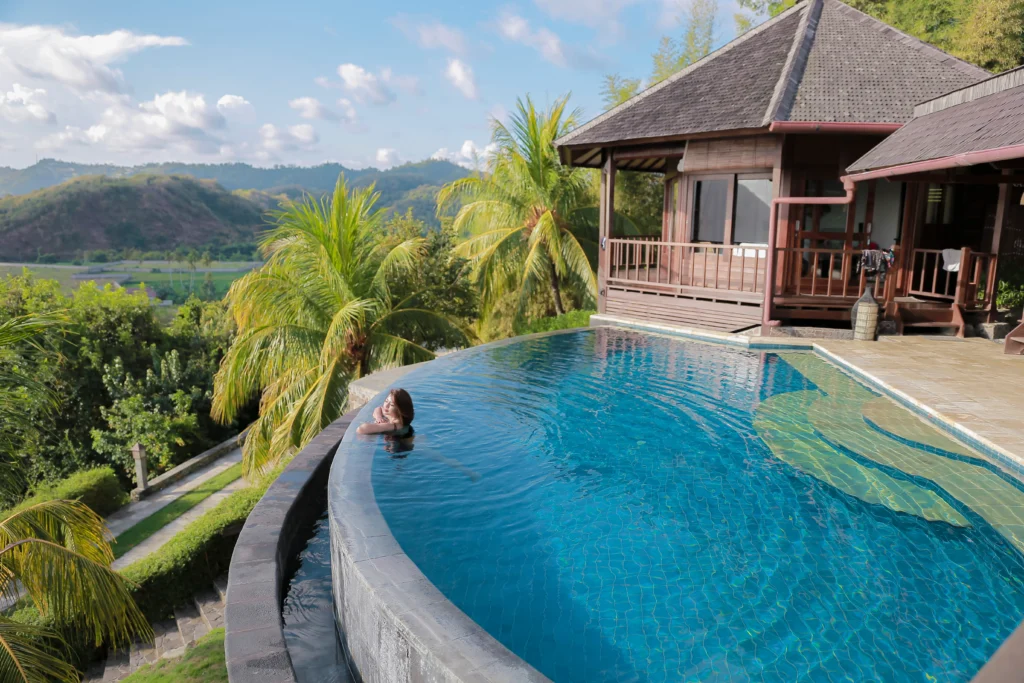
Bali continues to attract foreign investors looking to enter the property market, especially in sectors such as villas, hospitality, and short-term rentals. With the island’s strong tourism industry and growing international demand, many foreigners see Bali as an attractive location for property-related business opportunities. However, property business regulations in Indonesia are very different compared to many other countries. Before starting a property business in Bali, it is important to understand the legal structure, licensing requirements, and operational rules that apply to foreign investors. This guide explains the basic things foreign investors should know before starting a property business in Bali in 2026. Is Bali Property Still a Good Investment in 2026? Despite changing global conditions, Bali continues to attract investors from around the world. Several factors continue to support Bali’s property market, including: Strong tourism demand Growth of remote workers and long-stay foreigners Increasing interest in villa rentals International lifestyle appeal For many investors, Bali offers not only business opportunities, but also long-term lifestyle value. However, proper legal planning and business structuring remain essential before entering the market. Can Foreigners Own Property Businesses in Bali? Yes, foreigners can legally operate a property-related business in Bali, but the business must be structured correctly according to Indonesian regulations. In most cases, foreign investors need to establish a PMA (Foreign-Owned Company) to legally conduct property business activities in Indonesia. A PMA allows foreigners to: Operate business activities legally Manage property-related operations Generate income in Indonesia Employ staff and run commercial activities Without a proper company structure, operating a property business in Bali can create legal and operational risks. Can Foreigners Buy Property in Bali Directly? One of the most common questions among foreign investors is whether foreigners can directly own property in Bali. In Indonesia, foreigners generally cannot own property under Hak Milik (Freehold Ownership/SHM), as this type of ownership is reserved only for Indonesian citizens. However, foreigners can still legally purchase property under their own name for personal residential use by using a different type of land right known as Hak Pakai (Right to Use). In this process, the property title must first be converted from Hak Milik (SHM) into Hak Pakai before it can be legally held by a foreigner. This option is commonly used by foreigners who want to live in Bali personally and do not intend to commercialize the property. On the other hand, if the property is intended for commercial purposes—such as villa rentals, hospitality businesses, or property resale activities—the business operation generally needs to be conducted under a PMA (Foreign-Owned Company) structure. Properties operated under a PMA are intended for commercial and business activities, meaning the property is used for purposes such as renting, hospitality operations, or other income-generating activities. Because Indonesian property regulations can be complex, understanding the correct ownership and business structure is very important before purchasing property in Bali. Why Property Should Be Under a PMA For foreigners running a commercial property business in Bali, the property operation should generally be managed under the PMA company structure. This is especially important for activities such as: Villa rentals Hospitality businesses Commercial accommodation operations Property management services Using a PMA structure helps ensure that the business activities remain compliant with Indonesian investment and licensing regulations. Planning to List Your Property on Airbnb? Many foreign investors in Bali plan to market their villas or properties through platforms such as Airbnb. However, operating short-term rentals commercially requires proper licensing. If you plan to list your property on Airbnb or similar booking platforms, your business generally needs to have an NIB (Business Identification Number). The NIB is an important business license issued through Indonesia’s business licensing system and is commonly required for operational and administrative purposes. Without proper licensing, operating short-term rental businesses may create compliance issues in the future. Important Things to Consider Before Starting Before investing in Bali property businesses, foreigners should carefully consider: The correct company structure Business licensing requirements Property zoning regulations Tax obligations Operational permits for short-term rentals Understanding these aspects early can help avoid legal complications and ensure smoother business operations. Common Mistakes Foreign Investors Make Some common mistakes include: Purchasing property without proper legal structure Operating Airbnb rentals without business licensing Using nominee arrangements without understanding the risks Assuming property regulations are the same as other countries Because Indonesian property and investment regulations can be complex, proper planning is essential. Why Bali Remains Attractive for Property Investors Despite the regulations, Bali remains one of the most attractive destinations for foreign property investors because of: Strong tourism demand Growing expat and remote-worker communities High interest in villa rentals and hospitality businesses Long-term lifestyle and investment appeal For many investors, Bali offers both business potential and lifestyle opportunities. Conclusion Starting a property business in Bali can offer exciting opportunities for foreign investors, but it is important to follow the correct legal and business procedures from the beginning. In general, foreigners need to establish a PMA company, and commercial property operations should be managed under this company structure. Additionally, businesses planning to operate short-term rentals through platforms such as Airbnb typically need an NIB and proper operational licensing. For professional guidance regarding PMA setup, visas, and business licensing in Bali, E-Visa Bali is ready to help you navigate the process smoothly and legally.