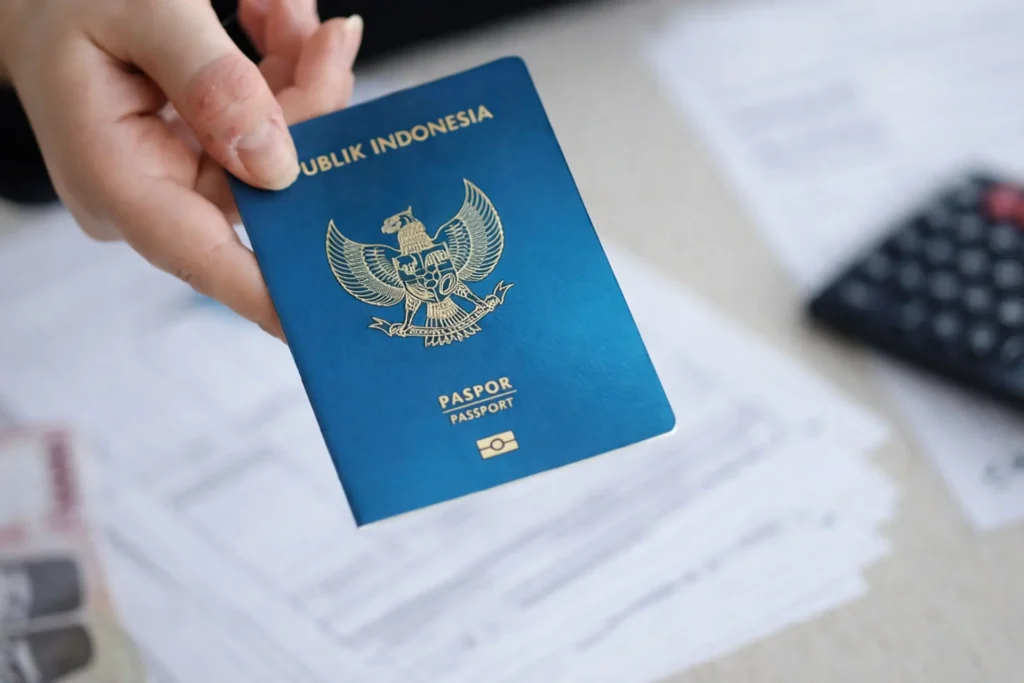
Many foreigners in Bali eventually face the same situation: their current visa is about to expire, but they want to switch to a different type of visa without leaving Indonesia.
This is where the Bridging Visa becomes an important solution.
Instead of doing a visa run or exiting the country, a Bridging Visa allows you to stay legally in Indonesia while transitioning from one visa to another. For many expats, remote workers, and long-term visitors, this option provides both convenience and flexibility.
What Is a Bridging Visa?
A Bridging Visa is a temporary stay permit that allows foreigners to remain in Indonesia while their new visa application is being processed.
In simple terms, it “bridges” the gap between:
- Your current visa (which is about to expire), and
- Your new visa (which is still in process)
This means you do not need to leave Indonesia during the transition period, as long as everything is handled correctly.
When Do You Need a Bridging Visa?
A Bridging Visa is typically used when you want to switch from one visa type to another without exiting Indonesia.
Common scenarios include:
- Switching from a tourist visa to a longer-term visa
- Transitioning to a business or stay permit
- Changing visa type while already in Bali
If your current visa is nearing expiry and your new visa is still being processed, a Bridging Visa can help maintain your legal stay.
How Does the Bridging Process Work?
The process generally involves several steps:
- Apply for a new visa before your current visa expires
- Request a Bridging Visa during the transition
- Stay legally in Indonesia while the new visa is processed
- Receive approval for your new visa
During this period, your stay remains legal as long as the bridging process is properly handled.
Important Things to Know
While a Bridging Visa is very useful, there are several important points to understand:
- It is only valid during the transition process
- You must apply before your current visa expires
- Activities must still follow visa regulations
- Not all visa types can be bridged or converted
In general, visas that can be processed through a Bridging Visa include VOA / e-VOA and KITAS (stay permits) that are being converted into another type of KITAS.
This means you may be able to stay in Indonesia while transitioning, for example:
- From VOA / e-VOA to a longer-term stay permit (KITAS)
- From one KITAS to another KITAS (such as changing purpose or sponsor)
However, not all visa types are eligible for bridging, and each case depends on the specific visa category and purpose of stay.
Because of this, proper planning and timing are essential to avoid complications during your stay.
Benefits of a Bridging Visa
Using a Bridging Visa offers several advantages:
- No need to leave Indonesia
- Saves time and travel costs
- Allows smooth visa transition
- Maintains legal stay without interruption
This makes it a practical option for foreigners planning to stay longer in Bali.
Common Mistakes to Avoid
Many people misunderstand how the Bridging Visa works.
Some common mistakes include:
- Applying too close to visa expiry
- Assuming all visas can be converted
- Not preparing documents in advance
- Thinking the process is automatic
These mistakes can lead to delays or even overstay issues if not handled properly.
Why Timing Is Critical
One of the most important factors in using a Bridging Visa is timing.
If you apply too late:
- Your current visa may expire before the process starts
- You risk being considered overstaying
- Additional penalties may apply
This is why it is strongly recommended to start the process well in advance.
Conclusion
The Bridging Visa is a practical solution for foreigners who want to switch visas without leaving Indonesia. It offers flexibility, convenience, and a way to maintain legal stay during the transition period.
However, the process must be handled carefully, especially when it comes to timing and choosing the correct visa pathway. To avoid risks, delays, or potential overstay issues, E-Visa Bali recommends starting your visa transition early and handling the process with professional assistance—so you can stay in Bali smoothly and without interruption.