Opening a Restaurant Business in Bali: Unlocking the Potential

The restaurant business in Bali has emerged as a vibrant and diverse culinary landscape, reflecting the island’s unique blend of culture, creativity, and natural beauty. With a plethora of dining options ranging from traditional Indonesian eateries to trendy international fusion establishments, Bali’s restaurant scene is an enticing fusion of flavors, atmospheres, and experiences. In this article, , we will explore the various aspects of opening and operating a restaurant in Bali, from the initial requirements and legal entities to the essential licenses and required documentation. Why Open a Restaurant Business in Bali? Bali’s magnetic allure isn’t limited to its natural beauty; it extends to its culinary scene. The island boasts a diverse and discerning international audience, creating a thriving market for restaurants of all types. Here are some compelling reasons to consider opening a restaurant in Bali: Read more article The Opportunites Opening a Restaurant in Bali Requirements for Setting up a Restaurant Business in Bali Starting a restaurant in Bali involves several key requirements. Let’s delve into these prerequisites: Legal Entities for a Restaurant Business in Bali The choice of legal entity for your restaurant business is a crucial decision that affects ownership, liability, and taxation. Here are the main options: Read more article The Best Coffee Shops in Bali: Discovering the Perfect Brew Licenses Required for a Restaurant Business To legally operate a restaurant in Bali, you need to obtain the following licenses: Required Documents for Restaurant License To obtain the necessary licenses, you will need to submit specific documents. These documents typically include: opening a restaurant business in Bali offers a wealth of opportunities, thanks to its thriving tourism industry, diverse culinary scene, and relatively affordable operational costs. By following the required steps and obtaining the necessary licenses and permits, you can embark on a successful culinary journey in this tropical paradise. With E-Visa Your Open Restaurant Business So Easy! If you’re considering opening a restaurant in Bali, be prepared to navigate the legal requirements, choose the right legal entity, and ensure your restaurant complies with health and safety standards. With the right preparation and a dash of creativity, your restaurant can thrive in this culinary paradise. E-VISA Bali, an established consultancy in Indonesia with over 12 years of expertise, offers a wide range of services to facilitate essential documents, such as residence permits, visas, tax paperwork, building permits, business licenses, and property legal consultations. For further information and expert assistance, don’t hesitate to get in touch with us at +(62)8 7788 5000 99 or email us at info@evisabali.com.
Exploring the Wonders of Garuda Wisnu Kencana in Bali

Garuda Wisnu Kencana (GWK), a majestic cultural park located in the heart of Bali, is a testament to Indonesia’s rich heritage and artistic prowess. This iconic landmark has become a symbol of the island’s cultural identity, drawing tourists and art enthusiasts from around the globe. In this article, we will delve into the intriguing history of Garuda Wisnu Kencana, uncover 10 unique facts about this captivating site, discuss why it is an essential stop during your Bali vacation, and explore the costs associated with visiting this mesmerizing destination. The Historical Roots of Garuda Wisnu Kencana The story of Garuda Wisnu Kencana dates back to ancient Hindu mythology, where Lord Vishnu, the preserver of the universe, rode on the back of Garuda, a mythical bird-like creature. This divine partnership represents strength, freedom, and the triumph of good over evil. The idea to immortalize this divine collaboration in the form of a colossal statue was conceived in the 1980s, and it eventually led to the creation of the awe-inspiring Garuda Wisnu Kencana statue that stands proudly today. 10 Unique Facts About Garuda Wisnu Kencana Monumental Size: The Garuda Wisnu Kencana statue, when completed, will soar to a staggering height of 121 meters, making it one of the tallest statues in the world. Artistic Brilliance: Skilled artisans and craftsmen meticulously handcrafted the statue, showcasing Indonesia’s rich artistic traditions. Cultural Significance: The site not only houses the iconic statue of Lord Vishnu riding Garuda but also features various cultural performances, exhibitions, and art installations. Breathtaking Views: Visitors can enjoy panoramic views of Bali from the top of the statue, offering a unique perspective of the island’s natural beauty. Epic Events: Garuda Wisnu Kencana serves as a venue for grand events and cultural festivals, celebrating Indonesia’s diverse heritage and traditions. Exquisite Architecture: The park’s architecture is inspired by Hindu mythology and Balinese culture, creating a visually stunning and spiritually significant atmosphere. Lotus Pond: The park features a picturesque Lotus Pond, surrounded by stone-carved statues and lush greenery, providing a serene environment for visitors. Diverse Exhibitions: Garuda Wisnu Kencana hosts rotating exhibitions of contemporary and traditional Indonesian art, offering a glimpse into the country’s vibrant art scene. Cultural Performances: Visitors can enjoy captivating traditional Balinese dance performances, showcasing the island’s rich performing arts heritage. Spiritual Retreat: Many visitors find Garuda Wisnu Kencana to be a place of spiritual solace, offering tranquility and a connection to Bali’s cultural roots. Read more article Exploring Bali Mountains: A Journey to Nature’s Majesty Why Garuda Wisnu Kencana Is a Must-Visit Destination in Bali When planning your Bali vacation, a visit to Garuda Wisnu Kencana is an absolute must for several compelling reasons. Firstly, it provides a unique opportunity to immerse yourself in Indonesia’s rich cultural heritage, allowing you to appreciate the country’s artistic brilliance and spiritual traditions. Secondly, the breathtaking views from the top of the statue offer a mesmerizing perspective of Bali’s natural wonders, making it a paradise for photography enthusiasts and nature lovers. Additionally, GWK serves as a hub for cultural performances and exhibitions, allowing you to witness the vibrant traditions of Bali come to life. Whether you’re interested in traditional dance, contemporary art, or spiritual exploration, this cultural park has something for every visitor. Read more article Exploring the Thrills of Water Sports in Bali Planning Your Visit: Ticket Prices and More Now that you’re eager to experience the wonders of GWK, let’s discuss the practicalities of your visit. The park offers various ticket options, catering to different preferences and budgets. Standard admission tickets are reasonably priced, making it accessible for travelers of all backgrounds. Additionally, there are guided tour options available, allowing you to gain in-depth insights into the historical and cultural significance of the site. It’s advisable to check the official GWK website for the most up-to-date ticket prices and any ongoing promotions. By planning your visit in advance, you can make the most of your experience and ensure a seamless exploration of this captivating cultural park. Let’s Holiday in Bali and Visit Garuda Wisnu Kencana (GWK) GWK stands as a testament to Indonesia’s cultural richness and artistic excellence. By visiting this iconic site, you not only delve into the heart of Balinese heritage but also create memories that will last a lifetime. So, when you embark on your Bali adventure, make sure to include Garuda Wisnu Kencana in your itinerary, and prepare to be enchanted by the majesty of this extraordinary cultural landmark. E-VISA Bali, a well-established Indonesian consulting firm with over 12 years of expertise, offers essential document processing services. From residence permits, VISAs, and tax documents to business licenses, building permits, and property legal consulting, we’ve assisted over 200 satisfied clients (both corporate and personal) with more than 3,000 completed applications. Simplify and expedite your document-related tasks – reach out to us at +(62)8 7788 5000 99 or info@evisabali.com for further information.
Exploring Bali Mountains: A Journey to Nature’s Majesty

Bali mountains, with their awe-inspiring grandeur and mystic allure, beckon travelers from all corners of the globe to explore their pristine beauty. These towering emblems of nature’s magnificence, shrouded in lush tropical forests and enigmatic mists, have long been integral to Bali’s cultural tapestry. The Bali mountains, including the majestic Mount Agung and the serene Mount Batur, offer a visual feast of breathtaking landscapes and a rich tapestry of spiritual significance and adventure waiting to be unraveled. Join us on an enchanting journey through Bali’s mountainscapes and discover the secrets hidden in their verdant peaks. The Best 10 Bali Mountains You Must Visit Mount Agung: The Majestic Peak Mount Agung, Bali’s highest peak, stands tall and proud, inviting travelers to witness its breathtaking sunrise views. Its allure lies not just in its height but also in its spiritual significance for the Balinese people. Many adventurers and pilgrims embark on the challenging journey to its summit, seeking a connection with nature and the divine. Mount Batur: A Volcanic Wonder Nestled in the heart of Bali, Mount Batur is an active volcano surrounded by a serene lake. The trek to its summit is popular among hikers, offering panoramic views of the island and the surrounding ocean. Watching the sunrise from Mount Batur is a magical experience, making it a favorite spot for both locals and tourists alike. Mount Abang: The Hidden Gem Less frequented by tourists, Mount Abang offers a tranquil escape from the hustle and bustle of Bali’s tourist hotspots. Its lush forests and diverse wildlife make it an ideal destination for eco-conscious travelers. The challenging trek to its peak is rewarded with sweeping views of Bali’s northern coastline, leaving adventurers in awe of its untouched beauty. Mount Catur: Where Myth Meets Reality Mount Catur is steeped in Balinese mythology, believed to be the abode of the gods. Surrounded by lush forests and ancient temples, this mountain offers a unique blend of culture and natural beauty. Exploring Mount Catur allows visitors to delve into the island’s rich history while immersing themselves in the serenity of its surroundings. Mount Batukaru: The Sacred Sanctuary Regarded as Bali’s second-highest peak, Mount Batukaru is a sacred site for the Balinese people. The mountain is enveloped in misty clouds and lush jungles, creating an ethereal atmosphere. Its challenging trails lead adventurers through dense forests, where they can encounter unique flora and fauna, making it a haven for nature lovers and hikers seeking a sense of spiritual connection. Mount Abang: A Naturalist’s Delight Mount Abang, situated in the northeastern part of Bali, is a paradise for nature enthusiasts. Its diverse ecosystems, including rainforests, savannas, and coral reefs, host a wide array of plant and animal species. Exploring Mount Abang offers a chance to witness Bali’s rich biodiversity and engage in eco-friendly activities, making it an ideal destination for environmentally conscious travelers. Mount Seraya: Off the Beaten Path For those seeking a less crowded mountain experience, Mount Seraya provides a peaceful retreat away from the tourist crowds. Its relatively untouched trails lead adventurers through dense forests and charming villages, allowing them to immerse themselves in the local way of life. The mountain’s serene ambiance and panoramic views make it a hidden gem waiting to be discovered. Mount Merbuk: A Birdwatcher’s Paradise Mount Merbuk, located in Bali’s western region, is a haven for birdwatchers and wildlife enthusiasts. The mountain’s diverse avian population includes both native and migratory species, making it a paradise for birdwatching enthusiasts. Exploring Mount Merbuk offers a unique opportunity to observe these magnificent creatures in their natural habitat, providing a memorable and educational experience for nature lovers. Mount Lesung: A Thrill Seeker’s Haven Mount Lesung, known for its challenging terrain and steep cliffs, is a paradise for adrenaline junkies and thrill-seekers. Rock climbing and rappelling opportunities abound, providing adventurous travelers with an exhilarating experience against the backdrop of Bali’s natural beauty. While the climb requires proper preparation and skills, the sense of achievement and the awe-inspiring views from the top make it a must-visit for adventure enthusiasts. Why Bali Mountains Should Be Visited The Bali mountains offer more than just scenic beauty. They provide a unique opportunity to connect with nature, immerse oneself in Balinese culture, and embark on exciting adventures. Each mountain has its own story to tell and experiences to offer, making it a treasure trove for travelers seeking authentic and unforgettable moments. Why Bali Mountains Attract Local and Foreign Tourists Bali mountains attract both local and foreign tourists due to their diverse offerings. For locals, these mountains hold cultural and spiritual significance, making them popular pilgrimage sites. Foreign tourists are drawn to Bali’s mountains because of the opportunity to engage in outdoor activities, witness breathtaking landscapes, and explore the island’s rich biodiversity. The sense of adventure, coupled with the chance to experience the island’s natural beauty, makes Bali’s mountains a magnet for travelers from around the world. What are the Preparations Before Exploring the Bali Mountains Before embarking on a Bali mountain adventure, it is essential to make necessary preparations to ensure a safe and enjoyable experience. Here are some tips to consider: Physical Fitness: Ensure you are physically fit for the trekking level of your chosen mountain. Regular exercise and stamina-building activities can prepare you for the challenging trails. Appropriate Gear: Invest in proper hiking gear, including sturdy hiking boots, weather-appropriate clothing, a lightweight backpack, and essential camping equipment if planning an overnight stay. Local Guides: Consider hiring a local guide who knows the terrain well. They can provide valuable insights, ensure your safety, and enhance your overall experience. Permits and Regulations: Check if permits are required for your chosen mountain. Respect local regulations and guidelines to preserve the environment and respect local traditions. Weather Conditions: Be aware of the weather conditions during your visit. Bali’s mountains can experience sudden changes in weather, so it’s crucial to be prepared for rain or colder temperatures. Respect Nature: Leave no trace. Respect the environment, wildlife, and local communities. Carry your trash with you
Which is Better Freehold vs Leasehold in Bali?

Freehold vs Leasehold in Bali is a critical decision that anyone considering property investment in this tropical paradise must grapple with. Bali’s real estate market presents a unique choice between these two distinct property ownership models. Freehold, granting absolute ownership, stands in contrast to Leasehold, where property rights are held for a fixed term. This article delves into the intricacies of Freehold vs Leasehold in Bali, shedding light on the legal aspects, benefits, and potential drawbacks of each. Whether you’re an investor, expatriate, or simply intrigued by Bali’s real estate market, this comprehensive guide will help you navigate your property ownership choices with confidence. What is Freehold Property? Freehold property, often referred to as fee-simple property, represents the highest form of property ownership. When you own a freehold property, you have absolute ownership of the land and any structures on it, with no time constraints. This means that you can hold the property indefinitely and pass it on to your heirs. It’s essentially the closest you can get to owning land outright. What Is Leasehold Property? Leasehold property, on the other hand, is a different concept. When you opt for Leasehold ownership in Bali, you essentially purchase the right to use and occupy the property for a specified period. This period can vary but is typically around 25 to 30 years, with the possibility of extending the lease. However, it’s essential to understand that at the end of the lease term, ownership reverts to the landowner, which could be the government or another entity. Freehold vs Leasehold in Bali: Which is Better? The choice between freehold and leasehold in Bali depends on your individual preferences and investment goals. Freehold properties offer the advantage of long-term ownership and the potential for capital appreciation. They are particularly appealing to individuals seeking a secure and stable investment in Bali’s booming real estate market. On the other hand, leasehold properties can be a more suitable option for those looking for a shorter-term investment or those with budget constraints, as they generally require a lower initial investment. Differences Between Freehold and Leasehold in Bali Ownership Duration: Freehold: Indefinite ownership. Leasehold: Limited ownership period specified in the lease agreement. Investment Stability: Freehold: Offers long-term stability and potential for higher returns. Leasehold: Limited stability due to the finite lease period. Resale Value: Freehold: Generally has a higher resale value due to perpetual ownership rights. Leasehold: Resale value may decrease as the lease expiry date approaches. Flexibility: Freehold: Offers complete freedom to renovate, lease, or sell the property. Leasehold: Limited flexibility, as major modifications may require the landowner’s approval 2 / 2 Freehold vs Leasehold Property in Bali: Making the Right Choice When it comes to investing in property in Bali, one of the crucial decisions you have to make is whether to opt for a freehold or a leasehold property. Understanding the difference between these two types of property ownership is essential to make an informed decision that aligns with your needs and preferences. In this comprehensive guide, we will delve deep into what freehold and leasehold properties entail, particularly in the context of Bali. By the end of this article, you will have a clear understanding of the advantages of both, allowing you to make a choice that suits your investment goals. What is Freehold Property? Freehold property refers to complete ownership of the land and any improvements on it. When you own a freehold property, you have indefinite and exclusive rights to use, enjoy, and sell the property. This form of ownership provides the owner with the highest level of control and freedom over the property. In the context of Bali, owning a freehold property means that you have full ownership of the land and the buildings on it, making it a valuable and long-term investment. What is Leasehold Property? Leasehold property, on the other hand, grants the right to use and occupy the property for a specific period, as stated in the lease agreement. In Bali, leasehold properties often come with long-term leases, ranging from 20 to 70 years. While leasehold properties can be more affordable upfront, they come with the limitation of ownership duration. After the lease period expires, the ownership reverts back to the landowner, unless a renewal agreement is negotiated. Freehold vs Leasehold in Bali: Which is Better? The choice between freehold and leasehold in Bali depends on your individual preferences and investment goals. Freehold properties offer the advantage of long-term ownership and the potential for capital appreciation. They are particularly appealing to individuals seeking a secure and stable investment in Bali’s booming real estate market. On the other hand, leasehold properties can be a more suitable option for those looking for a shorter-term investment or those with budget constraints, as they generally require a lower initial investment. Differences Between Freehold vs Leasehold in Bali Ownership Duration: Freehold: Indefinite ownership. Leasehold: Limited ownership period specified in the lease agreement. Investment Stability: Freehold: Offers long-term stability and potential for higher returns. Leasehold: Limited stability due to the finite lease period. Resale Value: Freehold: Generally has a higher resale value due to perpetual ownership rights. Leasehold: Resale value may decrease as the lease expiry date approaches. Flexibility: Freehold: Offers complete freedom to renovate, lease, or sell the property. Leasehold: Limited flexibility, as major modifications may require the landowner’s approval. Advantages of Freehold vs Leasehold in Bali Advantages of Freehold: Long-term Investment: Freehold properties are a secure long-term investment, providing stability and potential for substantial appreciation over time. Full Control: Owners have complete control over the property, allowing them to make modifications and decisions without external approval. Legacy: Freehold properties can be passed down to heirs, creating a lasting legacy for future generations. Advantages of Leasehold: Affordability: Leasehold properties often require a lower initial investment, making them more accessible to a broader range of investors. Lower Risk: Leasehold properties typically involve less risk, especially for shorter lease periods, as the investment is for a fixed duration Trusted Legal Property Consultation Services? E-Visa Bali
Retirement Planning Tips: Securing Your Financial Future

Retirement planning tips are invaluable in securing your financial future and ensuring a comfortable retirement. As we journey through life, the prospect of retirement can be both exciting and daunting. However, with the right retirement planning tips, you can transform your golden years into relaxation and financial security. These tips encompass many strategies, from understanding your retirement goals and risk tolerance to budgeting effectively, saving diligently, and making sound investments. By adhering to these retirement planning tips, you’ll be better equipped to navigate the complex world of retirement finance, allowing you to cherish your later years with peace of mind. What is Retirement Planning? Retirement planning is the process of setting financial goals and strategies to ensure a secure and fulfilling retirement. It involves estimating the cost of living during retirement and creating a financial plan to achieve those goals. Here, we will discuss how to calculate the expenses you might incur during your golden years. How Much Money Do You Need for Retirement? One of the fundamental questions people have is, “How much money do I need for retirement?” The answer varies from person to person, depending on their lifestyle and goals. However, as a general guideline, financial advisors often recommend having enough savings to replace 70-80% of your pre-retirement income. To determine your specific needs, follow these steps: Evaluate Your Current Expenses: Start by understanding your current spending habits. Categorize your expenses into essentials (e.g., housing, food, healthcare) and non-essentials (e.g., entertainment, dining out). Estimate Future Expenses: Consider how your expenses might change in retirement. You may have fewer work-related costs, but healthcare expenses may increase. Don’t forget to account for inflation. Calculate Social Security Benefits: Find out how much you can expect to receive from Social Security, as it will likely be a part of your retirement income. Set Financial Goals: Determine your retirement goals, whether it’s traveling, pursuing hobbies, or simply enjoying a comfortable life at home. Create a Budget: With all this information, create a budget that estimates your retirement expenses. This will give you a clear idea of how much money you need to save. Read more article Bali Culture & Lifestyle A Colorful Journey The 10 Retirement Planning Tips Now that we’ve discussed the fundamental aspects of retirement planning let’s delve into the 10 retirement planning tips that can help you secure a comfortable retirement. Start Early: One of the most significant advantages of retirement planning is time. The sooner you start saving for retirement, the more your money can grow through compounding interest. Even small, consistent contributions can lead to substantial savings over time. Contribute to Retirement Accounts: Maximize your contributions to retirement accounts such as 401(k)s and IRAs. Take advantage of employer matches and tax benefits that these accounts offer. Diversify Your Investments: Spread your investments across various asset classes like stocks, bonds, and real estate. Diversification can help manage risk and potentially increase returns. Monitor Your Investments: Regularly review your investment portfolio and make adjustments as needed to align with your retirement goals and risk tolerance. Reduce Debt: Paying off high-interest debts, such as credit cards, should be a priority. Reducing debt can free up more money for retirement savings. Create an Emergency Fund: Have a separate emergency fund to cover unexpected expenses, so you don’t need to dip into your retirement savings. Consider Healthcare Costs: Factor in potential healthcare costs during retirement, including insurance and out-of-pocket expenses. Plan for Longevity: With advancements in healthcare, people are living longer. Plan for a retirement that may last several decades. Seek Professional Advice: Consult with a financial advisor to create a personalized retirement plan that suits your unique situation and goals. Enjoy Your Retirement: Lastly, remember that retirement is about enjoying life. While financial security is essential, don’t forget to plan for the activities and experiences that will make your retirement fulfilling. Read more article Best Places to Retire in Indonesia & Cost of Living Additional Retirement Planning Tips In addition to the 10 key retirement planning tips mentioned above, here are some additional tips to enhance your retirement preparation: Stay Informed: Keep yourself informed about changes in retirement laws, investment strategies, and economic conditions. Consider Downsizing: As you get closer to retirement, think about downsizing your home to reduce living expenses and free up extra cash. Plan for Taxes: Understand the tax implications of your retirement savings and withdrawals. Tax-efficient strategies can make your savings go further. Seek Advice: Don’t hesitate to consult with professionals when necessary. A financial advisor or tax expert can provide valuable guidance. Plan Your Retirement with E-Visa Bali! Retirement planning is a lifelong journey that requires diligence and informed decision-making. By understanding your financial needs, following the ten retirement planning tips, and considering additional strategies, you can work towards a comfortable and secure retirement. Remember, it’s never too early to start planning for your future. Start today, and your older self will thank you for it. If you have any questions or need further guidance on retirement planning, consult a financial advisor to create a personalized plan tailored to your specific needs and goals. Your golden years should be filled with joy and peace of mind, and careful planning is the key to achieving that dream. Planning your retirement in Indonesia? Look no further! E-Visa Bali, with over 12 years of experience and 2000+ satisfied clients, is your trusted partner for obtaining building permits, residency approvals, and more. Whether you’re a tourist or local, we’ve got you covered. Contact us now at info@evisabali.com or call us at +62877 88 5000 99. Let us make your retirement dreams in Indonesia a reality!
Exploring the Thrills of Water Sports in Bali

Water sports in Bali offer an exciting adventure that captivates the attention of tourists, enticing them to dive into the thrilling world of water sports. The clean and turquoise waters are appealing to water sports enthusiasts in Bali, be they local or tourists, for activities such as surfing, snorkeling, and other water sports that are too good to miss. This time, E-Visa Bali will take you to discover which water sports in Bali are enticing and worth trying during your vacation in Bali. Why Water Sports in Bali is a Must-Try #1. Tropical Paradise Bali is synonymous with paradise, and its beaches are nothing short of spectacular. The pristine, sun-kissed shores and turquoise waters provide an ideal setting for various water-based adventures. Whether you’re a seasoned water sports enthusiast or a novice, Bali’s natural beauty will leave you awe-struck. #2. Ideal Climate Bali boasts a year-round tropical climate with warm temperatures and gentle sea breezes. This climate ensures that you can enjoy water sports at any time of the year. The warm waters of the Indian Ocean make it a comfortable and enjoyable experience for all. #3. Diverse Water Sports Activities Bali offers a diverse range of water sports activities that cater to all levels of adventurers. From adrenaline-pumping options to more relaxed and family-friendly activities, there’s something for everyone. Let’s explore some of the most popular water sports in Bali. The 10 Water Sports in Bali You Try It Now, let’s dive into the top ten water sports activities you can enjoy in Bali: Surfing: Bali is a renowned surfing destination with world-class breaks. Kuta Beach and Uluwatu are popular spots for both beginners and experienced surfers. Snorkeling: Explore Bali’s vibrant underwater world and discover colorful coral reefs and an array of marine life. Scuba Diving: For a more immersive underwater experience, scuba diving is a must. Sites like Tulamben and Nusa Penida offer spectacular dive opportunities. Parasailing: Soar high above the sea as you’re harnessed to a parachute and pulled by a speedboat. The views from above are simply breathtaking. Jet Skiing: Enjoy the rush of speeding across the water on a jet ski. Many beaches in Bali offer jet ski rentals. White Water Rafting: Inland, you can experience the thrill of white water rafting in Bali’s lush rivers. Ayung River and Telaga Waja River are popular choices. Flyboarding: Strap on a flyboard and feel like Iron Man as you hover above the water. This futuristic water sport is an adrenaline rush. Wakeboarding: Conquer the waves while being towed behind a boat. Wakeboarding is a favorite among water sports enthusiasts. Kite Surfing: Bali’s consistent winds make it an excellent location for kite surfing. You’ll be amazed at the stunts and tricks you can perform. Stand-up paddleboarding: For a more serene water activity, try stand-up paddleboarding. It’s a great way to explore calm bays and lagoons. Read more article 10 New Bali: Explore Indonesia’s Hidden Gems Tips Before You Go Water Sports in Bali Before embarking on your water sports adventure in Bali, consider the following tips: Safety First: Always prioritize safety. Wear a life jacket, follow instructions from your guides, and be aware of your surroundings. Check the Weather: Bali’s weather can be unpredictable. Check the weather forecast before heading out for your water sports activities. Choose Reputable Providers: Opt for established and reputable water sports operators with trained staff and well-maintained equipment. Stay Hydrated: The tropical climate can be dehydrating. Bring water to stay hydrated throughout your adventure. Respect the Environment: Protect Bali’s natural beauty by not littering and respecting local marine life and ecosystems. Read more Must-Know Top 10 Best Snorkeling in Bali! Simplify Your Bali Vacation with E-Visa Bali Water sports in Bali offer an unforgettable experience for all levels of enthusiasts. Whether you seek adventure or tranquility, Bali’s diverse range of water sports activities has something for everyone. Just remember to stay safe, respect the environment, and savor every moment of your aquatic adventures in this tropical paradise. Bali truly is a water sports lover’s dream. If you’re dreaming of a memorable vacation in Indonesia, especially on the enchanting island of Bali, E-Visa Bali is here to make your journey seamless. Let us handle your visa requirements, ensuring a hassle-free experience, so you can relish thrilling water sports in Bali with pure joy and tranquility, surrounded by your loved ones. Contact us now via email at info@evisabali.com or call us at +62877 88 5000 99 to embark on your Bali adventure with ease.
All About Indonesia Golden Visa You Should Know

Indonesia has taken a significant leap forward by introducing the Indonesia Golden Visa program, an initiative designed to attract high-caliber foreign nationals who can contribute to the nation’s economic growth, both as individual investors and corporate players. This remarkable immigration program finds its roots in the Ministry of Law and Human Rights Regulation (Permenkumham) Number 22 of 2023, governing Visas and Residence Permits. Underpinning this visionary move is the Ministry of Finance Regulation Number 82 of 2023, enacted on August 30, 2023, solidifying the program. In accordance with OECD’s definition, a Golden Visa represents a residency or citizenship arrangement granted through substantial investments What is the Indonesia Golden Visa? The Indonesia Golden Visa is a specialized visa program designed to facilitate foreign investors, retirees, and professionals to live and work in Indonesia. It is a strategic move by the Indonesian government to attract foreign capital, and expertise, and boost economic development. What are the Countries that Offer Golden Visas? Indonesia is one of many countries to implement the Golden Visa program. Similar policies have already been implemented in various developed countries, including: United States Canada United Arab Emirates Ireland Germany New Zealand Italy Spain. Countries that have this visa policy have experienced positive impacts. For example, Denmark excels in innovation, and the United Arab Emirates has become a preferred destination for foreign investors. Moreover, in 2018, Transparency International conducted a study. It is estimated that between 2008 and 2018, the European Union received approximately EUR 25 billion (IDR 407 trillion) in Foreign Direct Investment (FDI) due to implementing the visa schemes in its member countries. Read more article Sponsorship Letter for Visa: What You Need to Know Benefits of Indonesia Golden Visa Residency: The Golden Visa allows you to reside in Indonesia, making it a popular choice for retirees seeking an exotic and affordable destination to enjoy their golden years. Investment Opportunities: Holders of the Golden Visa have the opportunity to invest in various sectors of the Indonesian economy, including real estate, tourism, and startups. Business Expansion: Foreign entrepreneurs can expand their business interests in Indonesia, tapping into the vast market potential of the nation. Education: Access to world-class education for your children is another advantage, with Indonesia being home to several prestigious international schools. Cultural Experience: Immerse yourself in the rich Indonesian culture and explore the beautiful landscapes while residing in this diverse archipelago. Read more article Second Home Visa Indonesia: Unlocking the Door to a Tropical Paradise Eligibility for Foreign Nationals Foreign nationals who wish to obtain the Indonesia Golden Visa must fulfill certain conditions, which include: Financial Criteria: Applicants are required to invest a minimum amount, which can vary based on the type of visa they are seeking. Background Check: A clean background, free from any criminal records, is essential. Health Insurance: Health insurance coverage is often mandatory to ensure that the visa holder can cover their healthcare costs while residing in Indonesia. Investment Plan: Applicants must present a clear investment plan, specifying how they intend to contribute to Indonesia’s economic development. Implementation of Indonesia Golden Visa The implementation of the Indonesia Golden Visa program is managed by the Indonesian Immigration authorities, in coordination with other relevant government agencies. The program has been streamlined to offer a hassle-free experience for eligible applicants. The following steps outline the typical process: Application: Applicants must submit their application, including all required documentation, to the Indonesian Immigration authorities. Review: The authorities will review the application and conduct background checks, including verifying the financial capacity of the applicant. Visa Issuance: Once the application is approved, the Indonesia Golden Visa is issued, allowing the holder to reside in the country. Compliance: Visa holders must adhere to the visa conditions, including any investment commitments. Renewal: Visa renewal is possible, allowing for a more extended stay in Indonesia. Get Your Easy Golden Visa with E-Visa Bali Indonesia’s Golden Visa program presents a golden opportunity for foreign investors, retirees, and professionals looking to experience the charm of the archipelago while contributing to its growth. The program’s benefits, policies, and eligibility criteria are carefully designed to encourage foreign nationals to call Indonesia home, fostering economic development and cultural exchange. For detailed information and guidance on the Indonesia Golden Visa program, it’s recommended to consult with the Indonesian Immigration authorities or seek assistance from reputable immigration experts. Make the most of this opportunity to experience the magic of Indonesia while making a meaningful impact on its vibrant economy. With over 12 years of extensive expertise and a track record of more than 2000 satisfied clients, E-Visa Bali is your trusted partner for all your essential document needs. We offer services for residence permits, visas, tax documents, building permits, business licenses, and legal property consultation. Contact us today via email at info@evisabali.com or give us a call at +62877 88 5000 99. Don’t miss out on the opportunity to streamline your document processes and experience unparalleled service.
10 New Bali: Explore Indonesia’s Hidden Gems
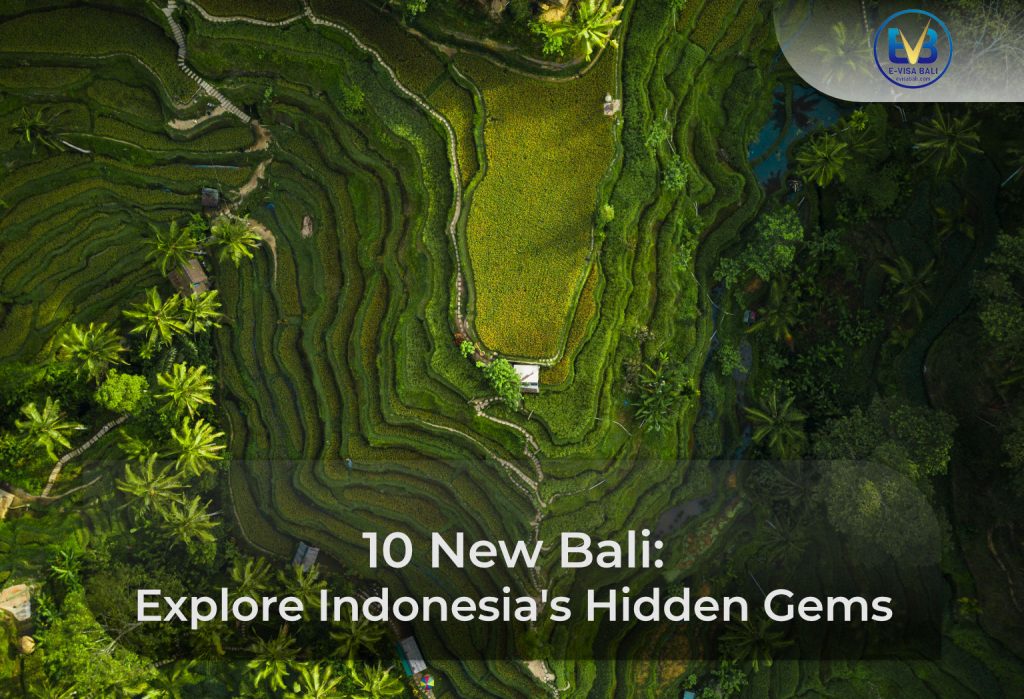
10 New Bali is a tourism development project prioritized by the Indonesian government to attract more foreigners to visit the largest archipelagic country in the world. Until now, Bali is still at the forefront thanks to its success in the tourism sector. The success of Bali tourism is an example of the community’s readiness to accept foreigners, infrastructure, lodging facilities, fluency in foreign languages, hospitality, provision of clean water, telecommunications networks, maintaining strong customs and culture, and others that make the Indonesian government want to create this 10 new Bali project. By not eliminating the characteristics, culture, tourist attractions, and history, the Indonesian government wants to promote several popular destinations in Indonesia that are included in the 10 new Bali projects so that they can be known. Therefore, EVisa Bali has summarized the 10 new Bali projects campaigned by the Indonesian Ministry of Tourism, which you can use as a reference for your next holiday destination. 10 New Bali Destinations You Must Visit These are the best-kept 10 new Bali destinations that promise unforgettable experiences. Whether you’re an avid traveler or seeking a tranquil escape, these extraordinary places will leave you in awe. #1. Lombok Mandalika – Paradise on Earth So, the first of the 10 new Bali is Lombok Mandalika, an enchanting paradise for beach lovers. With clean, white sandy beaches and crystal clear seawater, Lombok Mandalika offers an escape from the hustle and bustle of city life. It is located right next to Bali and is also a concern for surfers and tropical paradise seekers, especially those who want to avoid the crowds in Bali. Lombok Mandalika is the leading priority destination for the 10 new Bali because the 2021 MotoGP will be held in the area. #2. Borobudur Temple – A Spiritual Journey Next, the 10 new Bali is the largest Buddhist temple in the world, namely Borobudur Temple. Borobudur Temple has attracted visitors from all over the world because of its beauty and historical value. Built in the 9th century, this great temple was discovered in 1814 by Stamford Raffles under the British government. Borobudur Temple is the 10 new Bali because when you climb the terrace, this temple offers a spiritual atmosphere and intricate stone carvings. Borobudur Temple is also a UNESCO World Heritage site. #3. Lake Toba – Nature’s Tranquility Lake Toba ranks number three in the 10 new Bali projects. Toba is the largest volcanic lake in Southeast Asia, formed from a powerful eruption 10,000 years ago. This lake has a beautiful panorama with green hills and blue lake water. Lake Toba has great natural potential and is still trying to become part of The Global Geoprak Network. Not only that, this lake also has unique characteristics, namely culinary delights that pamper the taste buds, exciting bentor rides and a unique culture. The inclusion of Lake Toba in the 10 new Bali is due to the government making Lake Toba one of the national and international tourist destinations and targeting one million foreigners to visit this lake in 2019. #4. Tanjung Lesung – Waterfront Paradise Tanjung Lesung Beach is included in the 10 new Bali project. The shape of this beach is almost similar to the tip of a dimple because the beach’s edge island juts out into the sea and is sprinkled with white sand. This beach also offers an underwater natural charm that is no less beautiful. Usually, beach visitors do snorkeling, banana boating, diving, mini golf, fishing, and many more. Being a paradise destination that cannot be missed, tourists who visit this beach can enjoy the seafood available along the coastline. Visitors can also watch fire dance and martial arts performances by local people in this beach area. Tourists can also enjoy the beautiful sunset when visiting Tanjung Lesung Beach. The government included Tanjung Lesung Beach in the new 10 Bali project to increase foreign tourist visits and also planned to upgrade the Serang – Panimbangan toll road to the installation of electricity and clean water. Like Lake Toba, the government has made Tanjung Lesung Beach a “One Stop Service” and is targeting one visitor, both local and foreign, in 2019. #5. The Thousand Islands – Marine Wonderland Just a short boat ride from Jakarta, The Thousand Islands offer a quick escape from the city’s hustle and bustle. These islands are a haven for water sports, fishing, and relaxation. Explore the coral reefs, swim with tropical fish, or unwind on the pristine beaches. #6. Tanjung Kelayang Beach – Hidden Paradise Tanjung Kelayang Beach, located on Belitung Island, is known for its unique granite rock formations. The juxtaposition of these giant boulders against the turquoise sea creates a picturesque scene perfect for photography enthusiasts. #7. Mount Bromo – Volcanic Majesty Adventure seekers will find Mount Bromo to be an exciting challenge. This active volcano in East Java is a popular destination for hiking and witnessing breathtaking sunrise views. The trek to the summit is a memorable experience for any nature lover. #8. Labuan Bajo – Gateway to Komodo Labuan Bajo, situated in Flores, is the gateway to the stunning Komodo National Park. Explore the park’s unique flora and fauna, including the famous Komodo dragons. It’s a paradise for wildlife enthusiasts and divers. #9. Wakatobi – Underwater Paradise Wakatobi is an archipelago in Southeast Sulawesi, known for its world-class diving spots and pristine coral reefs. Dive into the crystal-clear waters and discover a vibrant underwater world. #10. Morotai Island – Tropical Escape Last but not least, Morotai Island offers a tranquil retreat for those seeking solitude and natural beauty. Its secluded beaches and lush landscapes make it the ideal destination for a peaceful getaway. EVisa Bali — Your New Bali Adventure Awaits! Indonesia’s 10 New Bali destinations offer diverse experiences, from cultural immersion to adventurous escapades. Whether you’re drawn to the serene beauty of Lake Toba or the adrenaline rush of Mount Bromo, there’s something for every traveler. Are you ready to explore these 10 new Bali? Don’t miss out on
Best Places to Retire in Indonesia & Cost of Living
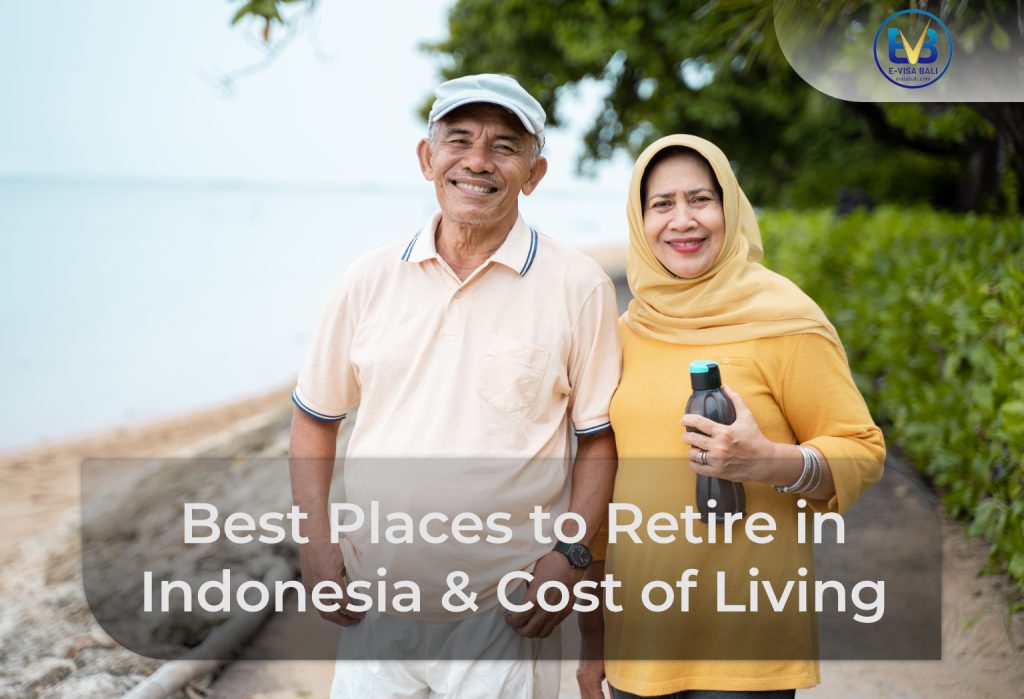
Best places to retire in Indonesia is a good choice! have you decided on the best place to retire? If not, Indonesia is the best place to retire. Indonesia, with its natural beauty, rich culture, and affordable cost of living, is an attractive option for many people who want to spend their retirement. This time, EVisa Bali will summarize the best places to retire in Indonesia. We will take you to explore the best places to retire in Indonesia that can be a reference to spend your retirement and how much it costs to live. Why Indonesia is the Best Places to Retire? Have you ever wondered why Indonesia is the best places to retire? Because of its diverse culture and friendly people, Indonesia has become a popular choice for retirees worldwide. Not only that, Indonesia also offers a tropical paradise that is a feast for your eyes, as well as green rice fields, cool air, and nature’s serene atmosphere. In addition, its historical heritage and affordable cost of living make it even more famous for anyone who wants to spend their old age. 5 Best Places to Retire in Indonesia Here are some of the best places to retire in Indonesia to reference before deciding on your retirement: #1. Bali: Retirement Paradise on the Island of the Gods The Island of the Gods, aka Bali, is the best places to retire in Indonesia. Bali is the best place to retire, as many foreign retirees want a relaxing and exotic lifestyle. Bali is famous for its beautiful beaches, year-round torpid weather, and various recreational activities. Bali offers multiple living options, from bustling beaches like Kuta to quiet villages like Ubud. The cost of living in Bali is very affordable, especially outside the more crowded tourist areas. #2. Yogyakarta: City of Culture and History The second best places to retire in Indonesia is Yogyakarta. Yogyakarta is the cultural and historical center of Central Java. It is famous for its magnificent palaces, historic temples, and traditional performing arts like shadow puppetry. Yogyakarta is the best places to retire in Indonesia because the city offers affordable living and many comfortable living options. In addition, its strategic location makes it easy for you to access various tourist attractions in Central Java. #4. Lombok: A Tranquil Alternative to Bali The following best places to retire in Indonesia is Lombok. Lombok is Bali’s eastern neighbor, offering similar charm at more affordable prices. Lombok is an alternative for retirees seeking the best places to retire in Indonesia besides Bali. This island is known for its beautiful beaches, such as Kuta Beach and Senggigi Beach, and there is also Mount Rinjani which is challenging for hiking lovers. Lombok also has a rich Sasak culture and unique traditions. With a very lower cost of living than Bali, Lombok is an attractive alternative for those who want to live a quiet life on a tropical island #5. Bandung: Creative City in the Mountains of West Java Next, there is Bandung, the best places to retire in Indonesia. Bandung is the right choice for those of you looking for a more relaxed atmosphere. Apart from that, the people in the city of Bandung are known to be friendly and polite and this area, which is nicknamed the Flower City, is also known as a creative city because there are various art galleries, exciting cafes, and cultural activities. The cost of living in Bandung is also very affordable, so it is not surprising that many retirees choose the city of Bandung as the best place to retire in Indonesia. How Much Does it Cost Places to Retire in Indonesia? Now that we’ve explored some of best places to retire in Indonesia, let’s delve into the cost of living. Indonesia is known for its affordability, but it’s essential to understand the expenses associated with retirement in this beautiful country. Housing The cost of housing in Indonesia varies depending on the city and the type of accommodation you choose. In popular tourist areas like Bali, you can find a one-bedroom apartment for as low as IDR 2,500,000 per month. You might pay around IDR 3,500,000 monthly if you prefer a more luxurious villa. Housing costs can be even lower in smaller cities like Yogyakarta or Bandung. Food and Dining Indonesia is a food lover’s paradise, and eating out is delicious and affordable. You can enjoy a meal at a local warung (small eatery) for as little as IDR 20,000. Even dining in mid-range restaurants won’t break the bank, with meals costing around IDR 50,000 – 100,000 per person. Transportation Public transportation in Indonesia is reasonably priced, making it easy to get around. A one-way ticket on local transport typically costs around IDR 30,000. If you prefer using ride-sharing apps, a short trip with Grab or Gojek will cost you a few rupiah. Healthcare Healthcare in Indonesia is generally affordable, especially when compared to Western countries. Many hospitals offer international-standard care at a fraction of the cost. Health insurance is also reasonably priced, with plans to suit various budgets. Entertainment and Activities Indonesia offers various activities, from exploring natural wonders to immersing yourself in its vibrant culture. Many activities, such as visiting temples or enjoying nature, are either free or have a nominal entrance fee. Overall, you can have an active and fulfilling retirement in Indonesia without spending a fortune. Want to Spend Your Retire in Indonesia? EVisa Bali is the Solution! Retire in Indonesia can be a dream for those seeking an affordable yet beautiful and culturally rich destination. With various options for retirees and a reasonable cost of living, remember that the cost of living can vary based on your lifestyle choices and the city you choose. Doing thorough research and considering your budget when planning your retirement in Indonesia is essential. EVisa Bali has more than 12 years of experience in consulting and document facilitation services, serving various needs, including visa applications, residence permits, tax documentation, building permits, and more in
Internship in Bali — Opportunities Awaits!

Are you interested or preparing for an internship in Bali? Speaking of internship in Bali, many tourists and locals want to intern in Bali, and this is because there are many benefits that you will get if you do an internship in Bali. Bali, a tropical paradise, is famous for its beautiful beaches and unique culture and is a popular tourist destination as well as a growing center for internships. If you are interested in interning in Bali, you will get hands-on experience in hospitality, startup companies, social work, and fashion, leading to your career path. This time, EVisa Bali will discuss the benefits you will get if you intern in Bali. 4 Opportunities Internship in Bali #1. Hospitality Internships in Bali Bali’s booming tourism industry provides a perfect backdrop for individuals seeking internship experiences in hospitality. From world-class resorts to boutique hotels and charming beachfront cafes, Bali offers a diverse range of hospitality businesses where you can gain hands-on experience. These internship can cover various aspects, including front desk operations, food and beverage management, event planning, and guest relations. A hospitality internship in Bali provides valuable industry exposure and offers a chance to immerse yourself in the island’s unique culture and hospitality traditions. Working closely with the locals and international visitors will enhance your communication and interpersonal skills, which are invaluable in the hospitality sector. #2. Start-up Internships in Bali Bali has recently emerged as a hub for startups and entrepreneurial endeavors. If you have a passion for innovation and want to be part of the dynamic startup ecosystem, consider pursuing an internship in Bali’s burgeoning tech and startup scene. You’ll find opportunities in digital marketing, software development, e-commerce, and sustainability initiatives. Internship in Bali at startup offers a unique chance to witness firsthand how small ideas can grow into global success stories. The collaborative atmosphere and exposure to diverse projects will hone your problem-solving abilities and entrepreneurial spirit. #3. Social Work and Volunteering Internships Bali’s enchanting beauty often conceals the socio-economic challenges faced by some of its communities. If you have a heart for social work and a desire to make a positive impact, Bali provides various avenues for volunteering and internships in NGOs and community development projects. By engaging in social work and volunteering initiatives, you can contribute to improving the lives of residents and gaining a deeper understanding of Bali’s cultural and social fabric. This experience can be profoundly rewarding, nurturing your compassion and empathy while making a difference in the lives of others. #4. Fashion and Textiles Internships Bali’s artistic flair extends beyond its natural beauty, making it an ideal destination for fashion and textile enthusiasts. The island is famous for its unique blend of traditional craftsmanship and contemporary design. As an intern in this field, you can collaborate with local artisans, designers, and fashion entrepreneurs. Internship in Bali fashion and textiles industry will expose you to diverse creative processes, from fabric sourcing to garment production and marketing. You’ll learn about the fusion of cultural elements in fashion and gain insights into sustainable fashion practices, a growing trend in the industry. EVisa Bali — The Trusted Consultant Business & Visa in Bali Bali offers a plethora of internship opportunities across various fields. Whether you’re interested in hospitality, startups, social work/volunteering, or fashion/textiles, this tropical paradise provides a unique backdrop for personal and professional growth. To make the most of your internship in Bali, network, immerse yourself in the local culture, and embrace the diverse opportunities this enchanting island offers. Bali isn’t just a destination; it’s a stepping stone to a brighter future in your chosen field. Before embarking on your internship journey in Bali, it’s crucial to ensure that your visa requirements are met. The EVisa Bali is a reliable and convenient option for foreigners planning to intern in Bali. It simplifies the visa application process, making your stay in Bali hassle-free. Additionally, having a trustworthy Business Consultant Service in Bali can be a valuable asset, especially if you plan to explore business opportunities or startup ventures during or after your internship. These consultants can provide legal advice, assist with business registrations, and offer valuable insights into the local market.