Pre-Investment Visa Guide

Bali continues to attract foreign investors from around the world, not only for its tourism appeal but also for its growing business opportunities across various sectors. From hospitality and real estate to creative industries and wellness businesses, many foreigners are exploring Bali as their next investment destination. However, before making any financial commitment, it is important to understand the legal way to explore business opportunities in Indonesia. This is where the Pre-Investment Visa becomes highly relevant. The Pre-Investment Visa allows foreigners to enter Indonesia and conduct business-related research and preparation legally—without immediately setting up a company or making an investment. What Is a Pre-Investment Visa? The Pre-Investment Visa is a type of visa designed for foreign nationals who want to explore business or investment opportunities in Indonesia. This visa allows you to: It is important to note that this visa is strictly for pre-investment activities, meaning you are not allowed to generate income or actively run a business in Indonesia under this visa. Who Should Apply for a Pre-Investment Visa? This visa is ideal for individuals who are still in the early stages of planning their investment. Common applicants include: If you are not yet ready to fully commit but want to explore opportunities legally, this visa is the right starting point. What Activities Are Allowed? With a Pre-Investment Visa, you can legally perform several important activities related to business exploration: However, you are not allowed to: Understanding these limitations is essential to stay compliant with Indonesian regulations. Benefits of the Pre-Investment Visa The Pre-Investment Visa offers several advantages for foreign investors: This visa provides a safe and structured way to start your investment journey in Indonesia. Requirements for a Pre-Investment Visa Before applying for a Pre-Investment Visa in Indonesia, it is important to prepare all required documents carefully. Having complete and accurate documentation will help ensure a smooth application process and reduce the risk of delays or rejection. The general requirements include: Ensuring that all documents are complete and properly prepared is essential for a successful application. How Much Does a Pre-Investment Visa Cost? The cost of a Pre-Investment Visa Indonesia depends on the service provider and level of assistance required. For a complete and hassle-free application, the fee is typically around IDR 9,250,000 (approximately USD $580–600 depending on the exchange rate). This fee typically includes: Using professional assistance can help ensure your application is handled correctly and efficiently. Application Process The application process generally involves several steps: Making sure each step is completed correctly is important to avoid delays. Common Mistakes to Avoid Many foreigners make mistakes when entering Indonesia for business purposes. Common mistakes include: Avoiding these mistakes will help ensure a smooth and legal experience. Conclusion Exploring investment opportunities in Bali requires proper planning and a clear understanding of visa regulations. The Pre-Investment Visa provides a legal and practical way for foreigners to conduct research, meet potential partners, and evaluate opportunities before making any major investment decisions. Choosing the right visa from the beginning can help reduce risks and ensure full compliance with Indonesian law. For professional guidance and reliable assistance, E-Visa Bali is ready to support you throughout the process—helping you navigate your investment journey in Indonesia with confidence and ease.
Bridging Visa Bali: Switch Visas Without Leaving
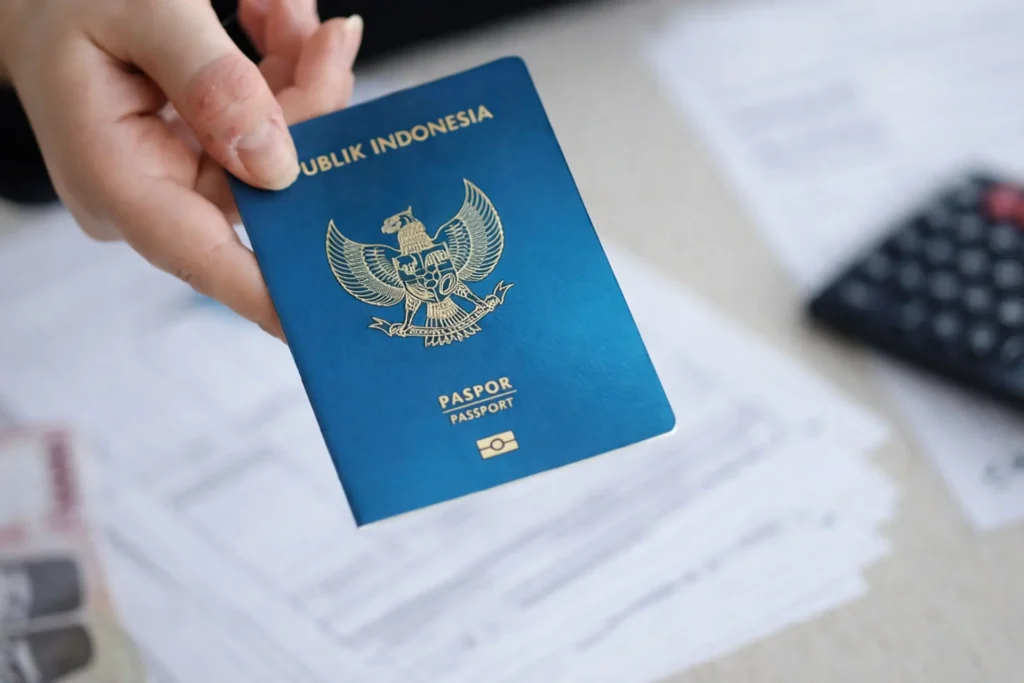
Many foreigners in Bali eventually face the same situation: their current visa is about to expire, but they want to switch to a different type of visa without leaving Indonesia. This is where the Bridging Visa becomes an important solution. Instead of doing a visa run or exiting the country, a Bridging Visa allows you to stay legally in Indonesia while transitioning from one visa to another. For many expats, remote workers, and long-term visitors, this option provides both convenience and flexibility. What Is a Bridging Visa? A Bridging Visa is a temporary stay permit that allows foreigners to remain in Indonesia while their new visa application is being processed. In simple terms, it “bridges” the gap between: This means you do not need to leave Indonesia during the transition period, as long as everything is handled correctly. When Do You Need a Bridging Visa? A Bridging Visa is typically used when you want to switch from one visa type to another without exiting Indonesia. Common scenarios include: If your current visa is nearing expiry and your new visa is still being processed, a Bridging Visa can help maintain your legal stay. How Does the Bridging Process Work? The process generally involves several steps: During this period, your stay remains legal as long as the bridging process is properly handled. Important Things to Know While a Bridging Visa is very useful, there are several important points to understand: In general, visas that can be processed through a Bridging Visa include VOA / e-VOA and KITAS (stay permits) that are being converted into another type of KITAS. This means you may be able to stay in Indonesia while transitioning, for example: However, not all visa types are eligible for bridging, and each case depends on the specific visa category and purpose of stay. Because of this, proper planning and timing are essential to avoid complications during your stay. Benefits of a Bridging Visa Using a Bridging Visa offers several advantages: This makes it a practical option for foreigners planning to stay longer in Bali. Common Mistakes to Avoid Many people misunderstand how the Bridging Visa works. Some common mistakes include: These mistakes can lead to delays or even overstay issues if not handled properly. Why Timing Is Critical One of the most important factors in using a Bridging Visa is timing. If you apply too late: This is why it is strongly recommended to start the process well in advance. Conclusion The Bridging Visa is a practical solution for foreigners who want to switch visas without leaving Indonesia. It offers flexibility, convenience, and a way to maintain legal stay during the transition period. However, the process must be handled carefully, especially when it comes to timing and choosing the correct visa pathway. To avoid risks, delays, or potential overstay issues, E-Visa Bali recommends starting your visa transition early and handling the process with professional assistance—so you can stay in Bali smoothly and without interruption.
Tourist Visa vs Business Visa Indonesia: What’s the Difference

Many foreigners planning to visit Indonesia—especially Bali—often get confused when choosing between a Tourist Visa and a Business Visa. At first glance, both visas may seem similar. However, they are designed for very different purposes, and using the wrong one can lead to serious issues, including fines or immigration problems. In this article, we will clearly explain the difference between a Tourist Visa and a Business Visa in Indonesia, so you can choose the right one based on your needs. What Is a Tourist Visa? A Tourist Visa is intended for foreigners who want to visit Indonesia for leisure and non-business purposes. This includes activities such as: The most common types of Tourist Visa include: It is important to understand that this visa is strictly for tourism purposes only. What Is a Business Visa? A Business Visa is designed for foreigners who need to visit Indonesia for business-related activities without working locally. This visa allows activities such as: However, a Business Visa does not allow you to earn income or work for an Indonesian company. Key Differences Between Tourist Visa and Business Visa Understanding the difference between these two visas is essential to avoid legal issues. Purpose Allowed Activities Working Permission Usage Risk Choosing the wrong visa can lead to complications during your stay. Can You Use a Tourist Visa for Business Activities? This is one of the most common mistakes. Many foreigners assume that attending meetings or discussing business casually is acceptable under a Tourist Visa. However, this is a risky assumption. Even though informal situations may seem harmless, conducting business activities under a Tourist Visa can be considered a violation of visa regulations. To stay safe, it is always recommended to use a Business Visa if your visit involves any form of business activity. Which Visa Should You Choose? Choosing between a Tourist Visa and a Business Visa depends entirely on your purpose of visit. You should choose a Tourist Visa if: You should choose a Business Visa if: If you are unsure, it is always better to choose the visa that aligns with your main activity to avoid any risks. Common Mistakes to Avoid Many foreigners make simple mistakes when choosing their visa: These mistakes can lead to unnecessary complications during your stay. Conclusion While a Tourist Visa and a Business Visa may look similar, they serve very different purposes in Indonesia. Choosing the correct visa is essential to ensure that your activities remain legal and your stay runs smoothly. If your trip involves any form of business activity, even at an early stage, it is always safer to use a Business Visa. For professional guidance and a hassle-free application process, E-Visa Bali is ready to help you choose the right visa and handle everything properly—so you can focus on enjoying your time or growing your opportunities in Indonesia.
Visa Expired in Bali: What Happens and How to Avoid It

Many travelers and expats visiting Bali are often too focused on enjoying their time on the island that they forget one important thing: their visa has an expiration date. As a result, cases of visa expiry in Indonesia still happen quite frequently. Overstaying your visa may seem like a small mistake, but it can lead to serious consequences, including fines and potential immigration issues. In this article, we will explain how visas can expire, what happens if you extend too late, and how to avoid these problems altogether. How Can Your Visa Expire? Many people assume they are safe as long as they have applied for an extension—but this is not always the case. A visa can expire not only because you forget the date, but also due to a misunderstanding of how the visa system works in Indonesia. Some common reasons include: What Happens If Your Visa Expires? If your visa has passed its validity period (overstay), you will be subject to penalties under Indonesian immigration regulations. The current overstay fine is IDR 1,000,000 per day (approximately USD $60–65 per day, depending on the exchange rate). Possible consequences include: What If You Apply for Extension Close to Expiry? This is one of the most common questions. Many people think: “If I apply before my visa expires, I should be fine, right?” The answer is: not necessarily. This happens because visa processing takes time, and your legal stay is still based on your current visa until the extension is officially approved. If you apply for a visa extension too close to the expiry date, there is a risk that: Why You Should Extend Your Visa Early To avoid these risks, it is highly recommended to apply for your visa extension well before the expiry date. Ideally, you should start the extension process several days before your visa expires—not at the last minute. Common Mistakes Foreigners Make Some of the most common mistakes can lead to avoidable penalties: How to Avoid Visa Expiry Issues Simple steps that can help you avoid major issues and stay safe during your time in Bali: Conclusion Visa expiry is one of the most common issues faced by foreigners in Bali, but it is also one of the easiest to avoid with proper planning. With an overstay fine of IDR 1,000,000 per day, even a short delay can quickly become costly. Applying for your visa extension at the right time is the key to maintaining a legal stay in Indonesia. To ensure a smooth and stress-free process, E-Visa Bali recommends handling your visa extension well in advance with professional assistance—so you can enjoy your time in Bali without any worries.
How to Stay in Bali Long-Term: Visa Options for Foreigners Explained

Bali has become one of the most desirable destinations for foreigners who want to stay longer than just a short holiday. With its tropical climate, vibrant culture, and strong international community, many visitors eventually decide to extend their stay or even relocate to the island. However, staying in Bali long-term requires proper planning. Foreigners must choose the right visa based on their purpose of stay, whether it is for remote work, family, or retirement. Entering Indonesia without understanding visa regulations can lead to unnecessary complications. This guide will help you understand the most relevant visa options for foreigners in Bali, so you can stay legally, comfortably, and without stress. Why Bali Is Popular for Long-Term Stay Bali is not only a travel destination—it has become a lifestyle choice for many foreigners. Some of the main reasons include: Because of these advantages, many foreigners look for ways to stay in Bali long-term rather than just visiting for a short period. Visa Options for Long-Term Stay in Bali Choosing the right visa is the most important step if you want to stay in Bali legally. Below are the most common visa options available for foreigners. 1. Tourist Visa (e-VOA) The e-VOA is the easiest visa to obtain when entering Bali. This visa is ideal for short-term visits. However, it is not designed for long-term stay. 2. C1 Visit Visa (Long Stay Visit Visa) The C1 Visa is one of the most commonly used options for foreigners who want to stay in Bali for several months. This visa offers flexibility for travelers who want to explore Bali longer without committing to a long-term residence permit. 3. Remote Worker Visa (E33G) The Remote Worker Visa is designed for digital nomads and remote professionals. This visa is ideal for foreigners who want to stay in Bali long-term while working remotely for overseas companies or clients. 4. Spouse Visa (Family KITAS) The Spouse Visa is intended for foreigners who are married to Indonesian citizens. This visa allows foreigners to live in Bali with their partner and build a stable life in Indonesia. 5. Ex-Indonesian Citizen Visa This visa is specifically designed for former Indonesian citizens and their descendants. It provides a legal pathway for those who want to return and stay in Indonesia more permanently. 6. Retirement Visa (ITAS) The Retirement Visa is ideal for foreigners who want to spend their retirement in Bali. This visa is popular among retirees who want to enjoy Bali’s relaxed environment. Which Bali Visa Is Right for You? Choosing the right visa depends on your situation. Here is a simple breakdown: Understanding your purpose will help you avoid choosing the wrong visa. Common Mistakes Foreigners Make Many foreigners make avoidable mistakes when planning their stay in Bali. Avoiding these mistakes is crucial to ensure a smooth and legal stay in Indonesia. How to Apply for a Bali Visa Applying for a visa generally involves several steps: Each visa has different requirements, so it is important to prepare everything carefully to avoid delays or rejection. Frequently Asked Questions About Staying in Bali Long-Term How long can foreigners stay in Bali? Foreigners can stay from 30 days up to several years, depending on the visa they choose. Short-term visas allow up to 60 days, while long-term visas can allow stays of 1 year or more. What is the best visa for long-term stay in Bali? The best visa depends on your purpose. For remote workers, the Remote Worker Visa (E33G) is ideal. For family purposes, the Spouse Visa is more suitable. For retirees, the Retirement Visa is recommended. Can I stay in Bali long-term with a tourist visa? A tourist visa is only suitable for short stays. It is not recommended for long-term living due to its limited duration and restrictions. Can foreigners live in Bali permanently? Foreigners cannot obtain permanent residency easily, but long-term visas allow them to stay for extended periods as long as they comply with immigration regulations. Conclusion Staying in Bali long-term is possible, but it requires choosing the right visa based on your purpose and lifestyle. With multiple visa options available, foreigners now have more flexibility to live, work remotely, or retire in Bali legally. Understanding the differences between each visa will help you avoid unnecessary risks and ensure a smooth stay in Indonesia. For professional guidance and assistance, E-Visa Bali is ready to help you choose the right visa and handle the entire application process efficiently and in full compliance with Indonesian regulations.
Do You Need a Sponsor for an Indonesian Visa? Explained for Foreigners (2026 Guide)

If you are planning to visit or stay in Indonesia, one of the most common questions is: do you need a sponsor for an Indonesian visa? The answer is not always the same. Some visa types require a local sponsor, while others allow you to apply independently. Understanding the difference between a visa with sponsor and visa without sponsor in Indonesia is essential to avoid mistakes and ensure your stay remains fully legal. In this guide, we will clearly explain how the Indonesian visa sponsorship system works and which visa options are available for foreigners. What Is a Visa Sponsor in Indonesia? A visa sponsor in Indonesia is an individual or entity responsible for supporting your visa application and, in some cases, your stay in the country. The sponsor can be: An Indonesian individual (such as a spouse) An Indonesian company In most cases, the sponsor is responsible for ensuring that the visa holder follows Indonesian immigration regulations and uses the visa according to its purpose. Do All Indonesian Visas Require a Sponsor? No, not all visas require a sponsor. In general, Indonesian visas can be divided into two main categories: Visa with sponsor Visa without sponsor Indonesia Understanding this difference is important when choosing the right visa for your stay. Visas That Require a Sponsor Some Indonesian visas require a sponsor because they are directly linked to specific activities such as employment, business, or family ties in Indonesia. In these cases, the sponsor plays an important legal and administrative role during the visa application process and throughout the foreigner’s stay. Common examples of visas that require a sponsor include: Business Visa (sponsored by an Indonesian company) Spouse Visa (sponsored by an Indonesian partner) Work-related permits (sponsored by an Indonesian company) Investor Visa (sponsored by a PMA company) Certain long-term stay permits These visas require a sponsor to provide supporting documents and act as a responsible party for the visa holder while they are in Indonesia. In most cases, the sponsor is also involved in ensuring that the foreigner’s activities match the purpose of the visa, whether it is for working, conducting business, or family-related stays. Because of this, choosing the right sponsor and visa type is essential to ensure full compliance with Indonesian immigration regulations and to avoid any legal issues during your stay. Visas Without Sponsor Indonesia If you are looking for a visa without sponsor in Indonesia, there are several options available depending on your purpose of stay. These visas are designed for foreigners who want flexibility and independence without being tied to a local sponsor. Free Visa (Visa Exemption) The Free Visa is available for certain nationalities visiting Indonesia for short stays. Valid for 30 days Not extendable Tourism purposes only This option is suitable for short visits but not for long-term stays. Visa on Arrival (VOA / e-VOA) The Visa on Arrival is one of the most popular visa without sponsor Indonesia options. Valid for 30 days Extendable once (total 60 days) Single entry It is suitable for tourism, short stays, and first-time visitors to Bali. Second Home Visa The Second Home Visa is a long-term visa without sponsor designed for financially independent foreigners. Valid for up to 5–10 years Multiple entry Requires proof of financial capability This visa is ideal for those who want to live in Indonesia long-term without working locally. Silver Hair Visa The Silver Hair Visa is designed for retirees who want to stay in Indonesia without a sponsor. Long-term stay permit No sponsor required Designed for retirees This visa offers a stable and comfortable lifestyle option in Bali. Why Do Some Visas Require a Sponsor? The Indonesian government uses the sponsorship system to regulate foreign nationals and their activities. A sponsor helps ensure: Clear purpose of stay Compliance with immigration rules Accountability during the stay This is especially important for work and family-related visas. Benefits of a Visa Without Sponsor Indonesia Choosing a visa without sponsor Indonesia offers several advantages: Easier and faster application process No dependency on a local sponsor More flexibility and independence Suitable for tourism, lifestyle, and retirement These benefits make it a popular choice for many foreigners. Limitations of Visa Without Sponsor While flexible, these visas also have limitations: Cannot work for Indonesian companies Activities must match visa purpose Some require strong financial proof Understanding these restrictions is essential to avoid legal issues. Common Mistakes Foreigners Make When dealing with visa sponsorship, common mistakes include: Assuming all visas require a sponsor Choosing the wrong visa type Misunderstanding visa limitations Engaging in activities not allowed by the visa Avoiding these mistakes will help ensure a smooth stay in Indonesia. Choosing the Right Visa Before applying, consider: Your purpose of stay Length of stay Whether you have a sponsor Your preferred level of flexibility Choosing the right visa from the beginning will save time and prevent complications. Frequently Asked Questions Do I need a sponsor for an Indonesian visa? Not always. Some visas require a sponsor, while others do not. What is the best visa without sponsor in Indonesia? It depends on your purpose. VOA is suitable for short stays, while Second Home Visa is ideal for long-term living. Can I stay long-term in Bali without a sponsor? Yes, certain visas such as Second Home Visa and Silver Hair Visa allow long-term stay without a sponsor. Can I work in Indonesia without a sponsor? No. Working for an Indonesian company always requires a sponsored permit. Conclusion Understanding whether you need a sponsor for an Indonesian visa is crucial before planning your stay. While some visas require sponsorship, many visa without sponsor Indonesia options are now available, offering greater flexibility for foreigners. Choosing the right visa will ensure that your stay in Indonesia is legal, smooth, and aligned with your goals. For professional assistance and expert guidance, E-Visa Bali is ready to help you choose the right visa and manage your application process efficiently.
Cost of Living in Bali for Expats (2026 Guide): Monthly Expenses Explained

Bali has long been known as one of the most attractive destinations for expatriates seeking a balance between quality of life and affordability. With its tropical climate, vibrant culture, and growing international community, many foreigners choose Bali not only as a travel destination but also as a place to live, work remotely, or even retire. Compared to many Western countries, the cost of living in Bali for expats remains relatively affordable. However, actual monthly expenses can vary depending on lifestyle, accommodation choices, and the area where you decide to live. Popular locations such as Canggu, Seminyak, or Ubud may have higher living costs compared to quieter areas of the island.In this guide, we will break down the typical cost of living in Bali in 2026, including housing, food, transportation, and daily expenses that expatriates should consider before moving to the island. Average Monthly Cost of Living in Bali For most foreigners, the cost of living in Bali for expats can range between USD $1,200 and $3,000 per month depending on lifestyle. Expats who prefer a modest lifestyle may spend less, while those renting private villas and frequently dining at international restaurants may spend more. Housing is usually the largest expense for expatriates living in Bali, often taking up nearly half of the monthly budget. Other major expenses include food, transportation, utilities, and lifestyle activities. Below is a general breakdown of the common monthly expenses for expats in Bali. 1. Rental Property Accommodation is typically the biggest expense for foreigners living in Bali. The cost of rent depends on the type of property, location, and rental duration. Typical monthly rental prices include: Areas like Canggu, Seminyak, and Uluwatu tend to be more expensive because of their popularity among tourists and expats. Meanwhile, areas such as Ubud or North Bali can offer more affordable housing options. Many expats also choose long-term contracts (6–12 months), which are usually cheaper than short-term rentals. 2. Utilities and Internet Utilities in Bali are generally affordable compared to many Western countries. Monthly expenses typically include electricity, water, and internet services. Average monthly utility costs: Overall, most expats spend around USD $80 – $150 per month on utilities depending on property size and air conditioning usage. 3. Food and Groceries Food expenses can vary significantly depending on whether you prefer local food or international dining. Typical food costs in Bali include: Many expatriates enjoy a mix of local and international cuisine, resulting in an average monthly food budget of around USD $250 – $500. 4. Transportation Transportation costs in Bali are relatively low. Most expats rely on scooters for daily transportation because they are affordable and convenient for navigating traffic. Typical transportation expenses include: While public transportation is limited, ride-hailing services and private drivers are widely available throughout the island. 5. Healthcare and Insurance Healthcare costs in Bali are generally lower compared to Western countries. Many expatriates choose private hospitals and international clinics for medical services. Typical healthcare costs include: Some expats also choose international insurance plans that provide access to global healthcare services and emergency evacuation if needed. 6. Lifestyle and Entertainment Lifestyle spending depends entirely on personal habits and interests. Bali offers a wide range of entertainment options, from yoga studios and beach clubs to cultural events and outdoor activities. Typical lifestyle expenses may include: The flexibility of lifestyle choices makes Bali appealing for many expatriates who want to enjoy a balanced and relaxed way of living. Best Areas to Live in Bali for Expats (2026) Choosing the right location is one of the most important decisions when planning living in Bali as an expat. Each area offers a different lifestyle and community environment. Canggu – Popular for Digital Nomads and Young Expats Canggu has become one of the most popular areas for expats, especially digital nomads and remote workers. The area is known for its trendy cafés, coworking spaces, beach clubs, and vibrant social life. While Canggu offers a lively atmosphere, the popularity of the area has also increased rental prices in recent years. Ubud – Nature, Culture, and Wellness Lifestyle Ubud is famous for its lush green landscapes, rice terraces, and strong cultural environment. Many expats living in Ubud prefer a slower pace of life and enjoy activities such as yoga, meditation, and wellness retreats. The area attracts both retirees and younger expats looking for a more peaceful lifestyle. Seminyak – Modern Lifestyle and Luxury Living Seminyak is one of the most developed areas in Bali and is known for its upscale restaurants, luxury villas, and modern lifestyle. Expats who prefer convenience and easy access to international services often choose this area. However, Seminyak is also one of the more expensive places to live on the island. Sanur – Quiet and Expat-Friendly Sanur is a well-established expat community known for its calm atmosphere and beachfront promenade. The area is particularly popular among retirees because of its relaxed lifestyle and easy access to hospitals, supermarkets, and restaurants. Uluwatu – Scenic and Peaceful Living Located on the southern cliffs of Bali, Uluwatu offers stunning ocean views and a quieter environment compared to the busier parts of the island. The area has grown increasingly popular among surfers and expats seeking a peaceful coastal lifestyle. Frequently Asked Questions About the Cost of Living in Bali Is Bali cheap for expats? Compared to many Western countries, the cost of living in Bali is relatively affordable. Many expatriates can live comfortably with a monthly budget between USD $1,500 and $2,500 depending on their lifestyle and housing choices. How much money do you need to live in Bali per month? A single expat can typically live in Bali with USD $1,200 to $2,500 per month. Those who prefer luxury villas and frequent dining out may spend closer to USD $3,000 or more. Is Bali cheaper than living in Europe or the United States? Yes. In most cases, Bali offers a significantly lower cost of living compared to major cities in Europe, the United States, or Australia. Housing, food, and
Working KITAS in Indonesia: Requirements, Process, and Legal Guidelines

Indonesia continues to attract foreign professionals who want to build careers, share expertise, and contribute to the development of local industries. As the economy grows and international collaboration becomes more common, many Indonesian companies seek skilled foreign workers to support business expansion and knowledge transfer. However, before a foreigner can legally work for an Indonesian company, they must obtain the appropriate stay permit. The permit required for this purpose is the Working ITAS (Limited Stay Permit), commonly known as a Working KITAS. This permit allows foreign nationals to live and work in Indonesia under the sponsorship of a registered Indonesian company. In this article, we will explain the key requirements, process, and legal guidelines related to obtaining a Working KITAS in Indonesia, helping foreign professionals better understand how to work legally and safely in the country. What Is a Working KITAS? Working ITAS is a stay permit officially issued by the Indonesian government to regulate foreign nationals who wish to work while living legally in Indonesia. This permit ensures that every foreign worker employed in Indonesia has gone through the proper procedures and complies with the regulations set by the government. Through a Working ITAS, foreign professionals are allowed to reside and carry out their professional activities in Indonesia for a specific period under the sponsorship of the Indonesian company that employs them. This system also helps the government monitor foreign employment activities to ensure they remain in line with Indonesian labor and immigration regulations. A Working ITAS is typically issued to foreign professionals who hold certain positions within a company operating in Indonesia. The permit ensures that the foreign employee’s stay and employment activities comply with Indonesian immigration and labor regulations. Without this type of permit, foreigners are not legally allowed to receive income from Indonesian companies or perform professional work within the country. Who Needs a Working KITAS? A Working KITAS (Working ITAS) is required for foreign nationals who plan to work or receive employment from a company operating in Indonesia. This permit ensures that their professional activities are conducted legally and in accordance with Indonesian immigration and labor regulations. Several categories of foreign professionals are typically required to obtain a Working KITAS, including: In general, any foreign national who receives employment or compensation from an Indonesian company is required to obtain the appropriate work permit and stay permit. This requirement ensures that their activities remain fully legal under Indonesian law while also allowing the government to properly regulate and supervise foreign employment within the country. Who Needs a Working KITAS? A Working KITAS (Working ITAS) is required for foreign nationals who plan to work or receive employment from a company operating in Indonesia. This permit ensures that their professional activities are conducted legally and in accordance with Indonesian immigration and labor regulations. Several categories of foreign professionals are typically required to obtain a Working KITAS, including: In general, any foreign national who receives employment or compensation from an Indonesian company is required to obtain the appropriate work permit and stay permit. This requirement ensures that their activities remain fully legal under Indonesian law while also allowing the government to properly regulate and supervise foreign employment within the country. Requirements for a Working KITAS Before applying for a Working KITAS in Indonesia, several important documents must be prepared to support the application process. These documents are required to verify the identity, qualifications, and eligibility of the foreign national who intends to work in Indonesia. Some of the common requirements include: It is important to note that additional documentation may be required depending on the industry, job position, and specific role of the foreign worker. Ensuring that all required documents are prepared correctly can help prevent delays during the application process and improve the chances of a successful Working KITAS approval. Employment Regulations for Foreign Workers in Indonesia Not all types of jobs in Indonesia can be filled by foreign workers. The Indonesian government has established regulations that limit certain positions to Indonesian citizens in order to protect local employment opportunities. These regulations aim to ensure that Indonesian workers continue to have fair access to job opportunities within their own country. At the same time, the presence of foreign professionals is expected to contribute positively to the development of local talent and industries. One of the key principles behind the employment of foreign workers is knowledge and skill transfer. Companies that hire foreign professionals are expected to help improve the capabilities of local employees by sharing expertise, experience, and professional skills. As part of the Working ITAS extension process, companies are required to prove that this knowledge transfer has taken place. This may include appointing an Indonesian employee to work closely with the foreign professional and learn from their expertise. In some cases, companies must also provide documentation or certification confirming that the skill transfer program has been implemented. This system helps ensure that foreign expertise contributes to the long-term development of Indonesia’s workforce. The Process of Applying for a Working KITAS Applying for a Working KITAS in Indonesia involves several administrative steps carried out by both the sponsoring company and the foreign applicant. The process generally includes: This process requires coordination between the sponsoring company, related ministries, and the Indonesian immigration office. During the application process, foreign nationals are not allowed to start working until the permit has been fully approved., visitors can watch the traditional Kecak dance performance in the evening. Just be mindful of the monkeys, as they are known to be quite playful. Benefits of Having a Working KITAS Having a Working KITAS provides several important advantages for foreign nationals who plan to work in Indonesia. Some of the key benefits include: How Professional Assistance Can Help Applying for a Working KITAS can sometimes feel complex, especially for companies who are handling the process for the first time. The application involves multiple administrative steps, coordination with several government authorities, and careful preparation of supporting documents. Working with a professional visa consultant can help simplify
5 Best Business Opportunities in Bali: A Guide for Investors

With a record-breaking 7.1 million international arrivals in 2025, Bali has officially moved beyond a simple post-pandemic “recovery” and into a high-growth era. Whether you are looking for long-term rental yields or a creative startup, the “Island of the Gods” offers some of the most lucrative ROI opportunities in Southeast Asia. However, the market is changing. It’s no longer just about “buying a villa”; it’s about building a business that follows the rules and can last. Here are the top business sectors to watch in Bali right now. 1. Property and Real Estate (The Top Performer) Property remains the “gold mine” of Bali. With land scarcity in hotspots like Canggu, Seminyak, and Uluwatu, property values continue to appreciate by 7–12% annually. 2. Experiential Food & Beverage The days of just “opening a kitchen” are over. In 2026, tourists and digital nomads want places that look good in photos and offer healthy, fresh food. 3. Creative Arts & Skill-Based Workshops Travelers now want more hands-on experiences than ever. They don’t just want to buy art; they want to create it themselves. 4. The Wellness & Fitness Boom Bali has become a world-famous place for health and wellness, similar to Los Angeles or Ibiza. This is much more than just massage shops. 5. Ethical Fashion & Handicrafts Bali’s craftspeople are famous worldwide. Starting a fashion brand here lets you use their skills and also sell your products to other countries. How to Start Your Bali Business While there is a lot of opportunity, Indonesia made its rules stricter in 2025 and 2026 to ensure all businesses are legitimate and comply with the law. 1. Market Research & Location Don’t just go where everyone else is going, like Canggu. Check the zoning rules (KKPR) for your land. Is it a “Tourism Zone” (Pink)? If not, you might not be allowed to run a rental business there. 2. Legal Setup (PT PMA) To own and operate a business as a foreigner, you typically need to establish a PT PMA (Foreign Investment Company). Pro Tip: Avoid “nominee” structures where you put a business in a local’s name. They are legally risky and progressively scrutinized by the Indonesian government. Conclusions: Work with a Professional: Starting a business in another country can be legally complicated. To protect your investment, always talk to a trusted business license consultant who knows the rules.
Travel to Bali: The Ultimate Guide for First-Time Visitors

For years, Bali has attracted millions of travelers looking for tropical beauty, culture, and remarkable experiences. From tropical beaches and breathtaking rice fields to firmly established traditions and warm local hospitality, Bali offers a unique experience hard to find anywhere else. It is not surprising that many first-time travelers to Bali end up returning and sometimes even decide to stay longer. If this is your first time planning to travel to Bali, you might have many questions. Where should you stay? When is the best time to visit? Do you need a visa? What should you prepare before arriving? In this ultimate Bali travel guide, we will walk you through everything you need to know before visiting Bali for the first time. Why Travel to Bali? There are many reasons why millions of travelers choose Bali every year.First, Bali offers beautiful beaches and tropical scenery. Whether you enjoy relaxing by the ocean, surfing the waves, or watching sunsets from a cliff, Bali has it all. Areas like Uluwatu, Seminyak, and Canggu are especially popular for their coastal charm. Second, Bali is rich in culture and traditions. Daily offerings, temple ceremonies, and traditional dances are still actively practiced by the local community. This cultural atmosphere makes visiting Bali feel more meaningful, not just like a typical beach holiday. Another reason why many people love traveling to Bali is the affordable luxury. Compared to many Western countries, you can enjoy private villas, spa treatments, and high-quality dining experiences at reasonable prices. Lastly, Bali is known for its friendly locals and English-speaking environment. Communication is generally easy, especially in tourist areas, making first-time visitors feel comfortable and welcome. Best Time to Travel to Bali Bali has two main seasons: the dry and rainy seasons. The dry season runs from April to October. This is generally considered the best time to visit Bali, especially for first-time travelers. The weather is mostly sunny, humidity levels are lower, and outdoor activities such as beach trips, hiking, and island hopping are more enjoyable and comfortable. The rainy season typically occurs from November to March. While there may be occasional heavy rain, it usually does not last all day. In many cases, the rain comes in short bursts, often in the late afternoon or evening. This season can also be less crowded and sometimes more affordable for accommodation. However, in recent years, Bali’s weather has become slightly more unpredictable. You might experience bright sunshine during the day, followed by heavy rain at night. Because of this, it is always a good idea to stay flexible with your plans and be prepared for sudden weather changes, regardless of the season. If you prefer stable sunny weather and a lively atmosphere, the dry season is ideal. If you prefer fewer tourists and better accommodation deals, the rainy season might suit you better. Entry Requirements for Visiting Bali Before you travel to Bali, make sure your passport is valid for at least six months from your arrival date. Most travelers are eligible for an E-VOA (Electronic Visa on Arrival), which allows a 30-day stay and can be extended once for another 30 days. However, please note that not all nationalities are eligible for the e-VOA. Some countries require a different type of visa before arrival. If you are unsure about your eligibility, feel free to contact us for more information. To apply for an e-VOA, you generally need to prepare the following documents: Immigration regulations may change from time to time, so it is always recommended to check the latest requirements before your trip to avoid unexpected issues upon arrival at the airport. Where to Stay in Bali for First-Time Visitors Choosing the right area can make a big difference for your first trip. Seminyak – Stylish and Central Seminyak is known for its beach clubs, stylish restaurants, and sunset spots. It is a great choice if you want to stay somewhere lively but still comfortable. Canggu – Trendy and Social Canggu attracts younger travelers and digital nomads. It is filled with cafes, coworking spaces, and surf spots. The atmosphere is energetic and modern. Ubud – Cultural and Peaceful If you prefer nature and culture, Ubud is the perfect choice. Surrounded by rice fields and temples, Ubud offers a slower and more peaceful experience. Nusa Dua – Relaxed and Resort-Oriented Nusa Dua is cleaner, more organized, and often chosen by families or travelers looking for a calm resort-style stay. Top Things to Do in Bali Visit Iconic Temples like Tanah Lot and Uluwatu Temple Tanah Lot is one of the most photographed temples in Bali. Located on a rock formation by the sea, it becomes especially beautiful during sunset when the sky turns orange and waves crash against the cliffs. Uluwatu Temple sits on a dramatic cliff overlooking the Indian Ocean. Besides the stunning views, visitors can watch the traditional Kecak dance performance in the evening. Just be mindful of the monkeys, as they are known to be quite playful. Explore the Rice Terraces in Ubud Ubud is famous for its lush green landscapes, especially the Tegallalang Rice Terraces. Walking through the rice fields offers a glimpse into Bali’s traditional Subak irrigation system. Beyond the terraces, Ubud also features art markets, yoga studios, and wellness centers that reflect Bali’s cultural side. Chase Waterfalls in North Bali North Bali is home to beautiful waterfalls such as Sekumpul and Gitgit. Reaching them may require a short trek, but the scenery and natural pools are worth the effort. This area is generally less crowded, making it perfect for nature lovers. Try Authentic Balinese Cuisine No trip to Bali is complete without tasting local dishes like Babi Guling, Ayam Betutu, and Nasi Campur. You can enjoy traditional warungs for a local experience or dine at modern restaurants offering contemporary Indonesian cuisine. Take a Day Trip to Nusa Penida Nusa Penida is known for its dramatic cliffs and crystal-clear waters. Kelingking Beach, often called “T-Rex Beach,” is one of Indonesia’s most iconic viewpoints. A day